

In today’s rapidly evolving automotive landscape, the role of an auto finance manager has emerged as crucial for both car buyers and dealerships alike. As the demand for specialized financial guidance increases, these professionals serve as essential intermediaries, ensuring that individual car buyers secure favorable financing options tailored to their needs. Auto finance managers not only streamline the purchasing process for consumers but also boost dealership sales by facilitating transparency and trust. Fleet buyers, too, benefit substantially, gaining access to lease options and financing strategies that maximize operational efficiency and minimize costs. Whether you’re seeking financial assistance as an individual buyer or looking to enhance your dealership’s performance, understanding how to become an auto finance manager can open doors to rewarding career prospects while elevating the overall purchasing experience in the automotive sector. Learn more about auto finance solutions here.
Required Qualifications for Auto Finance Manager
To become a proficient auto finance manager, a solid educational background and relevant certifications are paramount. Here are the qualifications typically required:
Educational Background
- Bachelor’s Degree: A bachelor’s degree is often the foundational requirement. Relevant fields of study include:
-
Finance
-
Business Administration
-
Accounting
These degrees provide essential knowledge of financial concepts, economic theories, and business operations, empowering candidates to manage auto financing effectively. According to sources like Indeed, formal education in these fields is crucial to understand complex financial transactions in the automotive sector.
- Finance Courses: Pursuing specific finance courses can significantly enhance one’s expertise. Courses focusing on:
- Auto financing options
- Risk management
- Loan processing and underwriting
These will improve one’s ability to navigate financial landscapes and offer valuable funding solutions to clients.
Certifications
Adding industry-recognized certifications can further boost the credibility of an auto finance manager. Certifications such as:
- Certified Financial Planner (CFP)
- Chartered Financial Analyst (CFA)
These credentials demonstrate a commitment to professional excellence and enhance trustworthiness in dealings with clients and auto dealerships, as noted by Learn.org.
Enhancing Credibility
Investing in education and certifications not only sharpens technical skills but also enhances an individual’s reputation in the automotive finance industry. A well-educated auto finance manager is more likely to earn the trust of customers, making them a competent advisor in guiding car buyers toward the best financial solutions. This credibility is paramount in establishing long-term relationships with clients and dealerships alike.
Essential Skills for an Auto Finance Manager
To excel as an auto finance manager, candidates should develop the following key skills:
- Analytical Skills: Ability to analyze financial data and assess various financing options to meet customer needs.
- Negotiation Skills: Proficiency in negotiating terms and conditions with lenders and customers to secure favorable deals.
- Customer Service: Strong customer service skills, ensuring transparency and support throughout the finance process.
- Attention to Detail: Meticulous attention to financial documents and compliance regulations to prevent errors and fraud.
- Communication Skills: Excellent verbal and written communication to effectively relay information to customers and colleagues.
- Leadership: Ability to lead and inspire a finance team while fostering a collaborative working environment.
These skills are crucial for success in managing financing processes effectively.
For more insights on managing finances in automotive contexts, feel free to learn more.
Average Salaries for Auto Finance Managers by Region
Understanding the geographical differences in salary for auto finance managers can help you make informed decisions about career progression in this field. Below is a comparative chart illustrating the average salaries for auto finance managers in different regions of the United States:
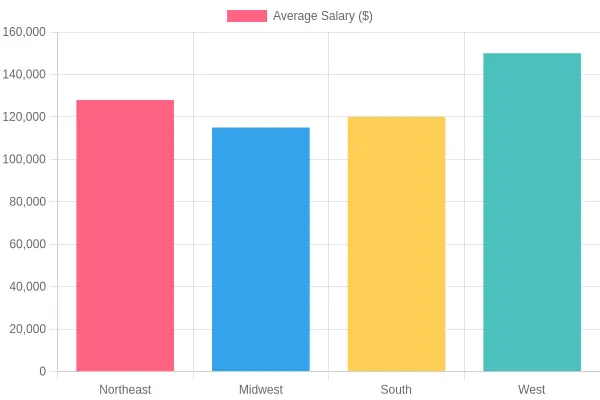
| Region | Average Salary ($) |
|---|---|
| Northeast | 128,000 |
| Midwest | 115,000 |
| South | 120,000 |
| West | 150,000 |
For additional insights on managing finances in the automotive industry, you can learn more about auto finance solutions.
These figures can vary based on the type of dealership and specific market conditions. Familiarizing yourself with these regional differences can enhance your negotiation strategies when considering employment offers.
Daily Responsibilities of an Auto Finance Manager
The role of an auto finance manager encompasses a broad spectrum of responsibilities that are crucial for both auto dealerships and individual buyers. These responsibilities ensure the smooth operation of financial transactions and help customers make informed decisions when purchasing vehicles. Here’s a detailed look at the daily duties of an auto finance manager and how they support the financial management process:
Key Duties
-
Assess Financial Needs: One of the primary tasks is to evaluate the financial situation of car buyers. This involves reviewing credit histories, income levels, and current debts, which allows the finance manager to determine the best financing options available. This assessment is vital in crafting tailored financing solutions for customers.
-
Present Finance Plans: After assessing a buyer’s needs, the finance manager presents different financing plans, including loans and leasing options. Here, the ability to articulate the benefits and drawbacks of each option is essential.
-
Negotiate with Lenders: A significant responsibility lies in establishing and maintaining relationships with multiple lenders to secure favorable interest rates. This is beneficial for the dealership and the buyers, as it allows them to offer competitive loan terms.
-
Sell Additional Products: Auto finance managers often sell credit insurance and service contracts. These products can provide peace of mind to buyers and contribute to the dealership’s revenue stream.
-
Manage Documentation: They also oversee the completion and organization of all paperwork related to the financing process, ensuring compliance with legal and regulatory standards.
Supporting Businesses and Buyers
Through these responsibilities, auto finance managers not only facilitate the sale of vehicles but also enhance customer satisfaction by providing comprehensive financial solutions that fit individual needs. By effectively managing finance options, they help dealerships close sales swiftly and enhance the buying experience for customers. For more insights on managing finance efficiently, check out this guide on financial management for first-time truck owners.
In conclusion, the role of an auto finance manager is critical in bridging the gap between auto dealerships and buyers, fostering a mutually beneficial relationship that contributes to the overall success of the automotive sales process.

An automotive finance manager plays a crucial role in an automotive dealership by providing car buyers with various financing options, interpreting interest rates, and working with different lending institutions to optimize sales. Their ability to effectively manage the financing process is critical not just for the customer’s experience but also for enhancing dealership profitability. This underscores the intricate responsibilities of auto finance managers and their impact on both customer satisfaction and dealership success.
Becoming an effective auto finance manager involves not only understanding financing options and products but also possessing exceptional communication skills to guide customers through complex decisions. Managers must stay informed about market trends to offer competitive rates and solutions, ensuring that they meet diverse customer needs.
Employing sound financial practices and demonstrating transparency in finance agreements ultimately leads to stronger customer relations and increased loyalty – essential components in today’s competitive automotive market.
Career Progression for Auto Finance Managers
Auto finance managers play a pivotal role in the automotive industry, providing essential financial services to dealerships and consumers. As professionals in this sector advance, they find diverse opportunities for career growth in auto finance. Such advancement is not only about climbing the corporate ladder but also about broadening their expertise and exploring various roles within the automotive landscape.
Diverse Opportunities for Advancement
One potential career path for auto finance managers is moving up within the dealership to higher strategic roles such as Chief Financial Officer (CFO) or General Manager . These positions allow individuals to drive financial strategies, oversee overall dealership operations, and lead teams to greater profitability. Moreover, their experience provides a strong foundation for transitioning into roles in corporate finance or integrating with related sectors like insurance and consumer finance.
Additionally, specialized positions within the automotive finance niche, such as Automotive Special Finance Manager , are in demand. These roles not only extend knowledge across financing options but also enhance negotiation skills with banks and lenders, broadening the manager’s professional repertoire. Indeed lists a number of positions reflecting the growing demand for finance professionals within automotive confines, showing that career trajectories are indeed expanding.
Transition to Other Roles
As the automotive industry evolves, auto finance managers can explore opportunities beyond traditional finance roles. For instance, they can pivot into areas such as operations management, strategic planning, or even sales roles, where their understanding of financing intricacies can yield significant competitive advantages. Notably, the recent push towards electric and alternative fuel vehicles has opened new avenues for financial consultant roles focusing on sustainability and green financing options in the auto industry.
Ultimately, the position of an auto finance manager serves as a robust stepping stone towards greater opportunities. As they cultivate their expertise and expand their network, they can significantly influence both their career trajectory and the evolving landscape of the automotive world. Thus, pursuing a career in auto finance not only ensures substantial advancement but also offers varied and fulfilling experiences along the way.
For further insight on how vehicles are financed, you might find value in our guide on financial implications of vehicle lifetimes.
Adoption of Auto Financing Options by Consumers in Recent Years
The auto financing landscape has undergone significant changes in recent years, particularly influenced by economic variables and consumer behavior. According to recent statistics, auto loan delinquency rates reached their highest level since 1994 in 2023, climbing to 2.24%. This rise in delinquencies can be attributed to high vehicle prices, increasing borrowing costs, and prevailing inflationary pressures affecting consumer budgets. In response to these challenges, many consumers are reconsidering their financing options, causing a noticeable shift in demands for auto finance managers to adapt their strategies accordingly.
Furthermore, the auto financing market has recently hit a 16-month low, reflecting a troubling 44% drop in car sales compared to the previous year. Such declines highlight the struggles within the auto lending sector amid economic uncertainties. As the consumer profile shifts, with 55% of high-debt consumers burdened by auto loans, auto finance managers are now tasked with assessing risk more effectively and providing tailored solutions that align with their clients’ financial situations.
This multifaceted landscape underscores the crucial role of auto finance managers in helping consumers navigate these challenging times while also adapting to ongoing changes in the market. They must incorporate comprehensive knowledge of available consumer financing options and stay abreast of new trends that could impact their clientele.

Auto Loan Delinquency Rate (30+ days) Overview
| Year | Auto Loan Delinquency Rate (30+ days) | Correlating Factors |
|---|---|---|
| 2023 | 2.24% | High vehicle prices, rising borrowing costs, inflation |
| 2024 | 1.90% (projected decline) | Expected economic improvement, stabilization of costs |
| 2025 | 1.41% (actual) | Continued decline as market stabilizes |
The evolving trends in auto financing options not only reflect the changing consumer behavior but also present opportunities for auto finance managers to equip their clients with effective financial strategies.
Conclusion
In summary, a career as an auto finance manager is both fulfilling and promising. The role offers significant financial rewards, with many professionals experiencing high income due to commission-based compensation and bonuses, as supported by discussions from resources such as Eat Healthy 365. However, it also presents its own set of challenges, including the pressure of meeting sales targets and managing customer relations effectively.
As the automotive market evolves-with 72% of buyers financing their purchases in 2023 and online research playing a crucial role in decision-making (Gitnux)-the demand for skilled auto finance managers will continue to grow. This career pathway not only promises professional growth but also the opportunity to impact customers’ car-buying experiences positively.
If you’re considering entering this rewarding field, don’t hesitate to explore resources that can help you along the way. And remember, for all your automotive needs, Summit Fairings is there to assist you, ensuring a smooth transition into the automotive world!