

Auto financing plays a crucial role in the journey of purchasing a vehicle, whether for personal use or as part of a business’s fleet. For individual car buyers, understanding the nuances of financing can significantly enhance their ability to make informed decisions, ultimately impacting their financial well-being and satisfaction with their vehicle choice. Meanwhile, small business fleet buyers must navigate the complexities of auto financing to ensure that their investments align with operational needs and budget constraints. Sound financial planning and access to reliable financing options are paramount, as they can facilitate smoother transactions and foster trust between buyers and lenders. Engaging with auto financing not only empowers individuals and businesses in their purchasing decisions but also establishes a foundation for responsible financial management. For those eager to explore tailored solutions, further insights can be gained through our resources on impactful financing strategies and effective management practices for fleet operations.
Understanding Credit Scores
Credit scores are a crucial component in the financing options available to individuals looking to purchase a vehicle. A higher credit score not only increases the likelihood of loan approval but also leads to more favorable interest rates, which can significantly reduce the overall cost of financing. Understanding the implications of credit scores can help car buyers make informed decisions when seeking auto loans.
Impact of Credit Scores on Financing Options
- Loan Approval: Lenders typically use credit scores to determine if an applicant qualifies for a loan. A lower credit score may result in automatic disqualification.
- Interest Rates: Borrowers with higher credit scores usually qualify for lower interest rates. For instance, individuals with credit scores above 700 can save thousands over the life of an auto loan compared to those with scores below 600, who might face rates significantly higher than average. This correlation highlights the importance of maintaining a good credit score to mitigate additional costs. Learn more about managing finance.
- Loan Terms: The terms of the loan, including length and total interest paid, can also be influenced by one’s credit score. Higher scores often allow for longer repayment periods or smaller payments without incurring high-interest charges.
Tips for Improving Credit Scores
Improving your credit score can open doors to better financing options. Here are some practical steps to enhance your creditworthiness:
- Pay Your Bills on Time: Consistent payment on all debts and bills is crucial for a good credit score. Consider setting up automatic payments to avoid missing due dates.
- Reduce Credit Utilization: Keeping your credit utilization ratio below 30% is advisable. This means only using a fraction of your available credit, which positively impacts your score.
- Increase Credit Limits: Increasing your available credit limit can help improve your credit utilization ratio. Just ensure any increases are followed by responsible spending habits.
- Check for Errors: Regularly review your credit report for inaccuracies. Disputing errors can result in significant score improvements.
- Multiple Payments: Make multiple payments throughout the month on your credit cards to lower your overall balance, thereby improving your credit utilization ratio.
By implementing these strategies, you can improve your credit score, ensuring access to better financing options when you are ready to purchase a vehicle. Explore additional financing solutions to secure the best rates possible.
| Financing Option | Key Features | Pros | Cons |
|---|---|---|---|
| Dealership Financing | Offers convenience, often with easy approval | Quick processing, potential for promotional rates | Higher interest rates, may pressure to buy |
| Bank Loans | Fixed interest rates, various terms available | Lower rates for good credit, structured repayment terms | Stricter approval process, longer paperwork |
| Credit Unions | Member-owned, often lower fees and rates | Competitive rates, personalized service | May require membership, limited loan amount flexibility |
| Online Lenders | Easy application process, often quick approval | Convenience, can compare multiple offers | May have higher fees, potentially variable rates |
Sources
- Bank vs. Dealership Car Financing
- Is It Better To Get a Car Loan From a Bank or a Dealer?
- Comparing Car Loan Options
- Tips For Choosing an Auto Loan Lender
- Auto Loan Guide: Compare Rates


Steps to Get Pre-Approved for Auto Financing
Obtaining pre-approval for auto financing is a crucial step in the car-buying process, offering you clarity on your budget and increasing your negotiating power with dealerships. Follow these steps to get pre-approved efficiently:
1. Review Your Credit Score
Before you apply for pre-approval, check your credit score. Most lenders require a good credit score (typically above 680) for favorable loan terms. If your score is lower, consider taking steps to improve it, such as paying off debts or correcting errors in your credit report.
2. Gather Required Documentation
Prepare the necessary documents for the pre-approval process, which may include:
- Proof of Identity: A valid driver’s license or state-issued ID.
- Proof of Income: Recent pay stubs, W-2s, or tax returns.
- Proof of Employment: A letter from your employer or recent employment verification documents.
- Insurance Information: Details about your insurance coverage, if you have it.
- Credit Information: Authorization for the lender to run a credit check.
3. Determine Your Budget
Establish a clear budget for your vehicle purchase.
- Consider factors such as monthly payments, interest rates, and the total car price.
- Use online calculators to estimate your potential monthly payments based on different loan amounts and terms.
Learn more about determining your budget here.
4. Approach Lenders
Contact multiple lenders to assess their pre-approval processes. You can approach:
- Banks
- Credit Unions
- Online lenders
- Dealership financing departments
Compare the terms offered, including interest rates and loan lengths.
5. Submit Your Application
Submit your pre-approval application, ensuring that you provide accurate and complete information. Some lenders may allow you to apply online, while others might require you to visit a branch.
6. Review Pre-Approval Offers
Once your application is processed, you will receive pre-approval offers. Review these carefully:
- Check the interest rates, loan terms, and any fees involved.
- Ensure you understand the total cost of financing before moving forward.
7. Maintain Documentation
Keep all documents organized and secure during this process. You’ll need them when you are ready to finalize the loan and purchase your vehicle.
Explore more on auto financing solutions here.
Conclusion
By following these steps, you can navigate the pre-approval process confidently, ensuring you’re well-prepared for your auto purchase. Obtaining pre-approval not only helps streamline your car-buying experience but also empowers you to make informed financial decisions.
Current Market Trends in Auto Financing
As we move into the latter part of 2023, the auto financing market is reflecting significant challenges that potential car buyers should be aware of. Below is a summary of the key trends and data that currently characterize this market:
Decline in Financing and Loan Originations
-
Auto Financing Hits Lowest Level: Recent reports indicate that auto financing has hit a 16-month low. This downturn is directly correlated with a staggering 44% decrease in car sales during the initial months of the fiscal year 2023. The drastic drop in sales puts financial pressure on both consumers and dealerships, leading to tighter financing options. Read more here.
-
Lowest Loan Originations in a Decade: According to data from TransUnion, auto loan originations have experienced their most significant decline since 2013. This trend indicates consumers are facing more challenges in obtaining new loans, which might lead to lower availability of funds for prospective buyers in the market. The increase in defaults further complicates this landscape, with many loans becoming problematic. Learn more about the issue.
Struggling Consumers and Rising Delinquencies
- Increased Difficulty in Managing Loans: Reports show that 55% of high-debt consumers are currently grappling with auto loans, highlighting a critical situation where many are experiencing difficulties maintaining their payment plans. This signifies that the financing climate is precarious for those already burdened with debt, making car ownership increasingly challenging. This scenario also influences the broader market dynamics, intensifying caution among lenders and borrowers alike. This can significantly affect purchasing decisions among consumers. More insights are available here.
Rising Vehicle Prices and Economic Pressures
- Continued Price Increases: The auto financing market is also being impacted by rising vehicle prices, compounded by elevated interest rates. These factors contribute to a sustained decrease in financing for purchases. Consumers need to be aware that these economic pressures are influencing the total cost of ownership, which may deter purchasing decisions and increase the importance of securing favorable financing options before committing to a purchase.
Conclusion
In summary, potential car buyers should remain informed about these evolving trends in the auto financing market. With declining loan origination rates, increased delinquency rates, and rising vehicle costs associated with tighter economic conditions, navigating this landscape requires careful consideration. Being proactive in understanding the available options for financing can help consumers make more informed choices in their car buying journey.
“Securing a pre-approved auto loan not only increases your negotiating power at dealerships, but also allows you to fully understand your budget and financial commitments, ultimately leading to smarter purchasing decisions.”
- Financial Expert, Source: The Balance Money
Understanding the Importance of Auto Financing
Before diving into your car-buying journey, it’s crucial to understand the financing options available to you. Securing financing before purchasing a vehicle can bring numerous benefits, helping you navigate the process more effectively. Here are a few key advantages:
- Clear Budgeting: Knowing your financing limits allows you to set realistic expectations for your car search.
- Negotiation Power: With preapproval in hand, you approach dealers from a position of strength, enabling you to negotiate better terms.
- Time Efficiency: Completing financing arrangements ahead of time can reduce the amount of time spent at dealerships.
By following these guidelines and considering professional insights, you can make informed decisions that align with your financial goals.
Interest Rates Trends for Auto Loans
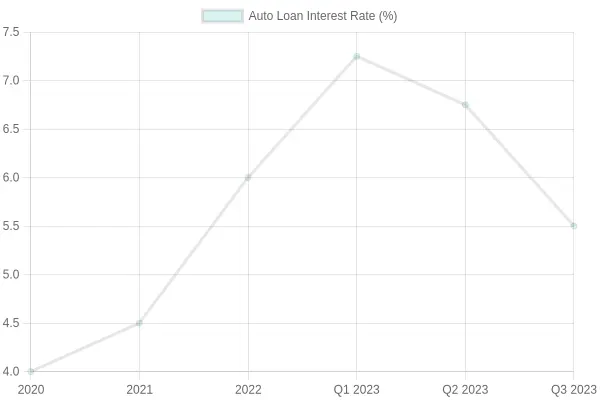
Understanding the trend in auto loan interest rates is crucial for car buyers as it impacts financing options and overall vehicle costs. In recent years, interest rates have fluctuated significantly due to various economic factors including Federal Reserve policies.
Here is a line chart that illustrates the trends in auto loan interest rates from 2020 through 2023:
Interest Rates Overview:
| Period | Auto Loan Interest Rate (%) |
|---|---|
| 2020 | 4.0 |
| 2021 | 4.5 |
| 2022 | 6.0 |
| Q1 2023 | 7.25 |
| Q2 2023 | 6.75 |
| Q3 2023 | 5.5 |
In summary, while auto loan interest rates were at 4% in 2020, they have since increased to a peak of 7.25% in Q1 2023 before reducing slightly to 5.5% in Q3 2023. This trend reflects a complex interaction between borrowing costs and economic conditions. For more information on managing your auto financing effectively, you may want to explore our auto finance solutions or understand the impact of loan delinquencies.
In conclusion, securing the right auto financing before purchasing a vehicle is a pivotal step that can lead to more favorable terms and a smoother buying experience. Throughout this article, we’ve discussed various financing options available to car buyers, emphasizing the necessity of evaluating these options thoroughly. Understanding your credit score, shopping for competitive interest rates, and considering loan terms can empower you to make informed decisions when it comes to financing your next vehicle.
Additionally, we highlighted the importance of establishing a budget and calculating the total cost of ownership, which includes not only the purchase price but also factors like insurance, maintenance, and fuel expenses. By addressing these elements proactively, you can avoid unnecessary financial strain in the future.
For those seeking tailored solutions in auto financing, consider reaching out to Summit Fairings. Their expertise can guide you through securing financing that best fits your needs, helping to ensure your next vehicle purchase is not only successful but also manageable in the long run.
Frequently Asked Questions (FAQs) about Auto Financing
Auto financing can seem overwhelming, but understanding it better can help you navigate the process with confidence. Here are some common questions that potential car buyers often have about auto financing:
1. What is auto financing?
Auto financing refers to the process of obtaining a loan to purchase a vehicle. This loan is typically paid back over time with interest. Buyers can secure financing through banks, credit unions, or dealerships.
2. How do I know what I can afford?
To determine what you can afford, consider your budget, including your monthly expenses and other financial obligations. A common rule of thumb is that your car payment should not exceed 15% of your monthly take-home pay. Additional costs such as insurance, maintenance, and fuel should also be factored in.
3. What types of auto loans are available?
There are several types of auto loans available:
- New Car Loans: For buying a brand-new vehicle.
- Used Car Loans: For purchasing pre-owned vehicles.
- Refinancing Loans: To lower your current interest rate by refinancing your existing auto loan. Learn more about refinancing options here.
4. What is the difference between a secured loan and an unsecured loan?
A secured car loan requires collateral, usually the vehicle itself, which means the lender can repossess the car if you fail to repay. Unsecured loans do not require collateral but often come with higher interest rates due to the higher risk for lenders.
5. What factors affect my interest rate?
Several factors can influence your interest rate, including your credit score, the type of loan you choose, the loan’s term length, and the current market conditions. Prospective borrowers with higher credit scores usually receive more favorable rates.
6. Can I get financing through the dealership?
Yes, many dealerships offer financing options directly through their financial providers. However, it’s important to compare these offers with other financing options to ensure you are getting the best deal available.
7. What is the average interest rate on auto loans?
As of late 2023, the average interest rate for new car loans was around 6.2%, while used car loans averaged around 10.4%. Rates can vary widely based on your credit score and lender.
8. What should I do if I can’t make my payments?
If you anticipate trouble making payments, it’s crucial to communicate with your lender as soon as possible. Options such as loan modification, deferment, or refinancing may be available. Learn how to manage your finances in difficult times here.
Understanding these questions can set you on the right path to securing auto financing. By being proactive and informed, you will be better positioned to make decisions that align with your financial goals and needs.