

In the interconnected landscape of world finance, understanding the intricacies of auto loans is increasingly crucial for various stakeholders, including individual car buyers, auto dealerships, and small businesses with fleet needs. Navigating the complexities of financing options can significantly impact purchasing decisions and long-term financial health. For car buyers, selecting the right loan not only affects monthly payments but also shapes their overall vehicle ownership experience. Meanwhile, auto dealerships must ensure they provide competitive financing options to close sales effectively and maintain customer loyalty. Additionally, small businesses looking to acquire vehicles for operations face unique challenges, making informed financing decisions vital for sustaining their growth and profitability. By unpacking the various financing avenues available in today’s market, we aim to equip our readers with the knowledge required to make empowered, strategic decisions that resonate far beyond the car lot. To delve deeper into effective financial management strategies for vehicle acquisition, learn more about auto finance solutions and navigate through the nuances of managing truck ownership finances here.
Overview of Auto Loans
Auto loans are financing options specifically designed to assist individuals in purchasing vehicles. These loans enable buyers to obtain their desired car without needing to pay the full price upfront, allowing them to spread the cost over several years through monthly repayments. Given the substantial cost of vehicles today, auto loans play a significant role in the automotive market, making car ownership more accessible to a broader range of consumers.
How Auto Loans Work
An auto loan typically involves a borrower applying for financing through banks, credit unions, or specialized auto lenders. The lender assesses the borrower’s creditworthiness, which significantly influences the loan amount, interest rate, and terms offered. Once approved, the borrower receives the funds needed to purchase the vehicle, which serves as collateral for the loan.
Repayment terms vary, with common ranges from 24 months to 84 months. According to recent information, the most prevalent auto loan terms include 60 months and 72 months, while 84-month terms are becoming increasingly popular. These options provide flexibility, allowing buyers to choose a term that fits their financial situation.
Interest Rates
Interest rates on auto loans can fluctuate based on market conditions, credit scores, and loan duration. As of 2023, the interest rate for a 60-month new car loan is approximately 6.93%. This rate varies depending on various factors, but it serves as a benchmark for potential borrowers. High credit scores typically lead to lower interest rates, making it financially advantageous for buyers to maintain good credit health.
Relevance in Today’s Financial Landscape
In today’s economy, auto loans have become increasingly relevant as vehicle prices continue to rise, and more consumers seek affordable payment options. They allow buyers to manage their budgets effectively while ensuring they can purchase necessary vehicles for personal or business use.
Common Misconceptions
Many misconceptions surrounding auto loans can lead to poor financial decisions:
- Higher is Better: Some believe higher loan amounts equate to better cars. However, choosing a more affordable vehicle may allow for a healthier financial situation.
- One Size Fits All: Loan terms are not universal; they vary greatly depending on personal financial conditions and lender policies.
- Credit Score Myths: Some might think only perfect credit scores qualify for loans, but many lenders offer competitive options for varied credit profiles.
In conclusion, understanding the intricacies of auto loans can empower consumers to make informed decisions, maximizing their vehicle purchase experience. For more on managing vehicle finance effectively, read about managing truck ownership finances.
Educating oneself on auto loans can lead to a wise investment that aligns with long-term financial goals.
Comparing Auto Loan Providers
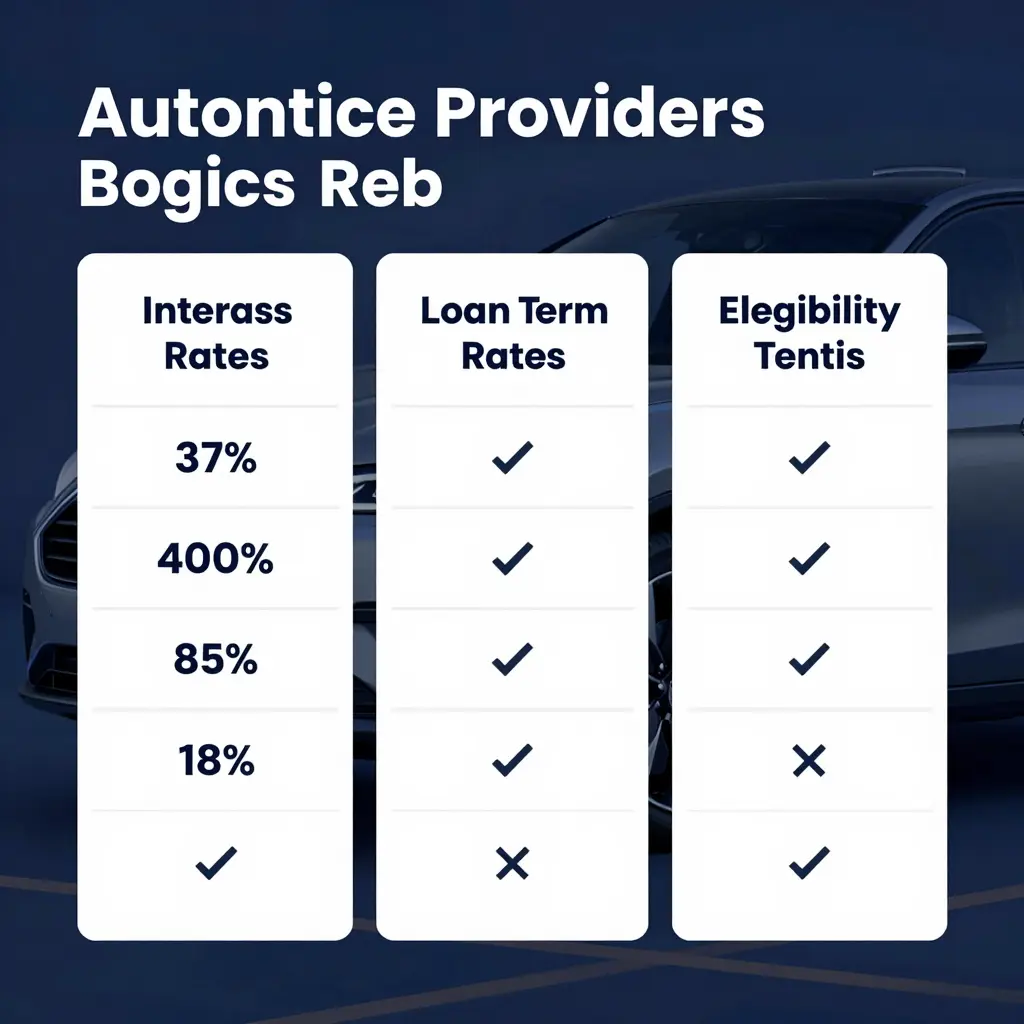
When it comes to financing a vehicle, selecting the right auto loan provider can significantly impact your purchasing experience. Below is a detailed comparison of three prominent auto loan providers, focusing on their interest rates, loan terms, and eligibility criteria, which will empower both individual car buyers and auto dealerships in making informed decisions.
| Provider | Interest Rate | Loan Terms | Eligibility Criteria |
|---|---|---|---|
| Exciting Bank | 3.2% – 5.5% | 1 to 5 years | Good credit score, Stable income |
| Innovative Finance Co. | 4.25% – 7% | 3 to 7 years | Good credit, Down payment required |
| Reliable Auto Loans | 4.5% – 10% | 2 to 6 years | Minimum 650 credit score, Proof of income |
This table presents a concise yet comprehensive overview, making it easier to compare various options based on critical factors, therefore providing value to both car buyers and dealerships. For more information on financing options, consider our auto finance solutions. Additionally, learn about managing truck ownership finances here.
Benefits of Financing Through World Finance
Securing an auto loan from World Finance offers numerous advantages that facilitate the car purchasing process for individuals, dealerships, and businesses. Here are some key benefits:
- Flexible Loan Terms: World Finance provides loan terms that range from 12 to 84 months, allowing borrowers to choose an option that best fits their financial situation. This flexibility helps in making monthly payments manageable.
- Competitive Interest Rates: With interest rates tailored to individual credit profiles, applicants-especially those with less-than-perfect credit-can access financing that might otherwise be unavailable through traditional banks. This inclusivity empowers a broader range of customers to purchase vehicles.
- Quick Approval Process: Many applicants experience a streamlined application process that can be completed online in a matter of minutes. Quick funding is an additional benefit, with many approved loans funded within 24 hours, enabling customers to act swiftly in a competitive market.
- Comprehensive Vehicle Financing: World Finance allows financing for up to 100% of the vehicle’s purchase price, which includes both new and used cars. This comprehensiveness ensures that buyers find vehicles that meet their needs without being constrained by initial costs.
- Building Credit: For many individuals, securing an auto loan provides an opportunity to build or improve their credit history, contributing positively to their financial future. Regular, on-time payments can boost credit scores, which is crucial for future financing opportunities.
- Personalized Support: Customers receive dedicated assistance from loan specialists throughout the financing process. This support not only enhances understanding of loan terms but also contributes to a more satisfying customer experience.
These benefits make auto financing through World Finance a favorable choice for individual car buyers, dealerships looking to facilitate sales, and businesses seeking to expand their fleets. By choosing World Finance, customers not only gain access to appealing loan terms but also the opportunity to build lasting financial health.
For more information on financial management and resources for first-time buyers, check out our section on financial implications of vehicle lifetimes or loan refinancing options.


Case Study: Financing a Small Business Fleet with Auto Loans
Overview
In an increasingly competitive marketplace, small businesses often face challenges when it comes to financing their operations, particularly in acquiring and managing fleets of vehicles. This case study explores how a small logistics company, Swift Movers, successfully financed its fleet with auto loans, overcame the innate challenges, and ultimately achieved its business goals.
Business Background
Founded in 2018, Swift Movers started with two delivery vans and quickly gained traction in the e-commerce logistics sector. As demand surged, the company recognized the need to expand its fleet to enhance service delivery and maintain customer satisfaction. The initial fleet’s inadequacy became a critical barrier to scaling operations, prompting a reevaluation of its financing options.
Challenges Faced
- Initial Financial Constraints: Swift Movers struggled with cash flow due to high operational costs and the increasing demand for timely deliveries.
- High Upfront Costs: Purchasing new vehicles outright presented significant upfront expenses, straining the company’s budget.
- Credit Limitations: Given their relatively recent entry into the market, Swift Movers faced challenges in securing traditional financing due to limited credit history.
To address these challenges, the company explored various auto loan options provided by financial institutions specifically tailored for small businesses.
Financing Solutions
Swift Movers decided to leverage commercial auto loans which offered the following benefits:
- Lower Down Payments: Many financial institutions allowed for lower initial payments, making it easier for Swift Movers to acquire vehicles without depleting cash reserves.
- Flexible Loan Terms: The loans came with extended repayment periods, improving cash flow management by allowing for predictable monthly payments.
- Tax Advantages: The company benefitted from potential tax deductions on interest and depreciation, supporting its financial health.
Implementation of Financing
Swift Movers worked with Ally Financial, known for their favorable commercial vehicle financing options, which included:
- Flexible terms and payment options that fit the company’s cash flow needs.
- Minimal upfront costs and no requirement for a large security deposit.
After thorough analysis, Swift Movers was able to secure loans totaling $500,000 for the purchase of new vehicles, which allowed them to expand their fleet from two to ten delivery vans.
Outcomes
- Increased Capacity: With the new fleet in operation, Swift Movers was able to increase its delivery capacity by 300%.
- Improved Customer Satisfaction: Reliable, timely service led to enhanced customer loyalty and positive reviews.
- Financial Health: The structured loan repayments helped maintain liquidity, allowing Swift Movers to allocate resources towards marketing and further growth.
Conclusion
Through strategic financing, Swift Movers successfully navigated the challenges of expanding its fleet. Their experience showcases how small businesses can leverage auto loans to enhance operational capability, maintain cash flow, and ultimately reach their business objectives. For more insights on managing small business finances and truck ownership, learn more about financial management for first-time truck owners. Understanding the financial implications is essential for businesses looking to grow in today’s competitive market.
Chart: Fleet Financing Trends 2020-2023
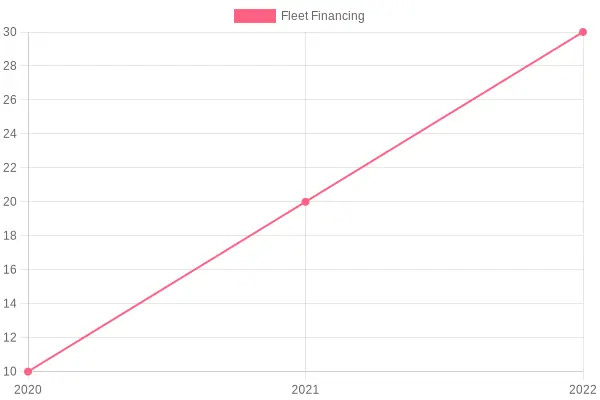
This chart illustrates the escalating trend in fleet financing over the last few years. The consistent upward trajectory indicates a growing opportunity for small businesses in the logistics sector to acquire fleets sustainably.
The Importance of Understanding Auto Loans
“Understanding auto loans is paramount to securing favorable terms. Before applying, check your credit reports and scores, as this is the single most important factor in determining the interest rate offered. Knowing the loan terms, including APRs and fees, empowers buyers to negotiate better deals and save substantial money.” – Forbes
This quote underscores how crucial it is for potential car buyers to understand the full scope of auto loans, which directly impacts their financial decisions and outcomes. Being informed can help individuals and businesses make strategic choices that can lead to significant savings over time.
Common Challenges in Auto Loan Applications and Solutions
Applying for an auto loan can be a stressful experience for both car buyers and dealerships. Understanding the common challenges and potential solutions can streamline the process and enhance overall success rates.
Major Challenges Faced by Car Buyers
-
Limited Credit History
Many first-time buyers struggle with limited or no credit history, making it difficult to secure favorable loan terms or even qualify for a loan. For instance, according to NerdWallet, borrowers with a lack of robust credit history often face higher interest rates.Solution:
- Build Credit Early: Consider securing a credit card or small loan prior to purchasing a vehicle to establish a credit history.
- Utilize Co-Signers: Having someone with a stronger credit profile co-sign the loan can be beneficial.
- Income Verification Issues
Dealers and lenders often require proof of stable income, and for buyers with fluctuating incomes or self-employment, this can prove challenging.
Solution:
- Compile Documentation: Gather pay stubs, tax returns, and bank statements to preemptively address income verification requests.
- Consider a Larger Down Payment: Increasing the down payment can mitigate perceived income instability.
- High Debt-to-Income Ratio
A high ratio can deter lenders from approving a loan. According to a study by Experian, buyers with excessive debt relative to income are often denied loans.
Solution:
- Reduce Existing Debt: Paying off smaller debts can improve the debt-to-income ratio.
- Optimize Loan Amount: Apply for loans within an affordable range based on current income.
Challenges for Auto Dealerships
- Credit Market Constraints
Dealers face challenges such as tightening credit markets, which limit financing options for buyers. This leads to potential lost sales and disappointed customers.
Solution:
- Diversify Financing Options: Creating partnerships with various lenders can offer more flexible financing solutions to customers.
- Technological Challenges
As digital financing becomes more prominent, some dealerships struggle to adapt to new technologies and processes that streamline loan applications.
Solution:
- Invest in Training and Technology: Providing training for staff and investing in user-friendly digital systems can enhance the loan application process, making it more efficient and customer-friendly (LendingHome).
- Fraud Prevention
The rise in auto loan fraud has led to strict requirements that may overwhelm some dealerships.
Solution:
- Implement Robust Verification Systems: Adapting to technologies that verify customer identities and validate loan applications can minimize fraudulent activities.
Conclusion
By recognizing these challenges and employing proactive strategies, both car buyers and dealerships can navigate the auto loan application process more effectively. Strengthening credit profiles, optimizing income verification, diversifying financing options, and leveraging technology are key factors in achieving successful loan approvals.
Trends in Auto Loan Interest Rates
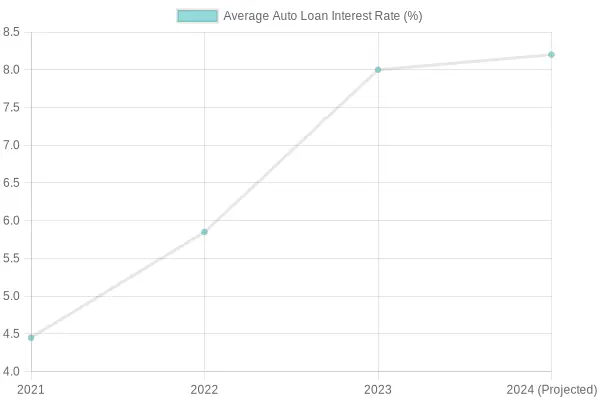
Understanding the trends in auto loan rates is essential for both individual car buyers and auto dealerships, especially in today’s fluctuating financial market. Recent trends have shown a significant increase in average auto loan interest rates over the past few years, reflecting broader changes in monetary policy and market conditions.
Recent Trends
- 2021: Auto loan interest rates averaged 4.45%.
- 2022: Rates increased to 5.85%.
- 2023: A dramatic rise brought the average to 8.00%.
- Projected for 2024: Rates are expected to further increase to 8.20%.
This data highlights how auto loan interest rates have escalated significantly, influenced by various economic factors, including recent Federal interest rate hikes. In 2023, the impact of these financial policies became particularly noticeable, making loans more expensive for consumers.
Visual Representation
To better understand these trends, refer to the chart below:
Average Auto Loan Rates Over Years
| Year | Average Auto Loan Interest Rate (%) |
|---|---|
| 2021 | 4.45 |
| 2022 | 5.85 |
| 2023 | 8.00 |
| 2024 (Projected) | 8.20 |
Sources:
- Alkami Technology – Average Auto Loan Interest Rate Trends
- Bankrate – Average auto loan interest rates by credit score in 2026
- Statista – Historical auto loan rates in U.S. 2026
These trends are crucial for consumers and businesses alike. They must be aware of the rising costs associated with borrowing to make informed decisions when financing a vehicle.
Conclusion and Call-to-Action
In summary, the landscape of auto loans intricately intertwines with global finance, showcasing a dynamic interaction that shapes market trends. In 2023, the average auto loan interest rates in the U.S. rose significantly, highlighting the impact of broader economic conditions on consumer financing options. Factors such as rising interest rates and increased loan defaults underscore the importance of making informed decisions when financing a vehicle. Additionally, the emerging focus on fuel-efficient and electric vehicles augments available financing solutions, paving the way for a more sustainable future in automotive lending.
As car buyers navigate this evolving financial landscape, exploring competitive auto loan options is essential. At Summit Fairings, we bring forward tailored financing solutions designed to meet the unique needs of individual buyers, auto dealerships, and small business fleet buyers. Whether you’re looking to secure your first auto loan or refinance existing agreements, don’t hesitate to explore our offerings for personalized assistance. Your journey towards a smarter financing decision starts here!