

When it comes to car ownership, understanding how to finance auto repairs is crucial. For individual car buyers, auto dealerships, and small business fleet buyers, navigating the world of car maintenance funding can seem daunting, especially when unexpected repairs arise. Effective financing is about more than just paying the repair bill; it’s about ensuring your vehicle remains reliable and safe, safeguarding both your investment and your peace of mind. With a variety of repair financing options available-from traditional auto loans to specialized repair credit cards-making informed decisions can significantly ease the financial burden associated with unexpected automotive issues. Moreover, knowing how to manage these costs ensures you can keep your vehicle in top shape, which is essential for enhancing your operational productivity, whether you’re in personal or commercial use. Explore your options and learn how understanding the nuances of vehicle maintenance financing can empower you to make more confident choices regarding your auto repair needs. Learn more about managing truck ownership finances and how you can optimize your expenditure as a vehicle owner.
Common Auto Repair Costs: What to Expect Financially
Understanding typical auto repair expenses can help you plan your budget and avoid surprises when vehicle maintenance is needed. Whether you are an individual car buyer, managing a small business fleet, or part of an auto dealership, knowing the usual costs involved in auto repairs is essential for effective financial planning.
Here are some of the most common vehicle maintenance costs to keep in mind:
- Brake Replacement: Typically costs between $150 and $300 per axle. This includes replacing brake pads and sometimes rotors, depending on wear.
- Oil Change: Ranges from $30 to $75, depending on the type of oil used and service location.
- Battery Replacement: Costs approximately $100 to $200, varying based on battery size and quality.
- Tire Replacement: New tire prices average $100 to $250 each, with additional installation fees.
- Transmission Repair: Considerably more expensive, transmission repairs can range from $1,000 to $3,500, or more if a full replacement is required.
- Engine Repair or Overhaul: One of the highest auto repair expenses, typically costing from $1,500 to $4,000 or above depending on the extent of damage.
- Suspension Repair: Costs usually fall between $300 and $1,200 depending on whether shocks, struts, or other components need replacement.
- Exhaust System Repair: Minor exhaust repairs may cost $100 to $300, while full system replacements can exceed $1,000.
- Air Conditioning Repair: Often ranges from $150 to $1,000 depending on whether it’s a recharge or more substantial fix.
- Check Engine Light Diagnosis: Diagnostic fees typically cost $50 to $100, often waived if repairs are performed.
Being familiar with these typical auto repair expenses allows for smarter budgeting and financing decisions. For fleet management or commercial vehicles, these costs can add up quickly, making it crucial to have solid financial plans in place.
For guidance on managing vehicle-related finances effectively, especially for truck ownership and fleets, check out this comprehensive guide on managing truck ownership finances. Additionally, understanding the financial implications of vehicle lifetimes can equip you with insights for long-term vehicle maintenance budgeting.
By preparing for these common repair and maintenance costs, you can avoid unexpected financial strain and keep your vehicles running smoothly without disruption.
Financing Options for Auto Repairs
Financing auto repairs can be crucial in managing unexpected repair costs. Various options are available, each with its advantages and disadvantages. Below, we summarize the most common methods to finance auto repairs.
Credit Cards
Using credit cards can be a convenient option for financing auto repairs. Here are the pros and cons:
Pros:
- Immediate Access: You can usually access funds instantly, allowing for quick repairs.
- Rewards Programs: Many credit cards offer cashback or reward points for purchases.
- Purchase Protection: Some credit cards include insurance for purchases, which can provide added security.
Cons:
- High Interest Rates: If the balance is not paid in full, the interest can accumulate quickly, leading to higher costs.
- Potential Debt Accumulation: If used frequently for repairs, this can lead to debt, which may be difficult to manage.
Learn more about credit card financing options here.
Personal Loans
Personal loans can serve as another effective way to finance auto repairs. Consider the following:
Pros:
- Quick Access to Funds: Generally available with fast approval times.
- Fixed Payments: Most personal loans offer fixed interest rates, leading to predictable monthly payments.
- No Collateral Required: Unsecured loans do not require you to pledge any assets.
Cons:
- High-Interest Rates: Depending on your credit score, personal loan rates may be higher than other options.
- Debt Accumulation: Borrowing increases overall debt levels.
- Fees: Certain loans may have origination fees or other costs.
Manufacturer or Dealership Financing
Some manufacturers or dealerships offer financing options specifically for repairs and services. Here’s how they stack up:
Pros:
- Convenience: Often straightforward application processes through the dealership.
- Promotions: May come with promotional periods offering low or no interest.
Cons:
- Limited Flexibility: These loans may only be usable at the specific dealership.
- Potentially Higher Costs: Fees and interest rates may be less favorable compared to other loan options.
In conclusion, financing auto repairs can be achieved through various options, from credit cards to personal loans and dealership financing. It is essential to weigh the pros and cons of each option to find the best fit for your financial situation. Before committing to any financing, consider consulting with a financial advisor for tailored advice.
For additional insights into financial management, feel free to browse through our article on managing truck ownership finances.
Comparison of Financing Options for Auto Repairs
If you are considering financing options for auto repairs, it’s essential to understand the varying interest rates, repayment terms, and eligibility criteria. Below is a table summarizing common financing options available as of 2023:
| Financing Option | Interest Rates | Repayment Terms | Eligibility Criteria |
|---|---|---|---|
| Credit Cards | 15% – 25% | Minimum payments monthly | Generally requires good credit score |
| Personal Loans | 6% – 36% | 1 – 7 years | Good credit score needed, income verification required |
| Auto Repair Financing Programs | Often 0% promotional rates | 6 – 12 months | Depends on credit approval; looser requirements may apply |
| Home Equity Loans/Lines | 3% – 10% | 5 – 30 years | Requires home equity and good credit; may need collateral |
Quick Tips:
- Always compare the total cost of each financing option.
- Consider factors like flexibility in repayments and overall financial impact.
- Consult with specific lenders to get the most accurate information tailored to your situation.
For more information on financial management related to auto repairs and ownership, learn more here.
The Importance of Budgeting for Auto Repairs: Plan Ahead to Avoid Financial Strain
Unexpected auto repairs can be a significant financial burden if you’re unprepared. Budgeting for auto repairs is essential for individual car buyers, auto dealerships, and small business fleet buyers alike to maintain financial stability and ensure that vehicle downtime is minimized.
Why Budgeting for Auto Repairs Matters
Auto repairs, especially emergency ones, can quickly escalate in cost. Without a dedicated budget, these expenses can disrupt your overall financial plan, forcing you to rely on high-interest credit or loans. Repair budgeting tips consistently emphasize the importance of setting aside funds monthly to build a reliable financial cushion for these unforeseen costs.
How to Set Aside Funds Monthly
- Assess Your Vehicle’s Needs: Older vehicles or fleets with frequent usage typically require more maintenance. Allocate a higher portion of your monthly budget accordingly.
- Create a Dedicated Repair Fund: Open a separate savings account exclusively for auto repairs to avoid mixing these savings with everyday expenses.
- Automate Your Savings: Set up automatic monthly transfers from your primary account to your repair fund. Even small amounts, such as $50 or $100, can accumulate over time to cover costly repairs.
- Prioritize Repairs: When multiple repairs are needed, prioritize them based on safety and long-term vehicle health. Focus on critical repairs first to avoid further damage or breakdowns.
Tips for Effective Repair Budgeting
- Review past repair costs to gain insight into typical expenses and anticipate future needs.
- Use budgeting apps or tools to track your savings progress and auto expenses.
- Consider insurance or warranty options that can offset some repair costs.
By proactively budgeting and financial planning, you can avoid the stress of sudden repair bills and keep your vehicles on the road efficiently. For more insights tailored towards managing truck finances and related expenses, explore managing truck ownership finances.
Remember, effective budgeting not only safeguards your cash flow but also contributes to better vehicle maintenance decisions and enhanced safety on the road.
Introduction
Living in today’s world entails relying heavily on vehicles not only for commuting but also for managing daily responsibilities and fulfilling professional duties. However, auto repairs are an inevitable part of car ownership, and when unexpected repairs arise, many individuals find themselves in a financial bind. This case study explores the experience of Emily, a hypothetical individual facing the challenge of financing auto repairs and how she alleviated her stress through a manageable financial solution.
Background
Emily is a 32-year-old marketing professional living in a suburban area. Her car is her primary mode of transportation, crucial for her daily commute and weekend errands. One morning, she learned that her vehicle needed significant repairs due to a sudden mechanical failure. The estimated repair cost was around $1,200, an expense she had not planned for.
Challenges Faced
High Unexpected Costs
Like many individuals, Emily faced unexpected repair costs that significantly impacted her finances. She was living paycheck to paycheck, and a sudden expense of this magnitude felt overwhelming. The thought of being without her vehicle while looking for alternative transport was an additional source of stress.
Limited Financing Options
Emily researched her options for financing auto repairs and discovered that her choices were limited. Many traditional lenders offered high-interest loans that put additional strain on her already tight budget. Some financing options had unfair terms, making the repair costs seem greater than the upfront price.
Lack of Knowledge
Emily also realized that she lacked sufficient knowledge about financing options available for auto repairs. She was unaware of the various programs and credit options that might exist, which adds to the burden for many individuals facing similar situations. This left her feeling trapped and anxious about making a decision.
Solution Chosen
After weighing her options, Emily decided to finance her auto repairs through a local credit union that offered specialized loan programs for vehicle repairs. The credit union provided a personal loan with a reasonable interest rate and flexible repayment plans, which alleviated her immediate financial burden.
Benefits of Financing
-
Accessibility: By selecting the credit union financing option, Emily secured funds quickly, allowing her to proceed with necessary repairs without delay, ensuring her safety and mobility.
-
Manageable Payments: The loan allowed her to spread the repair cost over several months instead of needing to pay the entire amount upfront. This enabled her to maintain her budget without derailing her other financial commitments.
-
Peace of Mind: Knowing that she could afford the monthly payments relieved Emily of the stress associated with the financial strain. The timely repairs restored her vehicle to working order, allowing her to return to her routine without disruption.
Emily also took the opportunity to educate herself on various financing options moving forward. She consulted articles on how to finance auto repairs and engaged with her company’s HR department about potential employee benefit programs that offer assistance for car maintenance.
Conclusion
Emily’s case illustrates the significant stress that unexpected auto repair costs bring to individuals, especially when they are unprepared financially. Through informed decision-making and by choosing a suitable financing option, she found a way to manage and ultimately relieve her stress regarding the repairs. This experience underscores the importance of financial planning and awareness of available resources for financing auto repairs. For individuals in similar situations, it is essential to explore various financing options and make educated decisions that maintain both vehicle safety and financial health.
For more insights about how to manage auto repair finances, consider reading more about managing truck ownership finances.
This case study not only addresses the individual experience of financing auto repairs but also provides valuable lessons on financial literacy and planning. It serves as a reminder for car owners to prepare for unexpected expenses, ensuring they can continue their essential travels with peace of mind.
The Importance of Maintaining a Repair Budget
Failing to budget for auto repairs can lead to significant long-term financial implications, as evidenced by the following data:
- Unexpected Repairs: On average, the cost incurred from unexpected repairs when not budgeting can reach up to $800.
- Vehicle Depreciation: Vehicles that are not maintained through proper budgeting can see a 20% increase in value loss due to depreciation.
- Annual Repair Costs: The overall increase in average vehicle repair costs in 2023 stood at 6.5%, highlighting the growing need for proactive management of repair budgets.
To illustrate the stark differences between budgeting for repairs versus facing unexpected costs, refer to the chart below:
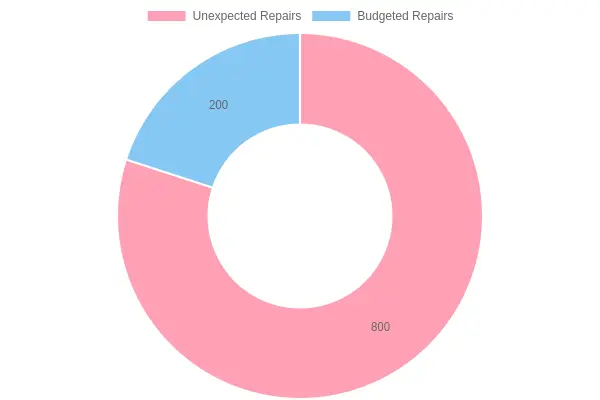
The chart clearly depicts:
- Budgeted Repairs at $200 annually vs. Unexpected Repairs costing approximately $800.
Making informed decisions on budgeting for auto repairs is crucial for individuals and businesses alike, preventing undue financial stress in the long run. If you’re interested in learning more about managing truck ownership finances, check out this comprehensive guide.
Overall, budgeting is not just about the immediate costs; it is a strategic approach that protects against larger financial liabilities down the road.
For further insights on the impact of vehicle ownership costs, visit AAA’s exploration of car ownership.
Conclusion
Navigating the financial landscape of auto repairs can often be daunting, yet having a sound financing strategy is critical for both individual car owners and businesses managing fleets. Throughout our discussion on how to finance auto repairs, we highlighted several key strategies and considerations that can help ease the burden of unexpected repair costs.
First and foremost, understanding the various financing options available-such as personal loans, credit cards, and repair financing plans-can empower you to make informed decisions. Options such as using a line of credit not only provide immediate access to cash when emergencies arise but also offer flexibility in repayment. Alternative financing programs from auto dealerships can also reduce the strain of upfront costs, making vehicle maintenance more manageable for everyone, including fleet operators.
Furthermore, the necessity of establishing a clear budget for repairs cannot be overstated. By setting aside funds for future maintenance needs, car owners can avoid the last-minute rush of finding quick financing solutions that may not be the most favorable. Early preparation allows individuals to weigh all their options, ensuring that they choose the most cost-effective and advantageous financing route.
Ultimately, having a comprehensive plan for financing auto repairs gives individuals and businesses the confidence to face unforeseen maintenance challenges without losing financial stability. It is not just about addressing immediate repair needs, but also about protecting your long-term investment in your vehicle.
As you consider your next steps, I encourage you to evaluate your financing options carefully and prioritize establishing a robust repair budget. To learn more about effective financial management strategies and how to prepare for potential vehicle ownership costs, check out this resource on managing truck ownership finances. Remember, being proactive today can safeguard your finances tomorrow.
In the unpredictable world of vehicle ownership, it’s wise to prepare for unforeseen auto repairs by establishing a dedicated emergency fund and budgeting for maintenance. This strategy protects your finances and ensures that you can respond to unexpected car issues without stress.