

Exploring Chase Auto Finance Payment Deferrals: A Strategic Solution for Car Buyers
In today’s dynamic automotive market, the financial burden of purchasing a vehicle can often weigh heavily on consumers and businesses alike. For individual car buyers, auto dealerships, and fleet operators, managing cash flow while securing the right vehicle can pose significant challenges. This is where Chase Auto Finance steps in with an invaluable solution-payment deferrals. By enabling buyers to defer their payments, Chase not only alleviates immediate financial pressure but also enhances flexibility in budgeting for future expenses, providing a much-needed respite during uncertain economic times.
For car buyers, deferring payments means having the freedom to manage their finances better without the immediate strain of monthly car payments. This can be particularly crucial for individuals facing unforeseen circumstances, allowing them to prioritize essential expenditures while still securing their vehicle. Likewise, dealerships benefit from this option as it can incentivize potential buyers, thereby increasing sales and fostering positive customer relationships. Fleet buyers, on the other hand, can allocate their resources more strategically, ensuring that essential services remain uninterrupted while still growing their fleet capabilities.
Ultimately, the advantages of deferring payments with Chase Auto Finance are manifold. It reflects a commitment to understanding the diverse needs of its clientele, offering a practical solution that underscores financial prudence while supporting mobility and commerce. As you explore this option, consider how these flexible financial strategies can empower your vehicle purchasing decisions and enhance overall value in today’s marketplace. For a deeper insight into automotive financing strategies, you can learn more about customized auto finance solutions that best fit your needs.
Understanding Payment Deferment in Auto Finance
Payment deferment is a financial mechanism widely utilized in the auto finance sector, allowing borrowers to temporarily halt or reduce their monthly vehicle loan payments. This option is particularly valuable for individuals facing financial hardship, enabling them to maintain ownership of their vehicles while addressing their financial challenges.
How Payment Deferment Works
When a borrower opts for payment deferment, they essentially request a pause on their loan payments for a certain period, typically ranging from three to twelve months. During this time, interest on the loan often continues to accrue. As a result, borrowers may find that their total amount owed increases as the deferred payments are added to the end of the loan term or require a lump sum payment upon the resumption of regular payments.
To initiate a deferment, borrowers must contact their auto lender directly. The lender may require documentation to substantiate the borrower’s financial difficulties, such as recent pay stubs or proof of job loss. Importantly, not all lenders offer deferment options, and conditions may vary significantly between financial institutions.
Who Qualifies for Payment Deferment?
Typically, qualifying for a payment deferment involves demonstrating a legitimate financial hardship. Borrowers experiencing unexpected events, such as loss of income, significant medical expenses, or other financial setbacks, are often eligible. It is imperative that borrowers communicate openly with their lenders to understand eligibility criteria, which can include:
- Proof of financial hardship: Documentation showcasing income changes or increased expenses.
- Good payment history: Some lenders may only allow deferment for borrowers who have maintained a consistent repayment record prior to requesting a deferment.
- Type of loan: Certain loans may have specific terms regarding deferments, so it’s vital to review the loan contract or consult with the lender.
In conclusion, while payment deferment can be an effective short-term solution for managing auto loan payments, borrowers must be fully aware of the implications, including potential increases in the total loan amount due. For more comprehensive advice on auto finance management, check out our article on managing truck ownership finances. Additionally, understanding the broader impacts of financial decisions can be beneficial; thus, you may want to explore the implications of diesel price fluctuations in trucking as it relates to financial management in related sectors.
Comparison of Deferment Terms Offered by Chase Auto Finance and Competitors
When considering auto financing options, it’s essential to understand the deferment terms that various companies offer, especially if you face financial difficulties. Below is a comparative table summarizing the deferment programs of Chase Auto Finance, GM Financial, Ally Financial, and Westlake Financial.
| Company | Deferment Duration | Eligibility Requirements | Application Process | Interest Accrual |
|---|---|---|---|---|
| Chase Auto Finance | Up to 90 Days | Financial hardship; must provide a valid reason (e.g., job loss) | Direct contact required for application | Interest continues to accrue |
| GM Financial | Up to 6 Months | Current on payments; specific hardship criteria | Direct contact required for application | Interest continues to accrue |
| Ally Financial | Up to 3 Months | Must not be delinquent; at least two consecutive payments made | Online application or customer service | Interest continues to accrue |
| Westlake Financial | Up to 2 Months | Current on loan; demonstrate hardship | Individual review based on financial situation | Interest continues to accrue |
Insights into the Comparison
- Chase Auto Finance offers a stringent deferment option of up to 90 days but requires borrowers to directly contact for approval, emphasizing their conservative approach compared to competitors.
- GM Financial stands out with a more extended deferment period of up to 6 months, which may be beneficial for those facing significant hardships. They have a dedicated team for hardship assistance.
- Ally Financial provides flexibility with a short deferment option that waives late fees, encouraging borrowers to stay on track while experiencing difficulties.
- Westlake Financial offers a unique fast-tracked review system, which may allow for quicker responses to deferment requests, albeit for a shorter duration than GM Financial.
By understanding these terms, borrowers can make informed decisions about which financing option best suits their needs. For more detailed information on auto finance solutions, you can learn more about auto finance solutions. Additionally, those looking into handling truck ownership finances can find useful insights here.
Chase Auto Finance offers deferment options for customers who face financial hardships, allowing them to temporarily suspend payments on their auto loans. However, customer experiences with this service are varied and often reflect a mix of satisfaction and frustration.
Positive Experiences
Many individuals who successfully navigated the deferment process reported positive interactions with Chase Auto Finance. For instance, customers who faced unexpected difficulties, such as job loss or medical emergencies, shared that they were able to obtain deferments without incurring additional fees. One such review highlighted a user’s ability to pause payments for four months during a medical crisis, revealing that Chase was supportive and responsive throughout the process. This sentiment resonates with others who have emphasized the importance of submitting proper documentation promptly, as this often expedited the approval for deferments.
A user on Reddit noted that their three-month deferment was approved after they provided required documents, praising the ease of use of the online portal to submit their request. Many reviews from platforms like Consumer Affairs and the Better Business Bureau reflect these shared positive experiences, with customers expressing gratitude for quick approvals when following guidelines effectively.
Challenges Faced
Conversely, some customers have encountered difficulties that marred their experience with the deferment policy. Reports of slow response times and communication barriers have surfaced, with one individual noting that their approval process took over two weeks and necessitated multiple follow-ups to Chase’s customer service. This dissatisfaction is echoed by other users, who were dismayed by the lack of clarity surrounding eligibility requirements, leading to confusion and frustration.
Some customers experienced outright denials of their deferment requests without clear explanations, even when they believed their financial situations warranted assistance. One noted their application for a deferment was rejected due to credit-related criteria despite no prior late payments, showcasing the inconsistencies in how applications are assessed.
Summary
Overall, Chase Auto Finance’s deferment options provide crucial relief for many; however, the process can be accompanied by significant challenges. Customers are encouraged to be proactive in engaging with customer service, preparing comprehensive documentation to enhance their chances of successfully obtaining deferments. Individuals contemplating the use of these services should carefully review contract terms and prepare their financial proofs in advance to mitigate potential obstacles.
For more insights on managing financial matters related to auto loans, consider checking out our article on financial management for first-time truck owners for best practices during challenging times.
Eligibility Criteria for Deferring Payments with Chase Auto Finance
When considering payment deferment options with Chase Auto Finance, it’s essential to understand the specific eligibility criteria for individuals, dealerships, and fleet buyers. Chase offers payment deferment (also known as loan relief) for those facing financial hardships. Here are the key factors that determine eligibility:
Individual Car Buyers
- Financial Hardship: Customers must demonstrate a temporary financial difficulty. This can include situations such as job loss, unexpected medical emergencies, or significant reductions in income due to various circumstances.
- Supporting Documentation: Applicants are required to provide documentation that substantiates their claim of financial hardship.
- Payment History: A history of timely payments with Chase increases the chances of approval for deferment.
- Application Process: It’s crucial for individual buyers to proactively contact Chase Auto Finance to discuss their situation. The deferment cannot be applied automatically and requires a request from the borrower.
Dealerships and Fleet Buyers
- Demonstrated Need: Dealerships and fleet buyers may qualify for deferment if they can prove that their operations are affected due to financial changes, such as downturns in sales or unexpected repairs that impact cash flow.
- Documentation: Similar to individual buyers, fleet buyers will need to provide relevant documents that depict their current financial state.
- Communication with Chase: Dealerships and fleet managers should reach out to Chase and explain their situational context concerning payment deferment.
General Considerations
- Timeframe for Deferment: The deferment period is typically granted for up to 6 months, but the exact duration depends on the specific case assessed by Chase.
- Interest Accumulation: It’s important to note that while payments can be deferred, interest will continue to accrue during this time. This can increase the overall cost of the loan once payments resume.
This process helps borrowers manage temporary financial difficulties without immediately impacting their credit negatively. For more information on managing vehicle ownership finances, you can learn more here.
Navigating the eligibility for payment deferment can be daunting, but understanding the requirements can pave the way for a smoother experience during challenging financial times.
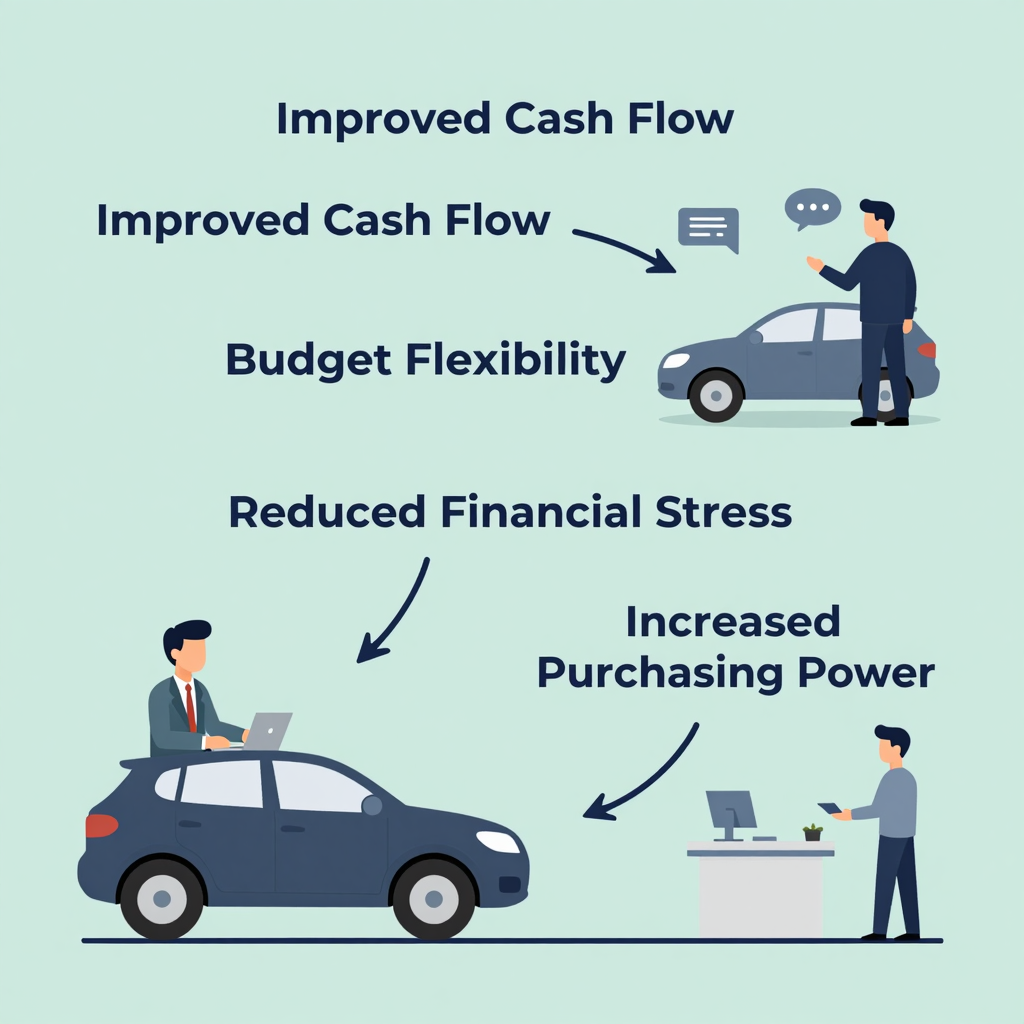
This image visually represents how payment deferments can be beneficial for both individual car buyers and auto dealerships. It highlights key advantages such as improved cash flow, budget flexibility, reduced financial stress, and increased purchasing power.
Frequently Asked Questions About Payment Deferment with Chase Auto Finance
-
What is a payment deferment?
A payment deferment allows you to temporarily pause one or more monthly payments on your auto loan, with the deferred amount added to the end of your loan term. This means while you skip your payment now, it will increase your final payment amount. -
Who is eligible for payment deferment?
Eligibility typically requires borrowers to have a valid auto loan with Chase in good standing, generally not having more than one missed payment. You must demonstrate financial hardship, such as job loss or other significant life events. -
How do I apply for payment deferment?
You can apply for deferment by logging into your Chase account, navigating to the ‘Payment Relief’ section, and submitting your request. Alternatively, you can call Chase customer service for assistance. -
How long can my payment be deferred?
Chase Auto Finance typically allows payment deferments for up to three months (90 days). However, the deferment period is subject to individual review and approval, which is not guaranteed. -
Will interest continue to accrue during the deferment period?
Yes, interest will continue to accrue during the deferment period. Once the deferment ends, the accrued interest will be added to your loan balance, which could increase your overall payment amounts. -
Are there any fees associated with payment deferment?
Chase does not charge fees for requesting a payment deferment, but it’s essential to confirm any terms and conditions by contacting their customer service or reviewing their official website. -
How often can I request a payment deferment?
Typically, deferments are limited to one or two payments and are designed for short-term relief. You will need to reapply and demonstrate continued financial hardship for further deferment requests. -
What happens if I don’t qualify for a deferment?
If you do not qualify for a payment deferment, Chase may offer alternative options for managing your auto loan, including restructuring your payment plan or providing other financial assistance. It’s recommended to discuss your options directly with a representative from Chase.
For further details, feel free to read more about payment relief options on Chase’s official site and review their FAQs about deferred payments.
“I was able to defer two payments without penalty during a tough month, and my account remained in good standing.”
- Chase Auto Finance Customer
Chase Auto Finance offers a deferment option for customers who may be facing financial hardship. This customer testimonial illustrates the trust in Chase’s services, highlighting the straightforward process and its positive impact on their financial situation. For more information on managing your auto financing, you can learn more about financial management for first-time truck owners.
Conclusion: Key Takeaways on Chase Auto Finance’s Deferment Options
In summary, Chase Auto Finance provides a structured deferment program aimed at assisting customers facing financial hardships. Here are the primary points discussed throughout the article:
-
Flexible Deferment Options: Customers eligible for deferment can suspend their payments for up to 90 days, allowing them some breathing room during financial challenges like job loss or unexpected medical expenses. This initiative demonstrates Chase’s commitment to customer support, particularly in times of economic uncertainty.
-
Eligibility Requirements: To take advantage of the deferment program, borrowers must have their accounts in good standing, which includes a history of on-time payments. Applicants are required to demonstrate financial hardship through appropriate documentation, such as proof of unemployment or medical invoices.
-
Long-term Implications: While the deferment provides immediate relief, it’s crucial for customers to recognize that these suspended payments will be added to the end of their loan term. This adjustment results in an increase in the total interest paid over time, meaning the financial aid may carry over into future payments.
-
Statistical Insights: Recent statistics showed a notable rise in long-term loan deferments at Chase, particularly for loans with terms exceeding 60 months. This trend suggests a growing reliance on deferment options among borrowers, highlighting the importance of understanding the long-term financial implications before proceeding.
-
Proactive Communication: To explore deferment options, customers should proactively reach out to Chase through their online portal or customer service. Engaging in open dialogue with a representative can help clarify eligibility and potential impacts on their overall loan.
For more detailed insights, you can learn more about managing truck ownership finances or explore other financial strategies on our site. In conclusion, while deferment options are a beneficial tool for immediate financial relief, it’s vital to evaluate the implications thoroughly to ensure ongoing financial health.
The Impact of Payment Deferments on Cash Flow
Payment deferments offer significant benefits during challenging economic times for both car buyers and businesses. They help improve immediate cash flow by reducing financial obligations in the short term. This can enhance liquidity for individual buyers, allowing them to allocate funds toward essential expenses rather than immediate loan payments. Additionally, businesses can maintain sales by providing flexible payment options, avoiding cancellations due to customers’ financial strain.
Benefits for Car Buyers and Businesses
- Enhanced Liquidity: Buyers can manage their finances better when upfront payments are deferred.
- Increased Sales Opportunities: Businesses can attract more customers by offering deferred payments, helping them maintain revenue flow.
Challenges and Considerations
While the short-term benefits are clear, reliance on payment deferments can signal financial strain among consumers. It’s crucial for businesses to balance offering this option with maintaining their own cash flow and financial health.
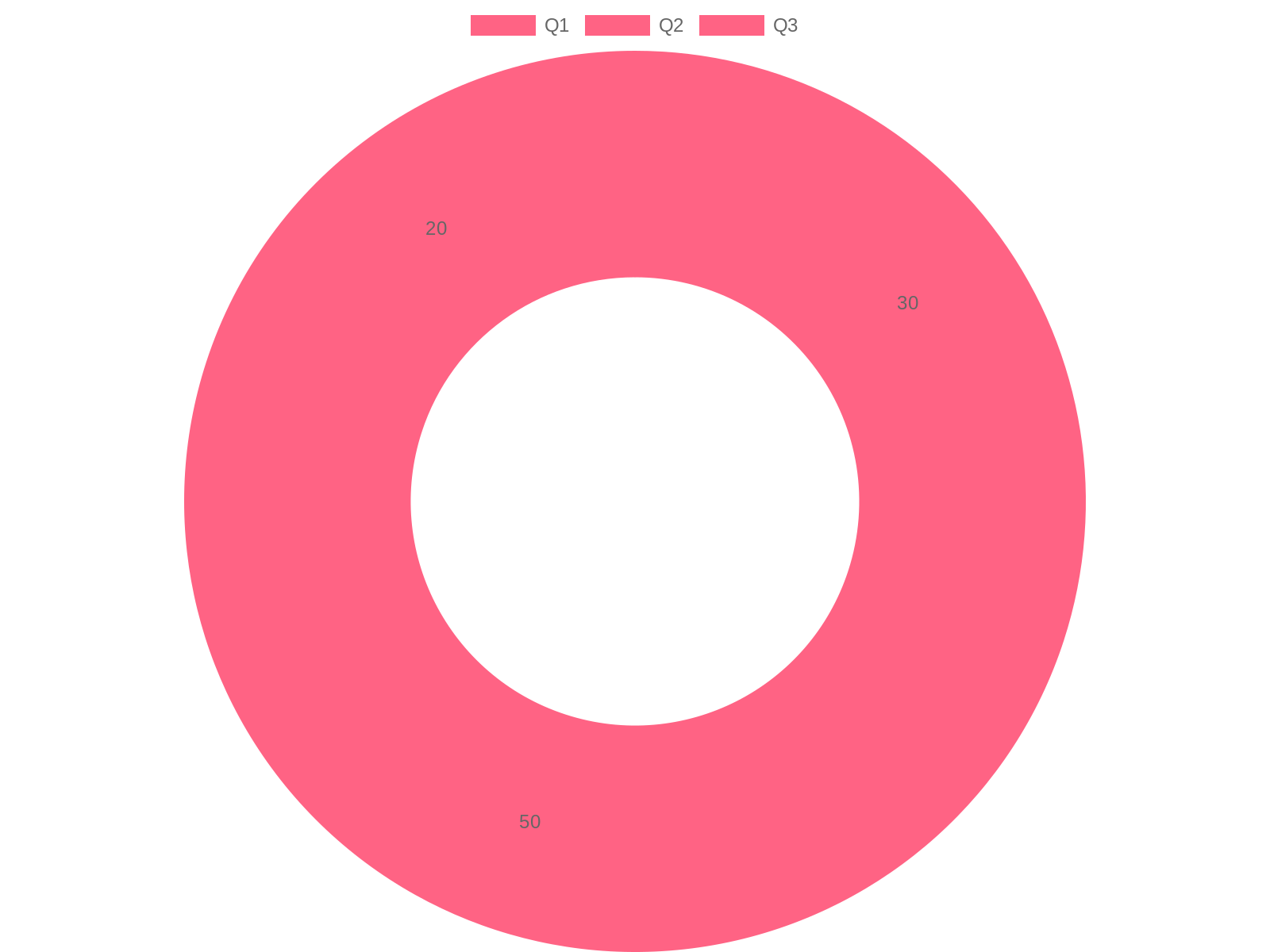
This chart illustrates the positive impact of payment deferments on cash flow for car buyers and businesses during tough economic times.
For further insights, you can learn more about managing truck ownership finances and the overall economic impact on financing decisions.