

In the ever-evolving landscape of personal finance, the question of whether one can secure auto financing without a job remains a significant consideration for many aspiring car owners. Car ownership is often a crucial element of independence and mobility, enabling individuals to commute to work, attend to family needs, and engage in social activities. However, for those without stable employment, navigating the complexities of securing a loan can be daunting. This situation raises pertinent challenges, as traditional lenders typically require proof of income to ensure that borrowers can fulfill their financial obligations. Moreover, without a steady job, individuals may face higher interest rates, limited financing options, or even outright denial of their loan applications. Understanding these barriers is essential for anyone in this predicament. Fortunately, various alternative pathways exist that can pave the way for vehicle ownership, providing individuals with the tools and resources necessary to make informed decisions about their financing options. To explore these alternatives and gain further insight into managing auto financing effectively, visit our knowledge center to empower yourself with expertise that can support your automotive aspirations.
Understanding Auto Financing
Auto financing refers to the process by which individuals secure a loan to purchase a vehicle. It is an essential aspect for many consumers who may not have enough liquid capital to pay for a vehicle outright. Understanding auto financing involves key terms such as down payment, interest rates, and loan terms, which are crucial in assessing the total cost of vehicle ownership.
Key Terms in Auto Financing
-
Down Payment: This is the initial amount paid upfront for the vehicle, reducing the total loan amount. Making a larger down payment can lower monthly payments and may help avoid negative equity, where the loan balance exceeds the car’s value. If you’re looking to make an informed decision, learn more about down payments.
-
Interest Rate: This is the cost of borrowing expressed as a percentage of the loan amount, which you pay in addition to the principal. As of early 2026, the average interest rate for a 60-month new car loan is approximately 7.00%, reflecting a rise driven by increasing benchmark interest rates. Borrowers with higher credit scores tend to receive better rates, influenced by their credit history and the perceived risk level by lenders (Bankrate).
-
Loan Term: This defines the length of time over which the loan must be repaid, typically ranging from 36 to 72 months. Longer terms generally lower monthly payments but can lead to paying more in interest over time.
How Auto Financing Works
When obtaining vehicle financing, a buyer usually applies for an auto loan through either a bank, credit union, or dealership. Lenders assess the applicant’s creditworthiness, income, and debt-to-income ratio to determine eligibility and interest rates. If approved, the borrower enters a loan agreement detailing the principal amount, interest, and repayment schedule, with the vehicle serving as collateral until the loan is fully paid.
Why Auto Financing is Necessary
Auto financing might be essential for individuals needing a vehicle but lacking the immediate funds. It allows buyers to spread the cost of a significant purchase over time, making it more manageable. For many, financing is a practical solution to acquiring reliable transportation necessary for everyday living or business operations. If you want to dive deeper into transforming your transport options, check out this detailed resource.
In summary, understanding auto financing is vital for anyone considering a vehicle purchase. By grasping the components involved, buyers can make informed choices that best suit their financial situations.
Alternative Income Sources for Individuals Without Traditional Employment
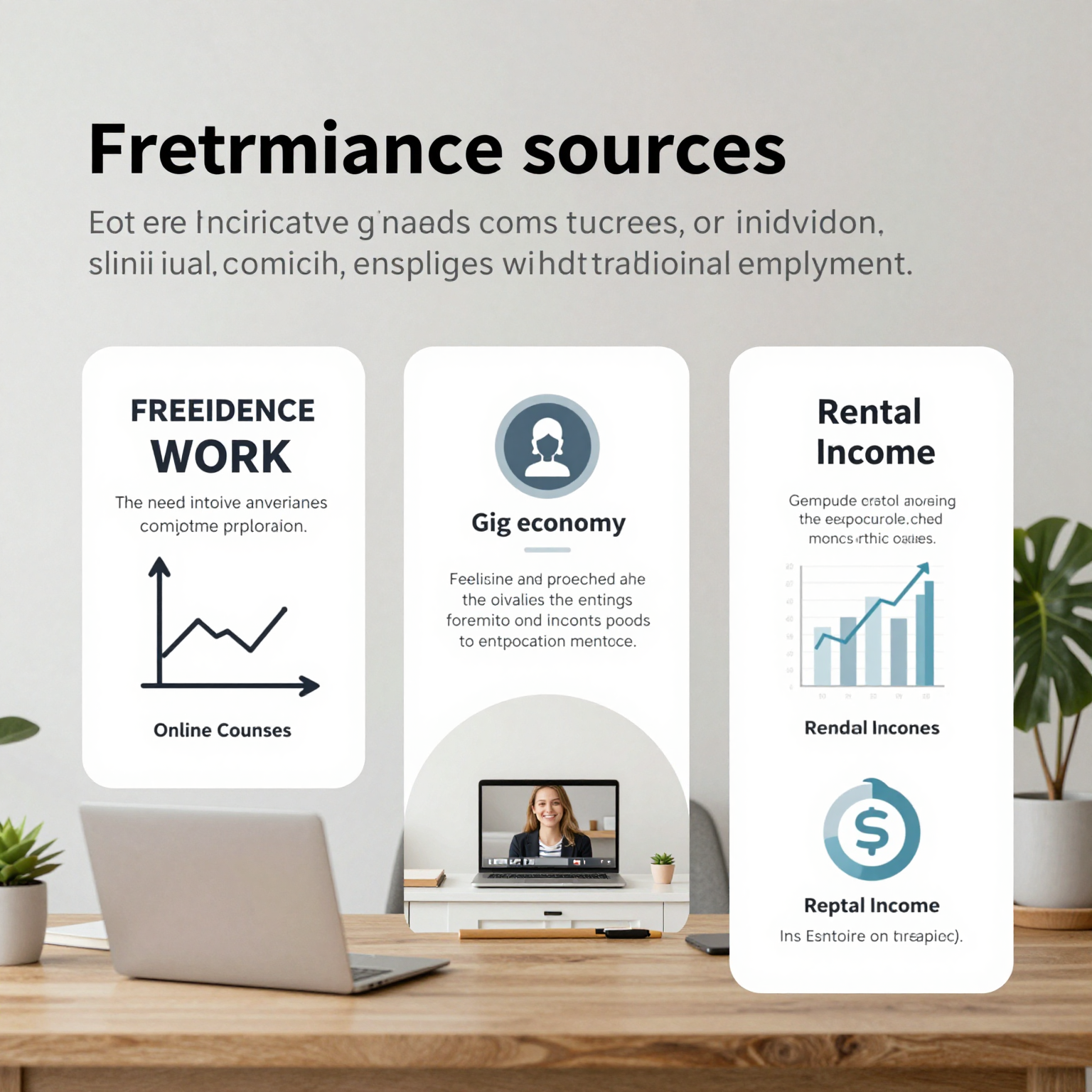
Finding alternative income sources is essential for individuals without traditional employment, especially when seeking financing options, such as auto loans. Here are some viable options:
-
Freelancing: Taking on freelance work allows individuals to utilize their skills and expertise. The average annual income for freelancers in the U.S. is approximately $99,230, with incomes ranging from $50,500 to $128,500 depending on the industry and experience level. Freelance platforms like Upwork or Fiverr make it easy to find gigs tailored to various skills.
-
Online Courses and Tutoring: If one possesses knowledge in a specific area, creating online courses or offering tutoring services can be a lucrative source of part-time income. Sites like Udemy or Teachable allow individuals to monetize their skills, which can provide a substantial income stream over time.
-
Gig Economy Jobs: Participating in gig economy platforms like Uber, DoorDash, or TaskRabbit can provide flexible work opportunities. These platforms help individuals earn as they choose their working hours, making it a suitable option for those seeking non-traditional employment.
-
Sells Crafts or Goods: Turn hobbies into income by selling crafts or handmade goods through platforms like Etsy. This not only provides a creative outlet but also a potential revenue stream.
-
Rental Income: Utilizing extra space in one’s home for rental purposes, through platforms like Airbnb or Vrbo, can yield significant income without the need for a full-time job. This can be particularly beneficial in tourist-heavy areas.
-
Government Assistance Programs: Many states offer various forms of assistance for individuals in need. This can include unemployment benefits or supplemental income programs that provide a financial safety net.
These alternative income sources can support individuals as they navigate financial responsibilities, such as auto financing, without a traditional job. For more information on financial strategies, learn more about financial options and managing truck ownership finances.
Impact of Credit Scores on Auto Financing
Credit scores play a critical role in determining one’s ability to secure auto financing. Lenders typically assess credit scores to gauge the risk of lending, with lower scores often leading to higher interest rates or even loan denials. According to a recent report, individuals with excellent credit scores (750-850) experience approval rates of approximately 95%, while those with poor scores (300-649) face approval rates around 45% (source).
For individuals who are currently unemployed, even though unemployment does not directly affect credit scores, it can complicate loan approval as it raises flags about income stability. To improve their creditworthiness, unemployed applicants can take proactive steps such as:
- Making all existing bill payments on time.
- Keeping credit utilization below 30%.
- Disputing any inaccuracies on their credit reports.
- Exploring alternatives to traditional income, such as savings or spousal income.
- Considering secured credit cards to build a positive payment history (Experian).
These efforts can significantly enhance their credit scores and improve their chances of obtaining favorable auto financing.
Comparing Auto Financing Options for Individuals Without a Job
Navigating auto financing without a job can be challenging, but several options are available. Below is a comparison of various financing options, including interest rates, terms, and eligibility requirements that potential borrowers might consider:
| Financing Option | Interest Rates | Loan Terms | Eligibility Requirements |
|---|---|---|---|
| Traditional Lenders | 12% – 20% | 36 – 72 months | Proof of alternative income sources, credit score 650+ recommended |
| Co-Signer Loans | 15% or higher | 36 – 72 months | Must have a co-signer with good credit; proof of assets may be required |
| Credit Unions | 10% – 18% | 36 – 72 months | Membership; credit score above 660; stable financial health necessary |
| Alternative Lenders (e.g. Banks) | 10% – 18% | 36 – 72 months | Good credit; at least 10% down payment; no recent delinquencies |
Key Considerations
- Alternative Income Sources: Provide documentation for any unemployment benefits, disability payments, or another source of income.
- Co-Signer: Having a co-signer with a solid credit history can greatly improve your chances of approval.
- Credit Score: A minimum score of 650 or higher is generally advisable for favorable loan terms.
- Down Payments: A down payment of at least 10% can reduce risk for lenders and bolster approval odds.
For more insights on financing options for auto purchases, you can learn more here.
These financing paths offer individuals without steady employment a way to obtain the auto loans they need, emphasizing the importance of financial stability and responsible borrowing.
Word Count: 318
The Role of Cosigners in Securing Auto Loans
For individuals without a job, securing an auto loan can be a daunting task. Lenders often perceive unemployed applicants as high-risk borrowers due to their lack of a steady income. However, the inclusion of a cosigner can significantly improve those chances, serving as a crucial asset in the loan approval process.
How Cosigners Improve Loan Approval Chances
A cosigner, typically a family member or friend with a dependable income and a strong credit history, agrees to share the responsibility of the loan with the primary borrower. This arrangement reassures lenders that the loan will be repaid even if the primary borrower fails to make payments due to unemployment. The financial strength of a cosigner can mitigate the risk associated with lending to someone without a job and enhance the prospects of loan approval.
According to a recent NerdWallet article, lenders consider the cosigner’s credit score and income when evaluating the loan application. A cosigner with an excellent credit score strengthens the application, increasing the likelihood of approval. Additionally, this relationship can help the primary borrower rebuild their credit over time through timely payments, even while they remain unemployed.
Lender Considerations
When assessing a cosigner’s qualifications, lenders look for several essential factors:
- Credit Score: A higher score indicates responsible credit behavior, making the cosigner more appealing to lenders.
- Income Stability: Lenders prefer cosigners with a consistent income that can comfortably cover the loan payments in case the primary borrower defaults.
- Debt-to-Income Ratio: A lower ratio signifies that the cosigner has sufficient income to handle additional debt.
Responsibilities of a Cosigner
While there are significant benefits in having a cosigner, it is important for both parties to understand the implications of this arrangement. As outlined by the Consumer Financial Protection Bureau, cosigners are legally liable for the loan. If the primary borrower defaults, the cosigner’s credit will also be affected, potentially leading to negative consequences for both parties.
In conclusion, having a cosigner can greatly enhance the chances of obtaining an auto loan for those without a job by bridging gaps in creditworthiness and offering assurance to lenders. This partnership can offer a pathway to not only secure financing but also help in building and improving credit scores for the future.

Potential Lenders for Auto Financing Without a Job
Finding auto financing without a stable income or job can be challenging, but certain lenders are known to consider alternative situations. Here’s a list of potential lenders that offer financing options for individuals in such circumstances:
1. Credit Unions
- Reputation: Generally more flexible than traditional banks.
- Loan Options: Reduced rates and lower fees; may allow for cosigner loans.
- Eligibility Requirements: Typically require some form of steady income or a supportive financial background, such as savings or substantial assets.
2. LightStream
- Reputation: Known for excellent customer service and fast processing times.
- Loan Options: Offers unsecured auto loans with competitive interest rates.
- Eligibility Requirements: May consider applicants who can provide alternative proof of income (like savings).
3. Car Loan Center
- Reputation: Focuses on auto loans for all credit types.
- Loan Options: Offers financing options through various lenders.
- Eligibility Requirements: Requires a strong financial profile, which could include consistent savings or a cosigner.
4. Volkswagen Credit
- Reputation: Well-established automotive lender.
- Loan Options: Specialized financing for VW vehicles that may be more lenient than traditional financing.
- Eligibility Requirements: Often requires a down payment, but flexible regarding credit scores.
For More Information
Learn more about topic and explore your options.
In conclusion, obtaining auto financing without a job may present a range of challenges, but it is far from impossible. Prospective buyers must be proactive in exploring various financing options tailored to their circumstances. As discussed, alternative income sources such as social security, rental income, or benefits can serve as viable evidence of financial stability, enhancing the chances of approval. Moreover, options like using a co-signer or securing a loan with the vehicle itself can further facilitate financing opportunities. It’s essential for individuals to seek lenders who specialize in sourcing solutions for non-traditional borrowers to ensure they find the best terms available. For further insights into this topic and related financial strategies, consider visiting our page on managing truck ownership finances or our knowledge base. By taking informed steps, those facing employment challenges can still pave their way to successful vehicle ownership.
Conclusion
Navigating the world of auto financing without a job can be a daunting task, but it is not an insurmountable challenge. As we’ve discussed, various options exist for individuals looking to secure a vehicle without the traditional proof of income. Strategies such as utilizing a co-signer, making a substantial down payment, or even exploring lease-to-own plans can significantly improve your chances of getting approved.
It’s important to do your research and consider the alternative financing options available to you. Lenders are increasingly receptive to non-traditional earners, and by presenting documentation such as bank statements, tax returns, or proof of assets, you can strengthen your loan application. Remember, your credit score plays a crucial role in determining the interest rates and terms you can secure, so it’s wise to monitor your credit health regularly.
Ultimately, pursuing vehicle ownership is a crucial step toward independence and reliability. If you are committed to exploring your options for vehicle financing, take decisive steps today. Consider checking out Davis Financial Advisors for more insights on managing your vehicle financing and potential resources. Additionally, don’t hesitate to reach out to trusted automotive financial advisors who can guide you through the process of securing your dream vehicle. It’s time to turn the roadblocks into stepping stones and get behind the wheel of your new car today!
User Testimonials and Expert Quotes on Auto Financing Without a Job
Obtaining auto financing without traditional employment can seem daunting, but various experts and users have successfully navigated this territory. Here are some insightful perspectives:
“You may still qualify for an auto loan if you have other sources of income such as unemployment benefits, disability payments, or retirement funds.”
– Experian, from their article Auto Financing Without a Job.“Even without a job, you can get approved for a car loan if you can demonstrate reliable non-wage income. The key is proving your ability to repay the loan consistently, regardless of whether it comes from a paycheck.”
– NerdWallet, highlighting that various income sources like government benefits may help with loan approval. Learn more about this here.“I was unemployed when I applied, but my pension and savings allowed me to cover the monthly payment. The lender looked at my total finances, not just my job status, and approved me.”
– Anonymous borrower, as featured in Bankrate’s article on car loans for the unemployed.
These testimonials underscore that while income from employment is a factor in auto financing, other financial considerations can be equally important, making it feasible for aspiring car buyers in various situations to secure financing without a job.