

For many, owning a truck symbolizes freedom, adventure, and the ability to tackle any job that comes your way. Yet, as exciting as it is to hit the open road or haul equipment with your new vehicle, financial management for first-time truck owners becomes just as important as the truck itself. With the thrill of ownership comes a unique set of challenges that could catch you off guard—like the weight of ongoing expenses, the surprise of unexpected repairs, and the intricacies of budgeting for maintenance. Understanding these factors can transform your excitement into a rewarding experience, ensuring you enjoy every mile without financial stress. Are you ready to navigate this new journey?
As exciting as purchasing a truck can be, it also means stepping into a world of financial responsibilities that may take first-time owners by surprise. Beyond the initial purchase price, the ongoing expenses associated with truck ownership, such as cost of truck insurance, maintenance, and fuel costs, play a critical role in budgeting effectively for this investment.
Additionally, understanding essential truck maintenance tips, such as the significance of regular oil changes and meticulous care for tires, is crucial for preserving your truck’s value.
“Managing finances as a first-time truck owner comes down to preparation and smart planning.”
Insurance premiums can vary widely based on the type of truck and your driving history, creating a necessity for careful consideration. Furthermore, regular maintenance, including oil changes and tire upkeep, is not only essential for ensuring road safety but also for preserving the vehicle’s value over time. Fuel costs can fluctuate significantly, impacting your budget depending on usage and rising gas prices. In addition, owners often face unexpected repairs that can strain finances if not accounted for. Understanding these financial factors is crucial for establishing a stable and rewarding ownership experience, allowing first-time truck owners to navigate their new responsibilities with confidence and foresight.
Truck Ownership Costs Summary
Owning a truck comes with various financial responsibilities. Here’s a summary of the average costs first-time truck owners can expect:
-
Purchase Price:
The average price of a new Class 8 truck ranges between $180,000 and $200,000. -
Insurance Costs:
Annual insurance premiums for new operators range from $12,000 to $20,000.
For comprehensive policies, costs can go as high as $25,000 annually depending on coverage specifics. -
Maintenance Expenditures:
Maintenance costs typically run between $15,000 and $25,000 annually.
This includes preventive maintenance such as oil changes and tire replacements. -
Fuel Costs:
With diesel prices fluctuating between $4.20 and $4.80 per gallon, fuel expenditures can fall between $45,000 and $70,000 annually, based on average truck efficiency. -
First-Year Operational Costs:
First-time owners should expect total first-year costs, excluding the truck purchase price, to range from $110,000 to $165,000.
This includes all fixed and variable costs. -
Miscellaneous Expenses:
Additional costs, such as permits and licenses, can average around $2,000 to $5,000.
Understanding these financial responsibilities is crucial for effective budgeting and maintaining financial stability. First-time truck owners who plan for these expenses can alleviate common financial strains and enjoy their new ownership journey more confidently.
Budgeting for Unexpected Repairs
One of the key challenges for first-time truck owners is managing the potentially hefty costs of unexpected repairs. These unplanned expenses can significantly impact finances, often leaving owners scrambling to find a way to cover these surprise bills. Whether it’s a breakdown on the road or a sudden need for essential engine work, the lack of preparation can lead to financial chaos.
For instance, consider a scenario where a truck owned by a first-time operator requires immediate tire replacements due to a blowout. Depending on the tire brand and specification, this could set an owner back hundreds or even thousands of dollars. Without having budgeted for such a situation, an owner may find themselves taking on debt or sacrificing other essential expenses to cover the cost.
As part of a comprehensive budgeting strategy, setting aside a specific percentage of your income for unexpected repairs can build an emergency fund. This financial cushion can serve as a buffer against unforeseen events, allowing first-time truck owners to navigate these challenges without jeopardizing their overall financial health.
Moreover, regular vehicle maintenance can help minimize the risk of unexpected repairs. Keeping up with oil changes, brake inspections, and routine tire checks can prevent some issues before they arise, allowing you to allocate more funds towards your emergency repair budget.
Ultimately, understanding the need for budgeting when it comes to unexpected repairs is vital. Prioritizing these essential financial preparations can lead to greater peace of mind and ensure that your truck remains a reliable partner on the road, free from the stress of sudden financial burdens.
Average Costs of Truck Ownership
Here’s a detailed comparison table illustrating the average costs associated with managing various truck types. These estimates will help provide first-time truck owners with a better understanding of the financial aspects related to truck ownership.
| Expense Type | Light Duty Truck | Medium Duty Truck | Heavy Duty Truck | Class 8 Truck |
|---|---|---|---|---|
| Insurance | $1,200 – $2,500 | $2,500 – $4,500 | $4,500 – $8,000 | $12,000 – $25,000 |
| Maintenance | $500 – $1,500 | $1,500 – $4,000 | $4,000 – $8,000 | $15,000 – $25,000 |
| Fuel | $1,200 – $2,200 | $2,200 – $4,000 | $4,000 – $8,000 | $45,000 – $70,000 |
| Registration | $100 – $300 | $300 – $600 | $600 – $1,200 | $2,000 – $5,000 |
Understanding these estimates will assist first-time truck owners in planning their finances effectively and ensuring they account for essential costs involved in truck ownership.
Routine Maintenance Tasks for First-Time Truck Owners
Owning a truck comes with unique responsibilities, especially when it comes to routine maintenance. For first-time truck owners, understanding and managing these tasks can make a significant difference in performance, safety, and overall vehicle longevity. Here are the essential routine maintenance tasks you should be aware of:
- Oil Changes: Regular oil changes are critical for ensuring your truck runs smoothly. Depending on your truck and the type of oil used, this should be done every 5,000 to 7,500 miles. Synthetic oils generally last longer but may cost more. Failing to change your oil regularly can lead to engine problems, which can be costly.
- Brake Inspections: Brake safety cannot be overlooked. First-time truck owners should have their brakes inspected at least once a year or every 12,000 miles. Look for signs of wear, such as squeaking noises or longer stopping distances. If you notice anything unusual, have a professional inspect your brakes immediately.
- Tire Maintenance: Tires are one of the most costly components of truck maintenance. Standard all-season tires can range from $150 to $400 each, and premium options can exceed $600. Therefore, managing tire health is vital. Ensure you check tire pressure monthly (ideal pressure is typically between 35-45 PSI for light trucks) and rotate your tires every 5,000-8,000 miles to extend their life. Regularly inspecting your tires for damage or wear can prevent unexpected costs.
- Fluid Checks: Regularly checking fluids such as coolant, brake fluid, and transmission fluid is essential. Keeping track of fluid levels in your truck allows you to identify leaks or necessary replacements early.
- Keeping a Maintenance Log: Keeping a detailed record of maintenance activities helps monitor when specific tasks are needed next. This log can serve as a reminder for upcoming services and help maintain resale value by demonstrating proper care.
- Consult the Owner’s Manual: Every truck is different; thus, refer to your owner’s manual for specific maintenance schedules and guidelines tailored for your vehicle.
- Invest in Tools: Basic truck maintenance can often be handled at home with the right tools. A good quality tire pressure gauge, oil filter wrench, and a set of basic hand tools can make routine checks manageable even for new truck owners.
By adhering to these maintenance tasks, first-time truck owners can prevent expensive repairs and ensure their vehicle remains a reliable companion on the road.
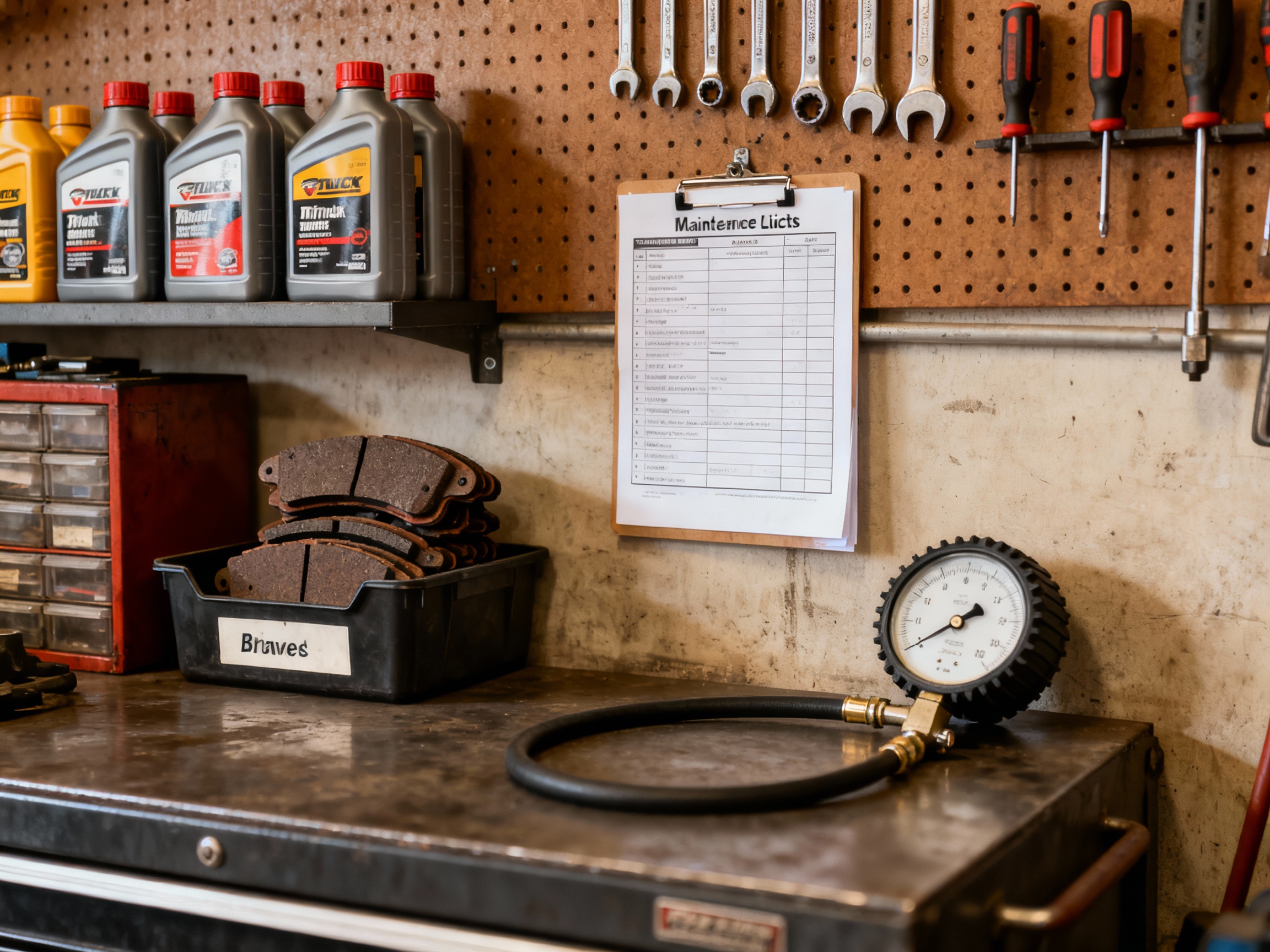
Essential tools for maintaining your truck effectively.
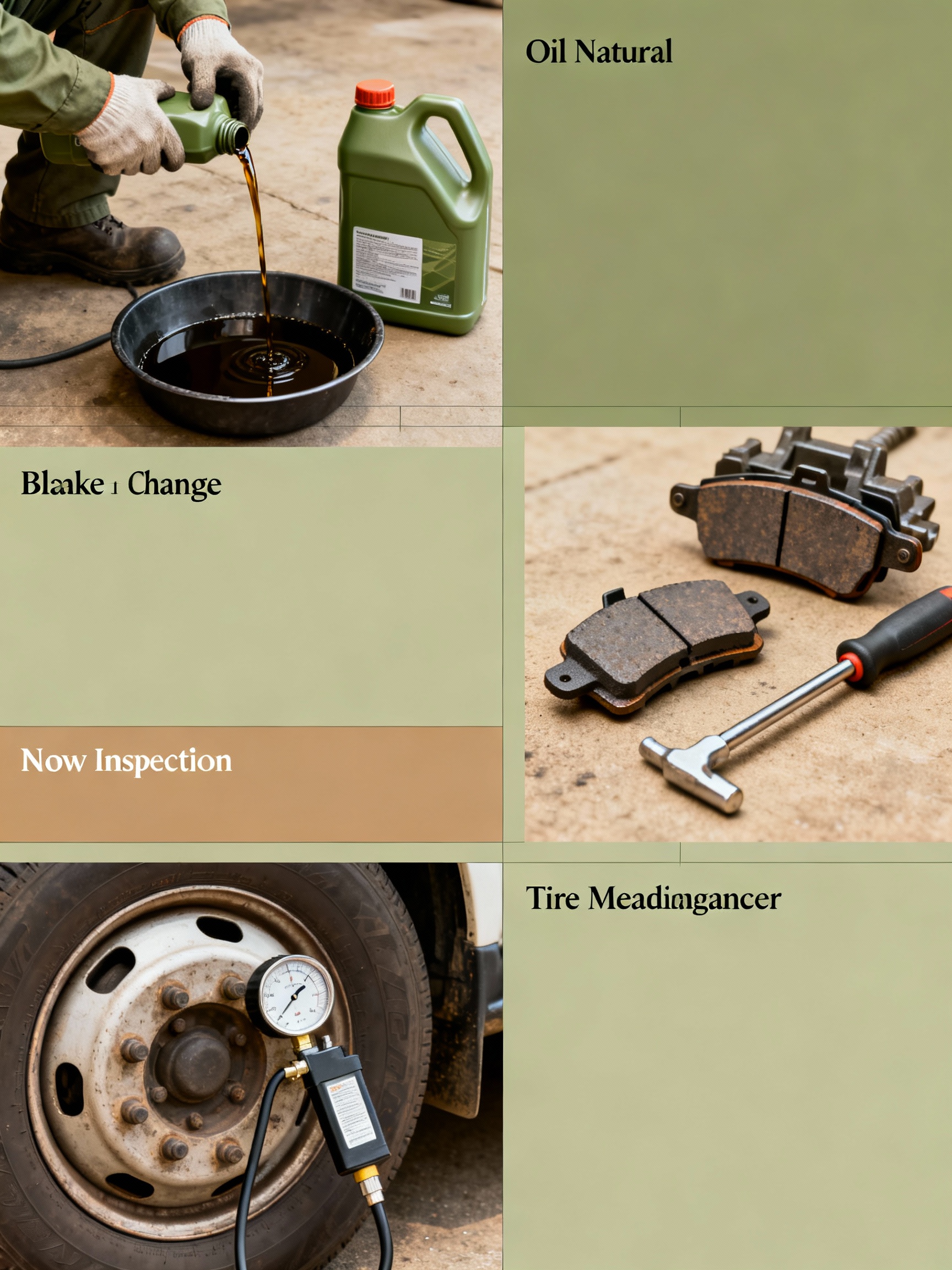
Important tasks for keeping your truck in top shape.
These practical tips help equip first-time truck owners to take charge of their vehicle maintenance, minimizing the risk of unexpected expenses down the road. Regular attention to maintenance is not just about following a checklist; it means gaining confidence in managing your truck responsibly and enjoying the ride with fewer worries.

A visual representation of a piggy bank filled with truck-related expenses to illustrate financial management for first-time truck owners.
Conclusion
In conclusion, embarking on truck ownership for the first time is an exciting journey coupled with major financial responsibilities. To navigate this landscape effectively, it is essential to develop a comprehensive budget covering insurance, maintenance, fuel, and unexpected repairs.
Establishing an emergency fund is among the most critical strategies for managing unforeseen expenses, such as sudden tire replacements or engine repairs. Allocating a portion of your income toward this reserve can help avoid financial stress and prevent the need for debt during emergencies.
Moreover, staying informed about the ongoing costs of truck ownership and engaging in regular maintenance can significantly reduce the likelihood of unexpected repairs. By prioritizing financial health and embracing proactive planning, first-time truck owners can embark on this new adventure with the peace of mind that comes from being prepared for both the road ahead and their finances.
The Impact of Truck Upgrades on Resale Value
When considering truck ownership, it’s essential to think about how upgrades can impact the truck’s resale value. Strategic upgrades not only improve functionality and aesthetic appeal but can also serve as worthwhile investments that enhance marketability when it’s time to sell or trade-in.
One primary upgrade that often appeals to potential buyers is a quality towing package. For many truck owners, towing capabilities are a crucial selling point. Trucks equipped with higher towing capacities, better suspension systems, and upgraded brakes can attract buyers looking for performance. Similarly, adding features like bed liners, toolboxes, or cargo management systems showcases the truck’s versatility and readiness for utility. These upgrades can lead to a higher resale value compared to standard models.
Another impactful upgrade is improving the vehicle’s technology features. Modern buyers often prioritize trucks that offer advanced infotainment systems, connectivity options, and safety features such as lane assist and adaptive cruise control. In a competitive market, these tech upgrades can differentiate your truck from others, often translating into a higher selling price.
Cosmetic upgrades, while sometimes seen as less critical, can also play a role in resale value. A fresh paint job, upgraded rims, and even a well-maintained interior can enhance visual appeal, making the truck more attractive to buyers who may not look beyond surface-level impressions. A clean, well-kept truck may yield a better offer than a neglected one, highlighting the importance of routine care.
However, it’s necessary to weigh the costs of these upgrades against the potential resale value increase. Responsible financial management involves creating a budget for upgrades and understanding how much value each one is likely to add. In some cases, investing in certain upgrades might not yield a high return on investment—such as rare custom features that only appeal to a niche market. Conducting market research before committing to upgrades is vital to ensure that the enhancements align with buyer preferences in your region.
In summary, upgrading a truck can significantly affect its resale value. When done thoughtfully, these modifications can enhance the truck’s appeal, driving up its market value when it’s time to sell. First-time truck owners should consider the balance between initial investment costs and potential returns when planning for upgrades, ensuring that their financial management practices reflect their long-term goals.
Managing Financial Challenges and Ownership Costs
As you learn to budget for your truck, remember that unexpected repairs are a reality every truck owner faces. It is essential not only to account for routine maintenance but also to prepare for surprise expenses that can arise. This foresight helps you approach truck ownership with confidence and stability.
To effectively manage the financial aspects of truck ownership, it is crucial to have comprehensive knowledge about the average costs associated with your vehicle. Understanding these ownership costs can help you allocate your budget specifically to recurring expenses while preparing for those unforeseen repairs that could disrupt your financial planning.
Cost Comparison Table
Below is a detailed comparison of the average costs associated with managing various truck types, which will help new owners gain a better understanding of the financial aspects related to truck ownership.
| Expense Type | Light Duty Truck | Medium Duty Truck | Heavy Duty Truck | Class 8 Truck |
|---|---|---|---|---|
| Insurance | $1,200 – $2,500 | $2,500 – $4,500 | $4,500 – $8,000 | $12,000 – $25,000 |
| Maintenance | $500 – $1,500 | $1,500 – $4,000 | $4,000 – $8,000 | $15,000 – $25,000 |
| Fuel | $1,200 – $2,200 | $2,200 – $4,000 | $4,000 – $8,000 | $45,000 – $70,000 |
| Registration | $100 – $300 | $300 – $600 | $600 – $1,200 | $2,000 – $5,000 |
Understanding these estimates will assist first-time truck owners in planning their finances effectively and ensuring they account for essential costs involved in truck ownership.
Real Experiences of First-Time Truck Owners
One first-time truck owner shared their emotional experience regarding unexpected repairs: ‘I saved for years to buy my dream truck, only to have it become a source of constant anxiety. When that $4,200 repair bill came for my transmission, it felt like a punch in the gut—like the dream had turned into a financial nightmare overnight.’
This highlights the importance of emotional preparedness and proactive budgeting as you navigate your truck ownership journey.