
Understanding financing options is critical for individuals and businesses looking to purchase vehicles. Among these options, Elements Financial stands out by offering 84-month auto loans, which can provide flexibility and affordability for car buyers, dealerships, and small business fleet managers. This article delves into Elements Financial’s offerings, the implications of longer loan durations, and how to navigate the application process effectively. Each section reveals essential insights, ensuring that readers are informed and empowered to make the best choices regarding their auto financing needs.
The 84-Month Question: Unpacking Elements Financial’s Long-Term Auto Financing and What It Means for Buyers

Lenders use the duration of a loan as a strategic lever, shaping monthly obligations and the long arc of repayment. The dialogue around 84-month auto financing sits at the intersection of affordability and risk. On one side, longer terms can push monthly payments down, making car ownership feel more accessible in a given month. On the other, they lengthen the time a borrower shares the car’s depreciation with the lender, increasing the chance of being underwater—owing more on the loan than the car is worth—at some point during the life of the loan. This tension lies at the heart of the debate about whether a horizon of seven years or more is a prudent path for most buyers. When the topic centers on a specific lender, the stakes rise: a single institution’s policy can illuminate broader industry practices, while still leaving room for exceptions based on risk appetite, regulatory constraints, and the specifics of a borrower’s credit profile.
The public record on this particular lender’s auto financing terms creates a brief but telling tension. In one vein, the lender’s own public statements have implied that “other rates and terms up to 84 months are available.” This phrasing, open-ended as it is, suggests the possibility of long-term options beyond the traditional 60-month or 72-month ceilings that have long dominated consumer auto lending. It hints at a flexible approach to financing that could be responsive to the needs and situations of some borrowers—perhaps those whose credit profiles, down payments, or vehicle prices align with a longer amortization schedule. That nuance matters because it signals a willingness, at least in some contexts, to explore longer horizons rather than defaulting to the standard six-year frame.
Yet a closer reading of the available, more detailed results paints a different picture. In practice, the lender does not actively advertise or emphasize 84-month auto loans. The typical, widely publicized terms appear to cluster around up to 72 months, a design choice that aligns with common industry wisdom: shorter terms reduce the borrower’s total interest paid and curb the risk of negative equity. The discrepancy between a broad, marketing-oriented statement and the more conservative, term-focused disclosures matters for readers who rely on official sources for decision-making. It’s a reminder that surface-level promises can coexist with more conservative underwriting realities, and that the exact terms available to any given applicant may hinge on the applicant’s creditworthiness, the vehicle’s price, and the lender’s current policy stances.
From a consumer perspective, the practical implications of an 84-month option—or the absence of one—are meaningful. A longer loan can lower monthly payments to a level that fits tighter budgets, enabling a buyer to finance a more expensive vehicle or to keep monthly obligations aligned with other financial commitments. The math is straightforward: lower monthly outlays come with a longer repayment period and greater total interest. The borrower ends up paying more over the life of the loan, even as the price tag on the monthly bill looks friendlier. The longer horizon also carries a higher risk that the car will depreciate more quickly than the loan balance declines. The car’s market value can drop below what remains owed, creating negative equity that can complicate future refinancing, trade-ins, or the decision to sell.
This dynamic is not a moral indictment of longer terms but a financial calculus that requires careful weighing. The advantages—lower payments, greater flexibility, and the potential to align monthly debt service with other variable costs—must be balanced against the costs: higher total interest, extended exposure to depreciation, and a longer period during which the asset sits in the borrower’s name while it loses value. The decision is especially sensitive for buyers with limited down payments or those purchasing vehicles with steep initial depreciation. In such scenarios, an 84-month structure can magnify equity concerns, because the loan may outlive the vehicle’s peak value at several points along the amortization schedule.
Beyond the numbers, the decision to pursue or reject a long-term financing option also reflects attitudes toward ownership certainty. Some buyers prefer the predictability of a shorter term, where the loan is scheduled to be paid off sooner, freeing up cash flow and reducing the window of exposure to maintenance surprises or shifts in personal finances. Others may value the cost of capital in a broader sense—opportunity costs, liquidity considerations, and the possibility of refinancing down the line if interest rates move in a favorable direction. The lender’s role in this equation is not merely to quote a rate; it is to align the term with the borrower’s overall financial strategy, a nuance that often emerges in conversations that extend beyond the initial application.
In discussing the state of play for this lender, it’s important to ground expectations in the current landscape. The availability of an 84-month option can seem alluring in theory, but actual practice varies. The lender’s own materials suggest that long-term options exist in some capacity, yet the more explicit, widely communicated terms point to a cap of up to 72 months in standard offerings. Readers should interpret these signals as a reminder that financing terms are not fixed values etched in stone; they are contingent, negotiable, and highly dependent on context. A borrower who sees a headline promising long terms should drill down into the details: what APR accompanies the term, what fees apply, whether there are prepayment penalties, and how the total interest cost compares to a shorter-term alternative.
The broader implications extend beyond the individual loan. When lenders advertise longer terms, they implicitly influence consumer expectations around what “affordable” means in the context of car ownership. A culture that normalizes extended terms can, over time, recalibrate how people think about price, payment, and equity. It can also shape vehicle selection—encouraging buyers to stretch for newer, more expensive models or to finance features and trim levels they might otherwise forego. In turn, this shifts demand curves, affects residual values, and updates risk profiles for lenders who underwrite such loans. That is why the distinction between advertised possibilities and actual, widely available terms matters for policy-minded readers and for ordinary shoppers alike.
To navigate this landscape with clarity, prospective borrowers should anchor their decision in a careful, numbers-first approach. Start with a baseline: what is the car’s price, the down payment, and the expected trade-in value? Then compare two scenarios: a standard term the borrower is comfortable with—say 60 or 72 months—and a longer horizon, if offered, accompanied by a realistic APR. It is not enough to consider monthly payment in isolation. The total cost of the loan and the duration of ownership both carry weight in the decision. A lender might present a low top-line monthly figure, but without disclosing the path of interest accrual over time, the full cost remains obscured. Borrowers should request a complete amortization schedule that shows principal and interest portions across the life of the loan, along with any fees that would alter the total outlay.
For readers who want to place these considerations in a broader financing context, it can be helpful to connect the auto loan decision to the larger discipline of asset ownership and fleet management. While individuals often focus on personal budget impacts, many of the same principles apply when organizations finance vehicles for operations, deliveries, or service fleets. In such cases, the balance between affordability and ownership cost becomes even more complex, because depreciation, maintenance, and utilization rates interact with loan terms. A useful bridge to this larger discussion is to examine how financing decisions influence total cost of ownership over time, including how they interact with cash flow planning, tax implications, and the strategic choice to own versus lease. For readers exploring these broader implications, a practical resource that frames these considerations from a fleet and ownership perspective is available here: Managing Truck Ownership Finances.
Across the arc of this inquiry, the key takeaway is balanced prudence. If an 84-month option exists in any meaningful way, it should be pursued only after a careful assessment of total cost and equity risk, not merely the allure of a lower monthly payment. For many buyers, a shorter term—paired with a sensible down payment and a competitive APR—will yield a more favorable financial outcome by reducing the risk of negative equity and minimizing interest expense over the life of the loan. The availability of longer terms does not automatically justify their use; it merely expands the toolkit a borrower can draw from when tailoring a financing plan to personal circumstances.
As readers weigh these considerations, they should verify current information with official sources to avoid surprises. The lender’s official auto loan information page offers the most authoritative snapshot of what is actually on the table today. It is essential to confirm whether any advertised long-term options remain available, and under what conditions those terms apply. In addition, engaging with a trusted financial advisor or a representative can help translate the numbers into a plan that aligns with personal goals, risk tolerance, and long-term ownership strategy. Keeping a clear-eyed view of trade-offs—the better monthly payment versus higher total cost, the prospect of negative equity, and the potential for future refinancing—helps readers make informed decisions that extend beyond the next few years of monthly bills.
For readers who want to situate this decision within a broader industry context, it’s worth recognizing that the landscape around long-term financing continues to evolve. Some lenders experiment with product variations, promotional offers, or exceptions that ripple through consumer markets. Others maintain a more conservative stance, reinforcing the idea that shorter terms, when paired with prudent down payments and fixed-rate pricing, often deliver superior outcomes over the life of the loan. The real aim is not to chase a universal rule about term length, but to tailor a financing strategy that fits the buyer’s circumstances, while maintaining awareness of how depreciation, interest, and payments interact over time.
External resources can provide further insight into how these dynamics play out in practice. For a comprehensive look at current offerings and terms, readers may consult official lender information. External resource: https://www.elementsfinancial.com/auto-loans.
Long-Term Auto Financing: Navigating Duration, Terms, and the Real Cost
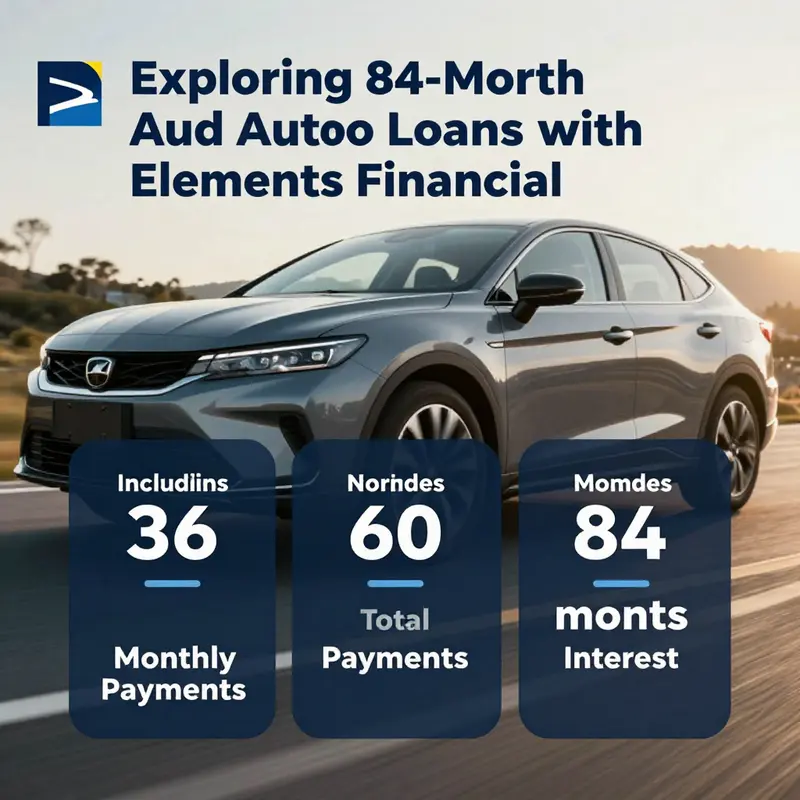
When borrowers weigh auto financing options, a recurring question centers on how long a loan should last and what terms are realistically available. In many markets, lenders advertise long term options as a way to shrink monthly payments, sometimes extending to seven years or more. The allure is simple: a smaller monthly bill can fit a tighter budget and make a newer vehicle feel affordable. Yet the appeal obscures trade offs that deserve careful scrutiny. A seven year or longer term can dramatically alter the overall cost of the loan, the pace of depreciation, and the borrower’s equity in the vehicle. Understanding these dynamics is essential for anyone weighing extended financing, even before any lender is considered. The questions behind duration and terms are about how debt behaves over time, how depreciation tracks with amortization, and how future plans align with present payments. In essence, long term auto financing is a tool that can cushion a monthly budget or complicate a borrower’s financial trajectory, depending on how it is used and what follows after the loan is issued.
The first principle to grasp is what a long term means in practice. When a loan spans seven years, the monthly payment is lower because the principal is spread over more payments. But the feature that lowers the monthly obligation also increases the total interest paid over the life of the loan. The math is simple in principle: longer exposure to borrowed funds means more time for interest to accumulate, even if the rate is modest. That relationship holds across most lenders and most vehicle types. The real world consequence is not just a larger sum total paid to borrow the same car; it is a slower pace of building equity in the vehicle, and the possibility that the vehicle outlives the loan in terms of value. Cars typically lose value quickly in the first few years, sometimes outpacing the pace of principal repayment. When depreciation outstrips repayment, a borrower can find themselves underwater on the loan, owing more than the car is worth if they decide to sell or trade in before the term ends. This risk is not hypothetical; it is a practical consideration for anyone contemplating an extended term, especially if the vehicle’s usage or market value can be uncertain or volatile.
Lenders rarely offer terms in a vacuum. They price risk, and the length of the loan is a carrier of risk. Longer terms tend to come with higher annual percentage rates, although the effective rate you see can be influenced by fees, down payment, and the specific borrower profile. A borrower with robust credit may access relatively competitive rates even on longer terms, but even these favorable rates translate into a larger aggregate cost than a shorter term with a similar rate environment. Conversely, borrowers with thinner credit profiles may see a steeper rate bump on extended terms, compounding the cost disadvantage of stretching payments over more years. All of this underlines a crucial point: the decision to pursue a long term should be anchored not merely in monthly affordability but in a careful assessment of how the full price of the loan meshes with one’s broader financial plan.
The practical implications extend into everyday life beyond the payment schedule. A longer loan often means a longer period during which changes in income, household financial obligations, or interest rates can affect the ability to keep up with payments. If circumstances shift, the cost of refinancing or restructuring that debt can rise, particularly if the vehicle has suffered steep depreciation or if the borrower has credit deterioration. In addition, the relationship between loan term and insurance costs matters. Some lenders and insurers look at the loan balance when calculating coverage needs, and a higher balance can influence premium levels or the depth of protection required. In short, long term financing situates a borrower inside a longer financial spiral, with consequences that ripple across credit health, insurance, and even the vehicle’s ownership experience.
A related reality is the potential for negative equity, sometimes described as being upside down on the loan. This occurs when the car’s market value falls beneath the outstanding loan balance. With a long term loan, the horizon for recouping value through systematic depreciation and timely principal payments is extended. If future plans involve trading in or selling the vehicle before the loan is fully paid, the mismatch between loan balance and vehicle value can be painful. This scenario is not inevitable, but it is more plausible with extended terms, especially if the car is purchased new or if mileage rises quickly. For households balancing a tight budget with ambitious goals, the risk of ending up with a loan that exceeds the vehicle’s value can influence decisions about vehicle choice, down payment size, and the likelihood of keeping the car for a shorter period than the loan term.
Given these realities, what should a prospective borrower do when confronted with long term options? The simplest form of guidance is pragmatic and proactive. Start with a clear sense of what you can comfortably pay each month, not just what the lender is willing to offer. Build a simple total cost picture that includes the interest you will pay over the life of the loan, any origination or processing fees, and potential differences in down payment. Then compare the long term option against shorter term offers, using a side by side analysis that includes the amortization schedule. The amortization schedule shows how much of each payment goes toward interest versus principal over time and how the loan balance declines month by month. When you can see the structural differences, you get a more reliable sense of whether the lower monthly payment is a price worth paying for the extra years of debt. If possible, push for a realistic down payment that reduces the balance at the outset, which can dramatically improve the odds of staying above water if depreciation proves brisk in the early years. A larger down payment also tends to improve the overall cost of the loan, even when the term is long, by reducing interest accrual and establishing a stronger equity position from the start.
As you run comparisons, remember that the true cost of auto financing goes beyond the stated rate. Fees, prepayment terms, and any penalties for early payoff can tilt the economics in favor or against a long term. Some lenders indeed restrict prepayment or impose penalties for paying off a loan early, while others allow flexible early payoff without extra charge. If you anticipate at any point wanting the option to finish payments ahead of schedule, verify the specific contract terms and discuss them with the lender. The ability to accelerate payoff can be a meaningful way to cut interest costs, especially if your income grows or if you receive windfalls that you want to apply to debt. In short, the value of a long term loan hinges as much on your capacity to manage and adapt the debt as on the rate alone.
While a long term financing strategy can work for some, it is not the only path toward vehicle ownership. If the objective is to minimize total interest and maximize the opportunity to upgrade to newer technology or to a more efficient vehicle within a shorter period, a shorter term paired with a solid down payment often serves better. The choice of term should align with personal life plans, planned ownership duration, and risk tolerance. If you expect to keep the vehicle for a relatively short period, a longer term might complicate resale decisions or refinance options, whereas someone who intends to own the vehicle for a long stretch might find a longer term acceptable provided the total cost is carefully managed. The decision is highly personal, and it should be grounded in a comprehensive financial assessment rather than a single monthly payment figure.
For readers seeking broader context on how financing decisions intersect with ownership costs, consider exploring resources that discuss how debt interacts with vehicle ownership and cash flow. For a practical perspective on incorporating long term financing into a broader ownership strategy, see Managing Truck Ownership Finances. This link offers additional angles on how loan choices influence total cost of ownership, maintenance planning, and long term financial resilience, even when the asset is a vehicle used for work or business purposes.
Finally, it is important to acknowledge the limits of any single source when evaluating specific offers. The available information may describe generic patterns without revealing the exact terms, rates, and eligibility criteria that a given lender would apply. Since terms can vary significantly by borrower profile, vehicle type, and regulatory environment, the next practical step is to consult the lender directly or review the official disclosures they provide. The inquiry should target the specifics of duration up to 84 months, the exact APR structure, any fees, and how prepayment is handled. These are the details that ultimately determine whether a long term option fits your budget and your plans. As you gather information, keep in mind that general principles about longer terms paying more in interest, the risk of depreciation, and the potential for negative equity will remain consistent across credible lenders, even as the numerical specifics differ.
If you want further guidance grounded in consumer finance perspectives, an external resource offering practical insight into auto loan terms and consumer rights can provide additional clarity. External resource: https://www.consumerfinance.gov/articles/auto-loans-what-to-know/
Stretching the Term: The Real Costs and Considerations of 84-Month Auto Loans

84-month auto loans are often pitched as a way to lower monthly payments, but they come with trade-offs. Extending the term lowers monthly burden by spreading the principal over seven years, but it also increases the total interest paid and ties you to the loan longer. The car may depreciate faster than you build equity, creating a risk of being underwater if the car’s value drops or if you total the vehicle. Longer terms can obscure how much you ultimately pay and can make it harder to refinance or trade in without incurring more debt. Maintenance and reliability concerns persist regardless of term length; a longer loan means more time for potential repair costs to accumulate and for the vehicle to age. From a liquidity standpoint, a lower payment preserves cash flow but can delay debt payoff and reduce your capacity to save for other goals. The key to decision-making is a comprehensive financial review: compare total ownership costs, assess how long you plan to keep the car, and consider how the loan interacts with other financial priorities like emergency savings, retirement contributions, and future borrowing power. If you decide to pursue an 84-month loan, factor in a plan for paying extra toward principal when possible, monitor depreciation against outstanding balance, and remain open to refinancing or trading in for a shorter term if your circumstances change.
Seven-Year Paths to Ownership: Weighing 84-Month Auto Loans in a Shifting Car Market
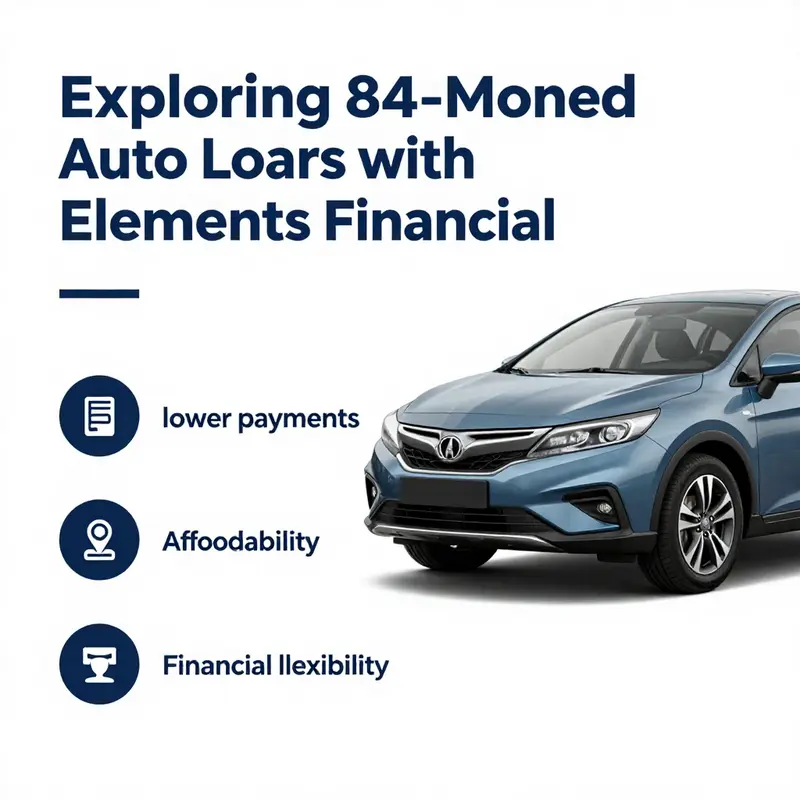
When car prices rise and monthly budgets tighten, borrowers often encounter a familiar crossroads: how long should the loan be to balance affordability with long-term financial health? An 84-month auto loan, stretching seven years, has moved from the fringe to a more common option in a market where sticker prices continue to climb and loan products proliferate. This extended term can reshape the entire purchasing experience, making a vehicle more affordable on a month-to-month basis while also introducing meaningful trade-offs that extend far beyond the first year of payments. The decision to pursue an 84-month term is not simply about a lower payment; it is a strategic choice that intertwines depreciation, interest costs, personal risk tolerance, and future flexibility. As you consider this path, it helps to view the decision through a holistic lens, recognizing both the fiscal relief and the potential costs that accompany a seven-year financing commitment. The concepts are not bound to a single lender or a single type of borrower. Rather, they reflect a broader evolution in auto financing, one that aligns with a market where price signals and credit criteria have become more nuanced and, for some, more accessible through flexible underwriting. For readers exploring how term length fits into overall financial planning, a concise overview is available in the knowledge resources that accompany this discussion. knowledge
Lower monthly payments are the most immediate and tangible benefit of an 84-month loan. Spreading the cost of the vehicle over seven years reduces the amount due each month, often dramatically. This reduction can make a vehicle with desirable features appear within reach when shorter terms would push the monthly outlay beyond what a household is comfortable paying. In practical terms, a smaller monthly obligation can free up cash for essential expenses, emergency savings, or debt payoff strategies that strengthen overall financial resilience. The effect is not simply about the number on the payment slip. It changes how you think about affordability, enabling a buyer to align a vehicle purchase with a broader budget that includes housing costs, education, retirement planning, and unexpected life changes. When the monthly hurdle is lowered, the opportunity to choose a vehicle that better fits lifestyle and reliability needs appears more achievable. Yet, with every dollar saved on the monthly payment, there is a corresponding obligation to scrutinize the total cost that accrues over the life of the loan. The longer the term, the more interest accumulates, and the cumulative cost can overshadow the initial relief, especially if the loan is held to term or beyond.
The widening gap between sticker prices and household income has pushed more buyers toward financing strategies that extend beyond the typical four- to six-year window still common a decade ago. An extended term can enable access to higher-end trims, safer technology, and more robust warranties that might otherwise be out of reach. This dynamic can be particularly appealing for buyers who value modern comfort, advanced safety features, and enhanced performance as core elements of their vehicle choice. The longer term helps translate aspirational features into tangible ownership, but it also means committing to a loan that remains active for a larger portion of the vehicle’s life. In such cases, buyers should weigh the difference between initial affordability and the long-term financial commitment. A seven-year horizon means that even minor shifts in interest rates or changes in personal financial circumstances can influence the total cost and the overall payoff trajectory in ways that are more pronounced than with shorter terms. The long arc of repayment can also interact with the vehicle’s depreciation curve, which, in the first few years, typically outpaces equity growth for many models. This reality reinforces the importance of a careful cost-benefit analysis before locking into an 84-month agreement.
Beyond mechanical affordability, there is a broader conversation about qualifying for extended terms. In a market where lenders offer flexible underwriting, an 84-month loan may be available to borrowers with a range of credit profiles, including those who may not meet the stricter criteria of traditional lenders for shorter terms. The practical implication is that buyers with varying credit histories can access financing that makes sense within their unique financial situations. However, flexibility in underwriting does not equal a free pass on cost. Interest rates for longer terms tend to reflect the additional risk lenders assume by extending a loan over a longer horizon. Even when the credit picture is cooperative, longer terms can carry higher interest rates, and that premium compounds over the life of the loan. This is one of the core reasons why the decision to pursue an 84-month loan should be rooted in a thorough cost evaluation, not merely in the appeal of a lower monthly payment. For readers who want a clearer map of how term length intersects with broader financial planning, there are resources that detail how debt terms fit into a comprehensive strategy. knowledge
The application process for extended terms also tends to be more streamlined in today’s digital environment. Many lenders offer online applications, fast pre-approvals, and quick decisioning, which can accelerate the process of securing an 84-month loan and moving into a shopping phase with a clearer sense of affordability. In a high-demand market where time-to-ownership can influence vehicle selection, the ability to obtain rapid approval is a meaningful advantage. Yet, speed should not outpace diligence. A speedy approval is not a substitute for a deliberate assessment of total cost, vehicle depreciation, and alignment with personal long-term goals. It remains essential to examine the monthly commitment, the interest accrual pattern, and potential fees that could color the overall financial picture as the loan unfolds. Maintenance costs, insurance premiums, and the possibility of required repairs during a seven-year timeframe add layers of reliability risk that can subtly shift the true affordability of the arrangement. The peace of mind that comes from a smooth application should be balanced with a careful forecast of ongoing ownership costs and a plan for handling unplanned expenses that may arise as the loan ages.
Another practical dimension of 84-month financing is the potential for early repayment without penalties. Some lenders permit borrowers to make extra payments or pay off the loan ahead of schedule without incurring prepayment penalties. This flexibility can transform the long-term cost equation. If, over time, a borrower’s income improves, or if a windfall becomes available, paying down the loan early can reduce the amount of interest paid and shorten the overall debt tenure. The ability to accelerate equity build-up is particularly attractive in a seven-year cycle, when the vehicle’s value may begin to fall below remaining loan balances in earlier years, followed by a slower depreciation trajectory in later years. The actual impact will depend on the specific terms of the loan agreement, including how prepayment interacts with any potential recycling of interest payments or re-amortization schedules. For those who foresee the possibility of extra funds becoming available, this feature can be a meaningful hedge against the downside of longer terms. It remains crucial, however, to verify whether early payoff options exist and whether any caps or fees might limit the effectiveness of prepayments over time.
The most consequential consideration when choosing an 84-month term is the total cost of ownership over the life of the loan. The lower monthly payment can be a compelling short-term benefit, but over seven years, the interest paid can be substantial. This is not merely a mathematical exercise; it shapes financial flexibility in the mid- to long term. The longer the loan, the more exposure you have to potential shifts in interest rates, insurance costs, and maintenance expenses. Additionally, the risk of negative equity—owing more on the loan than the car is worth—tends to be more pronounced in the initial years of an extended term. If the vehicle depreciates faster than the equity you accumulate, selling or trading the car before the loan is fully paid could result in a financial loss that extends beyond the purchase. For many buyers, this reality underscores the importance of a robust plan for potential future scenarios, including job changes, relocation, or unexpected expenses. A practical approach is to model various outcomes with a structured framework that considers depreciation, insurance, maintenance, and the likelihood of a refinance or a trade-in before the loan matures. This proactive perspective helps ensure that an 84-month decision does not become a misaligned financial commitment.
In weighing these considerations, a careful buyer often uses a decision framework that integrates price, value, and risk. Start with the vehicle’s total cost of ownership, including taxes, registration, insurance, maintenance, and expected fuel expenses. Then compare this baseline against the total payments across the life of the loan, adjusted for the present value of money. Consider the impact of a substantial down payment, which can lower not only the loan amount but also the risk of negative equity in the early years. A substantial down payment can also improve the odds of maintaining positive equity as the loan ages, helping to insulate against depreciation and market shifts. It is equally important to explore alternative financing options, such as shorter-term loans with higher monthly payments and lower total interest, or even leasing in certain circumstances where vehicle turnover is high and maintenance costs are a concern. The key is to align the choice with personal priorities: steadier cash flow, access to premium features, or the flexibility to adapt to changing financial circumstances. The path to ownership through an 84-month term becomes a matter of timing and intention—how soon you want to own the vehicle outright, how much risk you are willing to absorb with depreciating equity, and how confident you are in your future financial trajectory.
Ultimately, the decision to pursue an 84-month auto loan hinges on a balance between affordability and ownership certainty. The lower monthly payments can make a desired vehicle more accessible, yet the extended horizon lengthens the period during which market conditions and personal finances can shift. For some buyers, the trade-off is entirely rational: the ability to secure a higher-trim model with better features at a payment that fits now, with a plan to reassess and adjust as they gain more financial clarity in the years ahead. For others, the hidden costs—accumulated interest, the risk of negative equity in the early years, and the longer exposure to a single vehicle’s depreciation path—may outweigh the immediate relief. The path is not universally right or wrong; it is situational, requiring thoughtful forecasting, disciplined budgeting, and a clear picture of long-term goals. For readers who want to deepen their understanding of how term length can fit into a broader financial strategy, the linked knowledge resource offers practical context and planning tips as you navigate this decision. knowledge
External reference for further terms and context: https://www.elementsfinancial.com/auto-loans
Seven-Year Terms, Clear Criteria: Navigating Eligibility and the 84-Month Auto Loan Path
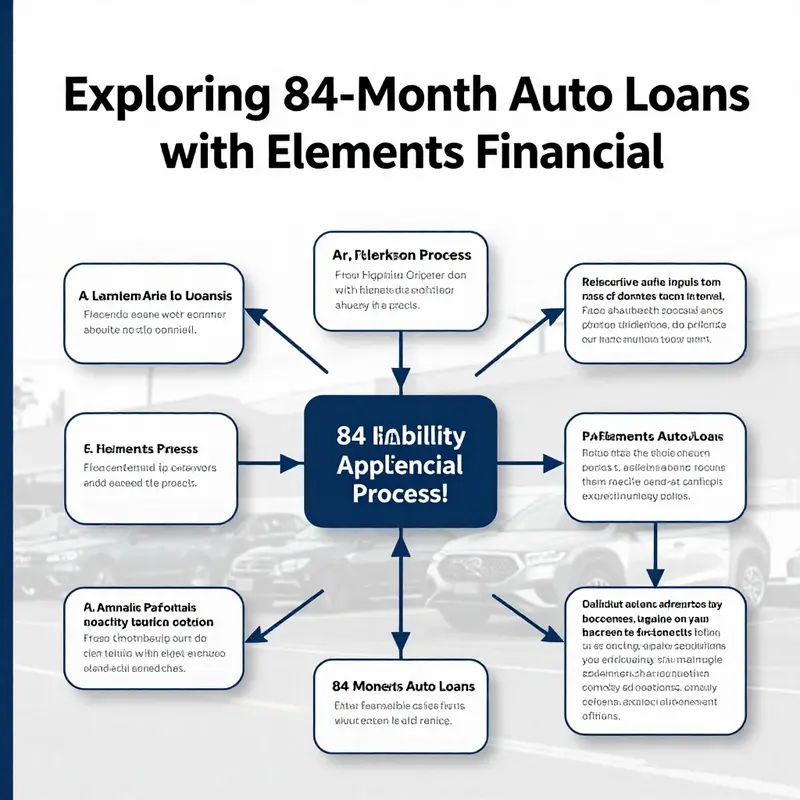
Choosing an 84-month auto loan reshapes the price tag of a car. The seven-year repayment window can make monthly payments easier to manage, but it changes the economics in meaningful ways. Lenders who publish up to 84 months show a willingness to accommodate longer term financing. Yet the specific terms offered vary by the borrower’s credit profile and the vehicle selected. The core idea is straightforward: you can spread the cost over more time, but you pay more interest over the life of the loan and you carry the car longer on your books. For many buyers this is a trade off worth considering, especially if cash flow is the primary constraint.
Eligibility for an extended term tends to hinge on a few reliable indicators. Applicants generally benefit from a good to excellent credit score, with 680 or above often described as the baseline for favorable treatment. Some lenders exercise flexibility for borrowers with particular strengths or compensating factors, but higher scores tend to correspond with better rates and more favorable terms. Stable income is another cornerstone. Lenders want assurance that monthly payments can be met over the life of the loan, even as the vehicle ages and maintenance costs rise. The vehicle itself must align with the lender’s guidelines, and for financing in this term range, many programs favor newer vehicles or used cars from model years in the 2018 to 2024 window. This helps ensure that depreciation won’t outpace amortization too aggressively and that the vehicle remains a reasonable collateral for the loan. The loan-to-value ratio, or LTV, is another practical limiter. In general, the amount borrowed should not exceed a particular percentage of the vehicle’s value, with typical thresholds hovering around 90 to 100 percent depending on the borrower’s credit and other underwriting considerations. Those thresholds acknowledge that in a long loan, the balance between what is owed and what the car is worth can swing significantly as the vehicle ages.
The application path for an 84-month loan is designed to be straightforward, though the details you provide and the documents you submit will shape the final terms. Applications can usually be initiated online or at a local branch, reflecting a blend of digital convenience and personal support. The process often unfolds in a sequence that begins with a pre-approval inquiry. In this stage you share basic personal information and financial data, including your income and the amount you hope to borrow. A quick review helps both you and the lender gauge whether you are in a position to pursue funds under an extended term. After pre-approval, the next step is documentation. You’ll typically provide proof of income such as recent pay stubs or tax returns, government or state-issued identification, and details about the vehicle you intend to purchase. Vehicle specifics can include the VIN and a copy of the purchase agreement or a dealership quote. This documentation allows the lender to verify income stability, confirm the vehicle’s value, and assess the risk profile associated with the loan.
Once the application is thoroughly reviewed, you’ll receive a loan offer that sets out the key terms. The offer should clearly outline the interest rate, the monthly payment, the total amount repaid over the life of the loan, and the term length—up to 84 months in this category. If the terms align with your budget and goals, you can sign the loan agreement electronically or in person. The final step is coordinating the closing with your dealership or private seller, ensuring the loan is funded and the vehicle title is properly assigned. Importantly, the path from pre-approval to funding can vary by lender and by the specifics of the vehicle, so it helps to stay in close contact with the lender during each stage and to keep your credit profile stable throughout the process.
There are important considerations that deserve attention as you weigh an 84-month option against shorter terms. The most fundamental trade-off is the balance between lower monthly payments and higher total interest. Spreading payments over seven years reduces the amount you must pay each month, which can ease monthly budgeting. But because interest accrues over a longer period, the total interest you end up paying tends to rise. That difference can be substantial over the life of the loan. Another factor to monitor is depreciation. With a longer term, there is a greater chance that the car’s value falls below the remaining loan balance at some point in the payoff period. This situation, often called negative equity, can complicate refinancing or trading in the vehicle later. Insurance costs may also remain higher for longer, given the extended ownership period and the value of the vehicle over time. Maintenance needs typically rise with age, so the long horizon of an 84-month loan can translate into a longer span of higher maintenance and repair costs.
The decision framework for these loans also depends on personal plans for the vehicle. If you expect to keep the car for many years and want predictable, low monthly payments, the 84-month option can fit a deliberate budget. If, however, you anticipate upgrading within a few years or prefer minimizing total interest even at the cost of a higher monthly payment, a shorter term can be more attractive. The choice is profoundly personal and hinges on cash flow, risk tolerance, and how you project your transportation needs over the coming years. In practice, this means comparing not only the monthly obligation but the entire cost of ownership, including taxes, fees, insurance, and routine maintenance. The documentation that accompanies the loan offer often reminds borrowers that other rates and terms up to 84 months are available, underscoring that the precise numbers vary with credit, vehicle type, and other underwriting details.
For readers seeking a broader financial context, it helps to consider how long term financing fits into overall personal finance strategy. A longer term can be a tactical tool when cash flow is tight or when funds can be redirected toward higher-return uses. Yet it also tightens future options by tying up resources in a depreciating asset. The underlying principle is balance: weigh immediate affordability against long term cost and risk. The path to a decision is cleaner when you model a few scenarios side by side—for example, a notional 84-month loan against a shorter term with equivalent monthly payments—and examine how much you would pay in total interest and how quickly you would achieve equity in the vehicle.
If you want to situate these considerations within a practical reading list, a knowledge resource on personal finance topics offers broader guidance on credit decisions and loan terms. You can explore relevant material at the knowledge page linked here: knowledge.
Finally, for readers who want to verify the availability and terms directly, the official lending platform provides the most current information on 84-month auto financing options and any program nuances. External resource: https://www.elementsfinancial.com
Final thoughts
Choosing the right auto loan is key to managing your vehicle investment effectively. Elements Financial’s offering of 84-month auto loans presents a unique opportunity for car buyers, dealerships, and small business fleet buyers. From lower monthly payments to flexible terms, understanding these options can lead to smarter financial decisions. As you embark on your vehicle financing journey, consider how Elements Financial can support your needs with their tailored loan products.