
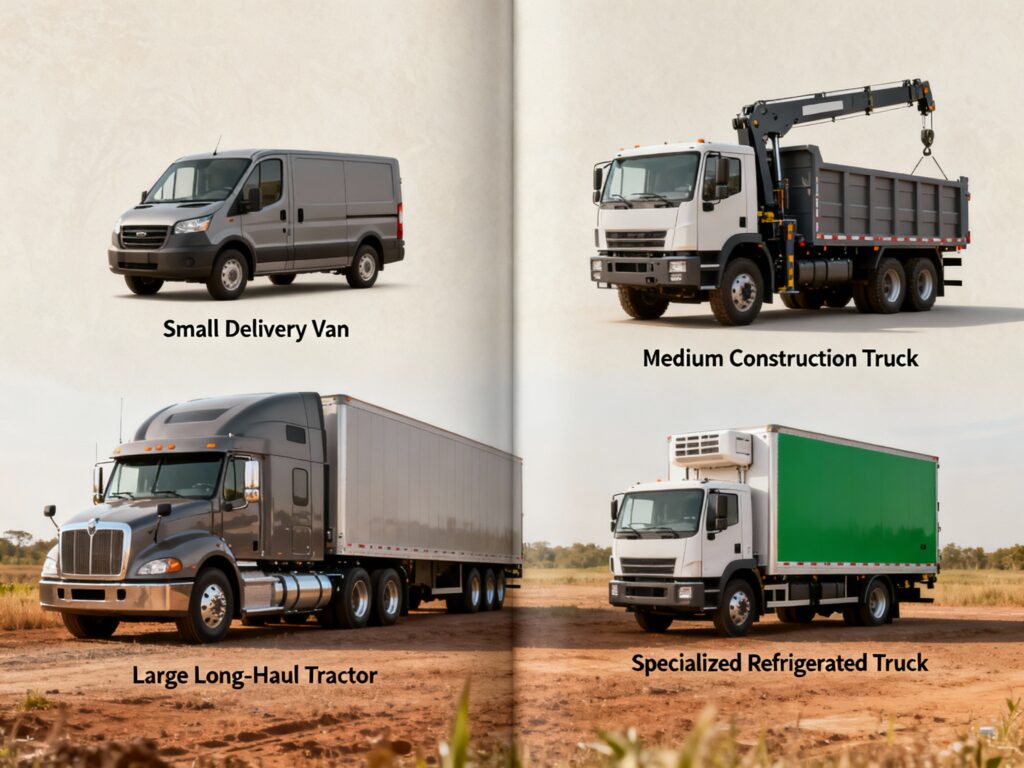
In today’s fast-paced business landscape, the role of commercial vehicles is nothing short of pivotal; they are the lifeblood that fuels logistics and transportation operations, enabling companies to deliver goods and services efficiently. However, the complexities of commercial vehicle regulations can be daunting for business owners and fleet managers alike. From understanding which vehicles fall under specific classifications to complying with federal motor carrier safety regulations, the journey to ensuring the right vehicle selection is fraught with challenges. As you delve into this article, you’ll gain insights into the critical aspects of commercial vehicle regulations, illuminating the path towards compliance and making informed decisions that will impact your business’s operations and growth.
| Truck Class | Gross Vehicle Weight Rating (GVWR) | Types of Vehicles Included | Typical Applications |
|---|---|---|---|
| Class 1 | Up to 6,000 lbs | Vans, small pickups | Light delivery, personal use |
| Class 2 | 6,001 – 10,000 lbs | Smaller delivery trucks, larger vans | Local deliveries, personal vehicles |
| Class 3 | 10,001 – 14,000 lbs | Box trucks, small stake trucks | Freight delivery, moving services |
| Class 4 | 14,001 – 16,000 lbs | Cutaway vans, larger box trucks | Couriers, service vehicles |
| Class 5 | 16,001 – 19,500 lbs | Standard cargo vans, some pickups | Medium delivery, light freight |
| Class 6 | 19,501 – 26,000 lbs | City delivery trucks, flatbed trucks | Urban transport, delivery services |
| Class 7 | 26,001 – 33,000 lbs | Heavy-duty trucks, cutaway buses | Long-haul deliveries, transport companies |
| Class 8 | Over 33,000 lbs | Tractor-trailer combinations | Heavy hauling, long-distance freight transport |

Implications of Truck Use for Commercial Purposes
The classification of a vehicle is deeply intertwined with its intended use in commercial activities. When a truck is utilized for transporting goods, conducting business operations, or any commercial purpose, it typically falls under the umbrella of a commercial vehicle, governed by specific regulatory requirements. Trucks are classified into various categories based on their Gross Vehicle Weight Rating (GVWR), which not only determines their structural capacity but also dictates the legal standards they must adhere to, such as safety regulations and driver qualifications.
Misclassification of a vehicle can expose businesses to significant risks. For instance, a company might categorize a half-ton pickup as a personal vehicle, thus avoiding stringent commercial regulations. However, if that vehicle is used for business activities, it can lead to hefty penalties, legal liabilities, and increased insurance costs. Additionally, non-compliance with Federal Motor Carrier Safety Administration (FMCSA) regulations can compromise safety on the roads, endangering drivers and the public.
Moreover, the implications extend beyond just regulatory fines. Misclassifying vehicles could impact a company’s operational credibility. If a vehicle is found to be misclassified during an inspection, it could result in the suspension of business licenses, being banned from certain roadways, or in extreme cases, facing lawsuits from injured parties in case of an accident. Therefore, it is crucial for businesses to not only understand the specific classifications of their vehicles but also ensure that they are equipped with the right insurance and documentation required under commercial standards.
In summary, a vehicle’s classification based on its use is vital for compliance with commercial regulations. Companies must maintain a proactive approach in evaluating their fleets to mitigate risks associated with misclassification and ensure their operations remain within legal boundaries.
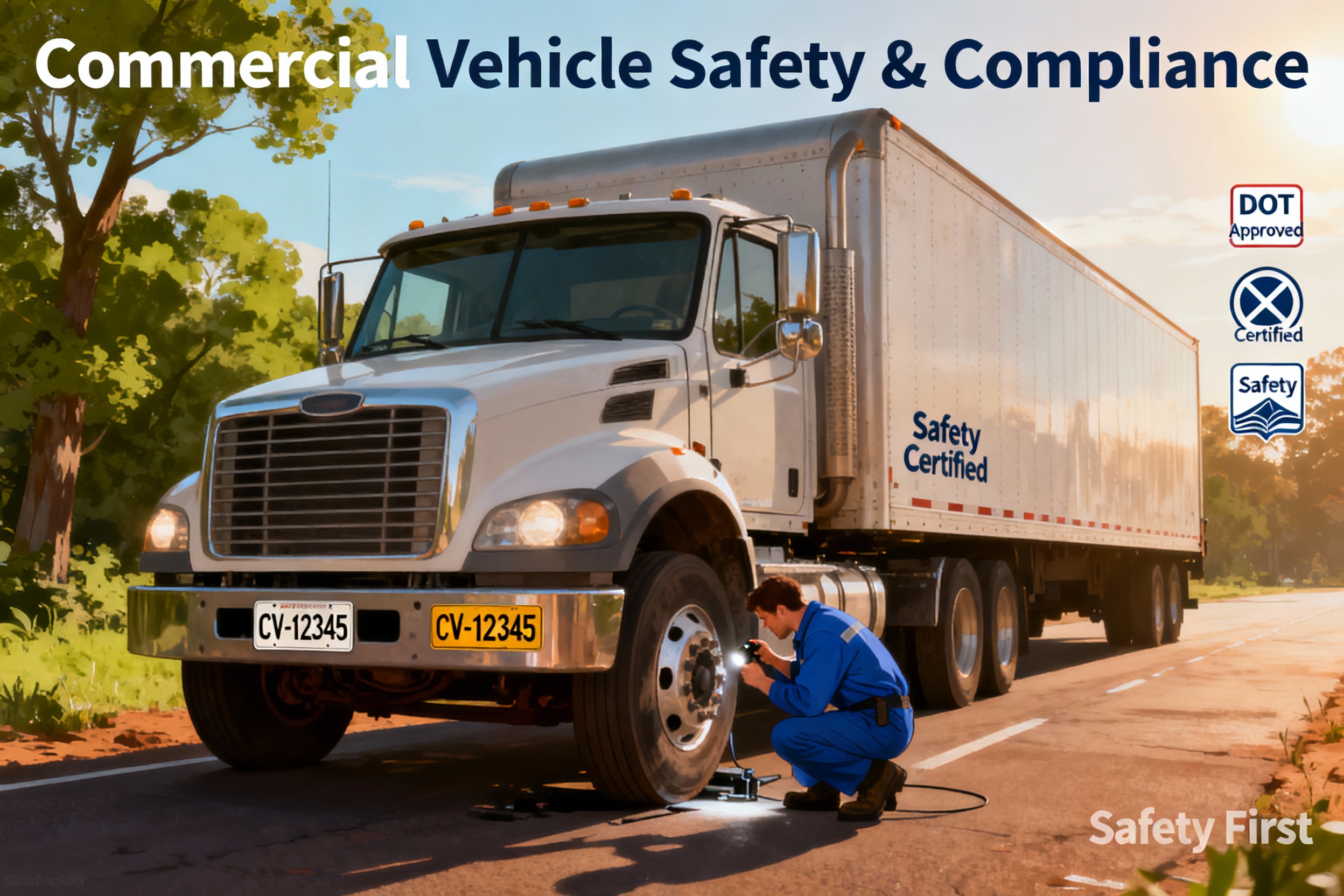
Federal motor carrier safety regulations are vital to ensuring the safety and efficiency of commercial transportation across the United States. These regulations encompass various key requirements that businesses must adhere to, including driver qualifications, vehicle maintenance standards, and hours of service. For instance, drivers must possess a valid Commercial Driver’s License (CDL) and undergo stringent background checks, ensuring they are qualified to operate heavy vehicles safely. Furthermore, vehicles must be routinely inspected and maintained to meet safety standards, which is essential to prevent breakdowns and accidents on the road. Each driver is also restricted by hours of service regulations, which limit the amount of time a driver can be on the road continuously, thereby reducing fatigue-related incidents.
One of the significant regulations includes the use of electronic logging devices (ELDs) that track driving hours to ensure compliance with these regulations. Non-compliance with federal regulations not only poses a high risk to the safety of drivers and the public but can also lead to severe consequences for businesses, such as heavy fines, increased insurance premiums, and potential legal liabilities in the event of an accident. Moreover, failure to comply can damage a company’s reputation and operational reliability. Thus, adherence to federal motor carrier safety regulations is not merely a legal requirement but a fundamental aspect of maintaining a responsible and effective commercial transportation operation.
Leasing and financing commercial vehicles are two distinct approaches, each with unique advantages that cater to different business needs. When leasing, businesses generally enjoy lower monthly payments compared to financing, as they are only paying for the vehicle’s depreciation during the lease term rather than the full purchase price. This allows for more flexibility in cash flow, making leasing attractive for businesses that prefer to dedicate capital to other operational areas or projects.
Additionally, leased vehicles typically come with maintenance and support packages included, which can help reduce overall costs and ensure that the fleet remains in top condition without unexpected expenses. On the downside, leasing requires a commitment to uphold the terms of the contract, and businesses may face mileage limits and fees for excessive wear and tear.
In contrast, financing a vehicle means a higher monthly payment but grants full ownership once the vehicle is paid off, making it a better option for businesses that plan to use the vehicle long-term, drive high mileage, or want to build equity in their assets. Moreover, while financed vehicles can be modified to fit operational needs, they require greater upfront costs and long-term commitment compared to leasing.
Ultimately, the choice between leasing and financing hinges on budget, operational flexibility, and long-term business goals, determining the best fit for different types of businesses.
Conclusion
In conclusion, understanding the intricacies of commercial vehicle classifications and regulations is not just a matter of compliance, but a crucial strategy for business success. By familiarizing themselves with the different truck classes and federal motor carrier safety regulations, businesses can ensure they select the right vehicles that meet their specific operational needs while adhering to legal standards. This proactive approach reduces the risk of misclassification, which can lead to severe penalties, increased insurance costs, and potential legal liabilities.
Moreover, knowledge of these regulations fosters safety, efficiency, and credibility in transportation operations. Businesses that invest time in understanding vehicle regulations can optimize their fleets, enhance safety protocols, and ultimately support their growth trajectories. Therefore, by making informed decisions about their commercial vehicles, companies position themselves not only to comply with the law but also to thrive in a competitive marketplace, solidifying their operational reliability and achieving long-term success.
User Adoption Trends for Half-Ton and Heavy-Duty Trucks in Commercial Use
The adoption of half-ton and heavy-duty trucks in commercial contexts is characterized by several notable trends. Recent data indicates that light-duty truck orders have increased by 15% year-over-year. Approximately 62% of commercial fleets are utilizing half-ton trucks specifically for last-mile delivery, showcasing a substantial preference for these vehicles in logistics operations.
On the heavy-duty side, there has also been significant growth, with a reported 28% increase in Class 8 truck orders in the most recent quarter. Furthermore, the overall adoption of Class 1-3 trucks, which includes half-ton models, has surged by 22% annually, a shift that has largely been driven by the e-commerce and service sectors. This trend suggests a strategic transition from vans to truck-based fleets to meet evolving business demands.
Among small businesses, 78% utilize half-ton trucks in their operations, with 45% planning to expand their light-duty truck fleets in the next 12 months. In contrast, heavy-duty trucks exhibit stable adoption rates at 32%, primarily in the construction and agriculture sectors.
Additionally, there is a growing interest in electric trucks, particularly among major fleets that are planning to incorporate electric half-ton models within the next five years.