
Understanding the financial landscape of auto loans is crucial for individual car buyers, dealerships, and small business fleet buyers. This article delves into Ally Financial’s strong role in the automotive finance market, examining the various auto loan options available, including retail installment sales contracts and operating leases. We’ll highlight the key advantages of choosing Ally for your financing needs, explore refinancing options that can make auto loan management more feasible, and gather consumer insights that underscore Ally’s reliability. Each chapter will provide a detailed analysis of these elements, collectively guiding you toward informed financial decisions when purchasing or leasing a vehicle.
Steering the Wheel of Auto Lending: Ally Financial’s Digital-First Charge in the Market
Across the United States, auto finance sits at the intersection of consumer ambition, dealership networks, and the precision of data science. In this landscape, Ally Financial has emerged as a digital-first force that shapes how people borrow to buy vehicles and how dealers access capital to move inventory. The company’s prominence isn’t a matter of luck but of a deliberate strategy that blends broad lending capacity with a relentlessly modern customer experience. Its footprint in the auto lending market reflects a broader shift in financial services: the ability to underwrite, fund, and manage risk at scale through technology, while maintaining a human touch when it matters most to the borrower. This convergence—digital velocity paired with prudent risk management—offers a lens through which to understand not only Ally’s role but the evolving mechanics of auto finance as a whole.
At the core of Ally’s market positioning is a versatile suite of consumer financing options and the critical support it provides to the dealer ecosystem. Consumers can access a full spectrum of financing arrangements that cover the purchase and ownership journey: retail installment contracts, traditional auto loans, and operating leases that offer flexibility for those who prefer a vehicle without long-term ownership. On the dealership side, the firm extends floorplan financing, which helps retailers stock vehicles without tying up working capital in each unit. This dual capability—direct consumer finance coupled with dealer funding—creates a seamless flow of credit from the street to the customer, a dynamic that has grown more important as buyers increasingly begin their car-finding journey online and expect quick, trustworthy financing decisions when they walk onto a lot or into a digital checkout.
What makes Ally distinctive in this space is less the catalog of products than the way it delivers them. A reliance on technology and data analytics enables more accurate risk assessment, faster underwriting, and tighter pricing discipline. In practical terms, borrowers encounter a streamlined application experience, an online pathway to approval, and terms that are calibrated to reflect individual credit profiles, vehicle type, and anticipated usage. For dealers, the financing partner functions as a capital markets extension—providing predictable funding that can accelerate vehicle turnover and support more flexible negotiations with customers who seek compelling monthly payments. The result is a market that moves with greater efficiency and clarity, where both sides of a transaction—borrower and seller—benefit from a tighter, more resilient credit cycle.
The historical arc behind Ally’s current prominence is instructive. What began as General Motors Acceptance Corporation in the early 20th century evolved into a modern, independent financial services firm after a series of strategic realignments. It rebranded to Ally Financial in 2010 and later became a publicly traded company, expanding its reach beyond the GM ecosystem to serve a broad array of automakers and consumers. The company’s evolution was reinforced by partnerships that extended its geographic and market reach, exemplified by collaborations in international markets and the broader global automotive finance landscape. Today, Ally is seen as a bellwether for auto lending health in the United States, a position earned through disciplined risk management, scale, and a commitment to digital execution that keeps pace with changing consumer expectations. The emphasis on technology isn’t cosmetic; it’s integral to how the firm prices risk, manages delinquencies, and adapts to shifts in the macroeconomic environment.
This digital orientation aligns with observable market trends that have persisted through varying economic cycles. Auto loan demand has remained relatively resilient as households continue to replace aging vehicles, refresh fleets for work or family needs, and navigate higher vehicle prices that make financing a necessity for many buyers. The shift toward digital applications and remote underwriting has lowered the incremental cost of originating loans while shortening the path from inquiry to approval. It also intensifies competition among lenders, pressuring pricing power but rewarding those who can responsibly balance risk with speed. Ally’s ability to blend a high-tech underwriting framework with a customer-centric experience positions it to capture a meaningful share of new borrowers while maintaining favorable credit outcomes over the life of the loan.
From a financial perspective, the company’s performance in recent periods has reinforced its stature as a market leader. In the 2025 calendar year’s third quarter, Ally reported robust results that reflected continued demand for auto financing even amid a backdrop of economic uncertainty. The headline narrative highlighted a strong level of profitability and a resilient balance sheet. An adjusted net income figure captured the market’s focus on earnings power, signaling that demand for auto financing remained solid and that the company could translate pricing power and risk discipline into durable profitability. The net interest margin, stripped of certain origination distortions, reflected an expansion that underscores effective balance sheet management and the firm’s capacity to price loans in a dynamic environment. At the same time, the Common Equity Tier 1 ratio remained comfortably above regulatory minimums, signaling strong capital adequacy to absorb potential shocks. Taken together, these metrics aren’t just a snapshot of today’s results; they illuminate how Ally’s business model leverages scale, risk discipline, and technology to sustain credit availability with prudent margins.
The market implications of this combination are meaningful. As lenders compete for borrowers, the ability to deliver quick decisions without sacrificing underwriting quality becomes a strategic advantage. Ally’s digital platform allows it to deploy sophisticated analytics to monitor risk signals, segment customers more precisely, and tailor product offerings to fit individual circumstances. This kind of adaptability is particularly important in a market where consumer sentiment, interest rate trajectories, and vehicle prices can shift quickly. A lender that can confirm a borrower’s creditworthiness in minutes, while still maintaining a careful eye on losses, stands to capture not only the present demand but also the trust of dealerships and buyers for the long term. In this sense, Ally’s position is not merely about volume; it is about sustainable, data-informed lending that aligns with the broader trend toward digitization in financial services.
An important facet of Ally’s role is its ability to help borrowers who are exploring alternatives to traditional financing or who wish to refinance an existing loan to reduce monthly payments. The option to refinance can make ownership more affordable for many, especially when interest rates ebb and flow. Buyout options at lease end also add a layer of clarity for consumers who prefer the predictability of a known residual value and a straightforward path to ownership. These features, embedded within a single, digitally accessible platform, help demystify auto financing and empower buyers to make informed decisions with confidence. The net effect is a more liquid market, where credit is allocated efficiently to those who demonstrate the capacity to repay, thereby supporting vehicle sales and dealership volumes in a way that benefits the broader auto ecosystem.
For readers seeking a broader synthesis of financing principles that underlie this lending dynamic, a resource like Davis Financial Advisors Knowledge offers foundational perspectives that enrich understanding of how credit allocation, risk assessment, and pricing interact in markets like auto lending. Davis Financial Advisors Knowledge provides a reference point for readers who want to situate Ally’s approach within the wider framework of financial analysis and consumer credit behavior. This kind of context helps connect the chapter’s focus on a single lender to the ecosystem of players, tools, and regulations that shape lending opportunities for ordinary shoppers and professional dealers alike.
What does all this mean for the average car buyer or the typical dealership? It means access to capital that is increasingly delivered through streamlined, digital channels that respect the borrower’s time and provide clear, transparent terms. It means a lender that can balance the demand for speedy approvals with the discipline required to sustain repayment performance through the life of a loan. It means a market where inventories move more quickly and where pricing reflects a more granular view of risk, supported by data-driven underwriting that can adapt to evolving conditions. It also implies that industry observers should monitor the health of the auto loan market not only in aggregate terms like loan growth or delinquencies but also in how innovations in digital underwriting and customer experience translate into real-world outcomes for millions of borrowers. This is the core of Ally’s contribution: a practical, scalable model that blends technology, capital access, and customer-centric design to keep the wheels turning in a high-value sector of the economy.
External resources can offer complementary perspectives on the drivers behind these dynamics. For instance, market analyses that discuss how auto loan demand responds to price changes, shifts in consumer credit quality, and the broader macroeconomic backdrop provide a backdrop against which Ally’s performance can be interpreted. As the auto finance landscape evolves, readers may find it useful to consult the latest market commentary and company disclosures to understand how funding costs, capital management, and regulatory considerations may influence lending capacity and pricing power in the quarters ahead. External assessments underscore that the resilience observed in Ally’s numbers often rests on a combination of disciplined risk practices, scalable digital platforms, and the ability to partner effectively with dealerships and manufacturers to support vehicle sales.
In sum, Ally’s role in the auto loans market is emblematic of a broader industry shift toward digital-first financing that still honors the fundamentals of credit risk and financial stewardship. Its ability to originate and service loans at scale, while providing dealers with reliable funding, positions it as a central facilitator of vehicle transactions in an era where speed, transparency, and customer experience increasingly determine a lender’s success. The chapter’s insights into performance, strategy, and market positioning point to a future in which digital lending platforms, supported by prudent risk controls and partnerships, will continue to shape how Americans buy and own cars. The story is not merely about a single lender; it is about how a modern financial services model can align incentives across buyers, sellers, and capital providers to sustain growth in a complex, capital-intensive market.
External resource for further reading: https://www.investing.com/stock-market-news/ally-financial-reports-strong-q3-2025-results-amid-rising-auto-loan-demand-4768788
Navigating Ally’s Auto Financing Suite: How a Major Lender Shapes Your Car-Buying Options
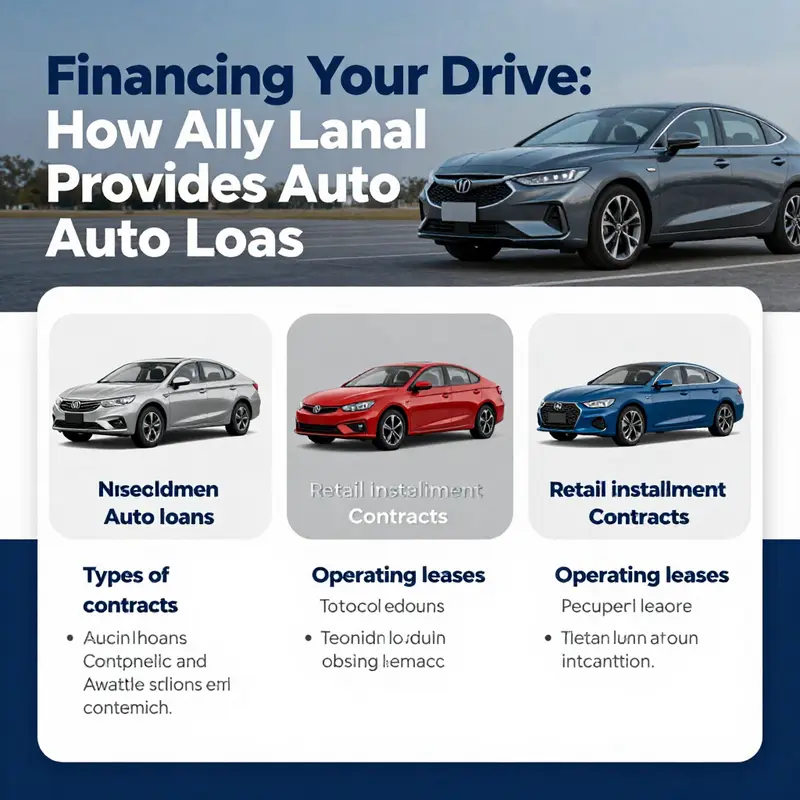
When buyers consider financing a vehicle, they are often confronted with a menu of options that can feel both reassuring and overwhelming. Ally Financial, a key player in automotive finance, offers a portfolio that is broad enough to cover the needs of most buyers while remaining flexible enough to adapt to different financial situations. The essence of their approach, and of the broader auto-lending landscape they inhabit, is not simply the existence of a loan but the ability to shape a borrower’s path from purchase through ownership or transition. The core idea is simple: there are multiple routes to car ownership, and the right route depends on how a buyer plans to use the vehicle, what their budget allows, and how they anticipate their financial picture evolving over the term of the loan. A thoughtful lender will acknowledge those variables and present a structured path rather than a single, rigid contract. In that spirit, the financing options that commonly appear in Ally’s lineup—presented here in a cohesive, real-world frame—illustrate how a major lender can help a consumer align purchasing ambitions with financial realities.
One of the most familiar entry points is financing for new and used cars. For buyers stepping into a dealership or negotiating directly with a lender, a loan for a new vehicle offers the appeal of early equity and the opportunity to choose a model that matches lifestyle and values, including vehicles designed for efficiency or performance. Used-car financing broadens access to the market, enabling buyers to stretch a budget further without sacrificing reliability. The critical consideration here, beyond the sticker price and monthly payment, is the loan’s term, interest rate, and any associated fees. A lender that provides financing for both new and pre-owned vehicles is recognizing that the vehicle’s depreciation curve interacts with the loan term in important ways—shorter terms can reduce total interest in some cases, while longer terms may lower monthly payments but increase the total cost over the life of the loan. Consumers should weigh these dynamics against their own cash flow, down payment capacity, and long-term ownership goals. In practice, this means scanning the market for vehicles across a wide spectrum of price points, and then aligning the choice not only with the car’s features but with a loan structure that preserves financial flexibility.
When a buyer already owns a vehicle and wonders if a refinance could yield a better deal, refinancing loans is a central offering. Refinancing is not simply a way to secure a lower interest rate; it can be a strategic move to alter the monthly payment, adjust the term, or shift from a variable-rate to a fixed-rate structure. The logic is straightforward: if the new loan produces tangible savings—either through a lower rate that reduces interest charges or a payment that better fits a revised budget—the payoff can compound over time, especially if the borrower plans to keep the car longer or reduce total debt faster. A 2026 review of refinancing as a service highlights how this option serves borrowers who want to optimize cash flow or restructure debt without changing the asset they already own. The decision to refinance, like any major financial move, benefits from clarity about the total cost of the loan, the length of the new term, and the anticipated remaining life of the vehicle. The ability to compare a current loan with a refinanced proposition requires careful math—consider the interest rate, the loan amount remaining, the monthly payment, and how long the new term would extend the debt. In this context, refinancing can be a practical tool to regain control of monthly budgets or shorten debt duration, provided the terms are favorable after factoring in any new fees or restructured payment schedules.
For those who are navigating a lease rather than ownership from the outset, lease buyout financing provides a direct path to ownership. When a lease comes to its term, lessees have options to purchase the vehicle at a predetermined price, or they can explore alternative arrangements. A streamlined buyout through a lender such as Ally typically includes a quick preapproval step that does not impact the borrower’s credit score, smoothing the transition from lessee to owner. This pathway can be particularly appealing if the vehicle has remained reliable, the residual value is favorable, and the borrower wants to retain the car without the obligations of ongoing lease terms. The buyout process often integrates related protections and add-ons, such as gap coverage or extended warranties, which can help preserve value and reduce risk during the ownership transition. The practical takeaway for buyers is to consider the lease’s end value in light of the total cost of ownership, including maintenance and depreciation, and to compare purchase options against the economics of continuing in a lease or pursuing a new financing path for a different vehicle.
Beyond consumer-facing loans, a lender’s toolkit often includes dealer-focused financing solutions. Wholesale or dealer-only financing, such as floor plan loans, supports the flow of inventory and helps dealerships manage cash cycles as they bring vehicles to market. While this facet of auto finance operates behind the scenes, it has real-world implications for buyers. A well-capitalized dealer with access to solid floor plan financing can be better positioned to offer favorable terms, competitive interest rates, and a smoother purchasing experience. In practice, this means buyers may encounter a broader array of loan options at the dealership, contingent on the lender’s network, relationships, and policies. The interplay between dealer financing and consumer financing can influence the rate options, the willingness to accommodate special terms, and the speed with which contracts can be finalized. Understanding this dynamic helps buyers approach negotiations with a more informed perspective, recognizing that the financing landscape is not limited to a single pathway but rather a constellation of interconnected channels designed to move a sale toward completion.
Within Ally’s broader automotive finance ecosystem, optional insurance and protection products often intersect with the loan or lease agreement. Gap insurance, for example, can be particularly valuable when months of depreciation outpace principal reduction, or in cases where a total loss occurs early in the loan term. Extended warranties may complement ownership by reducing out-of-pocket risk for unexpected repairs. While not core to the loan itself, these add-ons can influence the overall cost of ownership and the perceived value of the financing arrangement. Prospective borrowers should evaluate these protections in light of their risk tolerance, driving habits, and the expected reliability of the vehicle. In turn, this holistic view of financing—combining the loan with prudent protections—can contribute to a more predictable and manageable ownership experience.
To make sense of these options, borrowers should anchor their decisions in several practical considerations. First, the interest rate is a function of credit quality, loan type, and term length. While a lower rate can reduce the cost of borrowing, the lure of a very short term with a low payment can be misleading if it ties up too much cash in a higher upfront payment or leads to a higher total interest cost due to a longer repayment horizon. Second, the loan term should reflect how long the borrower intends to keep the vehicle and how much monthly housing or transportation budget can accommodate. Shorter terms may increase monthly payments but tend to save on interest and reduce risk of negative equity, while longer terms can provide relief for cash flow at the expense of higher total costs. Third, the vehicle’s depreciation trajectory matters. Cars lose value quickly in the first years, so the balance between loan amount and vehicle value is a critical consideration for financial health and resale prospects. Fourth, the borrower’s broader financial plan matters: how stable is income, what are other debts, and what are the goals for liquidity and savings? A well-chosen auto loan—whether for a new or used car, a refinance, or a lease buyout—should complement a borrower’s overall financial strategy, not complicate it further.
For readers seeking more practical, general guidance on financial planning and loan selection, one can explore reputable resources that discuss the broader mechanics of consumer financing and how to shop for rates and terms. Those who want to dive deeper into related topics can consult materials in the knowledge base of a well-known financial advisory site, which offers structured explanations about auto loans, refinancing strategies, and end-of-lease decisions. This kind of context can help a borrower approach lender conversations with confidence, equipped to ask the right questions about rates, fees, term options, and any add-ons that could affect the total cost of ownership. Davis Financial Advisors knowledge
In summary, the financing options tied to a major auto lender are not a single product line but a coordinated suite designed to address different stages of car ownership. Whether customers are purchasing new or used vehicles, considering refinancing to improve cash flow, or transitioning from a lease to ownership, these options exist to provide flexibility as financial circumstances change. The interplay between dealer networks, consumer loans, and the optional protections that accompany them can yield a financing arrangement that aligns with personal priorities while offering safeguards against market volatility and unexpected expenses. The practical takeaway for buyers is straightforward: begin with a clear assessment of needs, compare terms critically, and consider how each option impacts long-term costs as well as monthly affordability. When approached with this mindset, the financing process becomes a tool for achieving a stable path to vehicle ownership rather than a rigid constraint. For those who want to verify the landscape with an external perspective, a detailed review of auto-loan options from a reputable financial media source can provide additional validation and context about how such products are evaluated in the broader market.
External reference: Bankrate’s detailed review of auto loan options, including insights about how lenders structure rates, terms, and incentives across different borrower profiles, can offer useful context as you weigh your choices. https://www.bankrate.com/loans/auto-loans/ally-auto-loans-review/
Digital, Flexible, and Transparent: The Advantages of Auto Loans from a Leading Online Lender
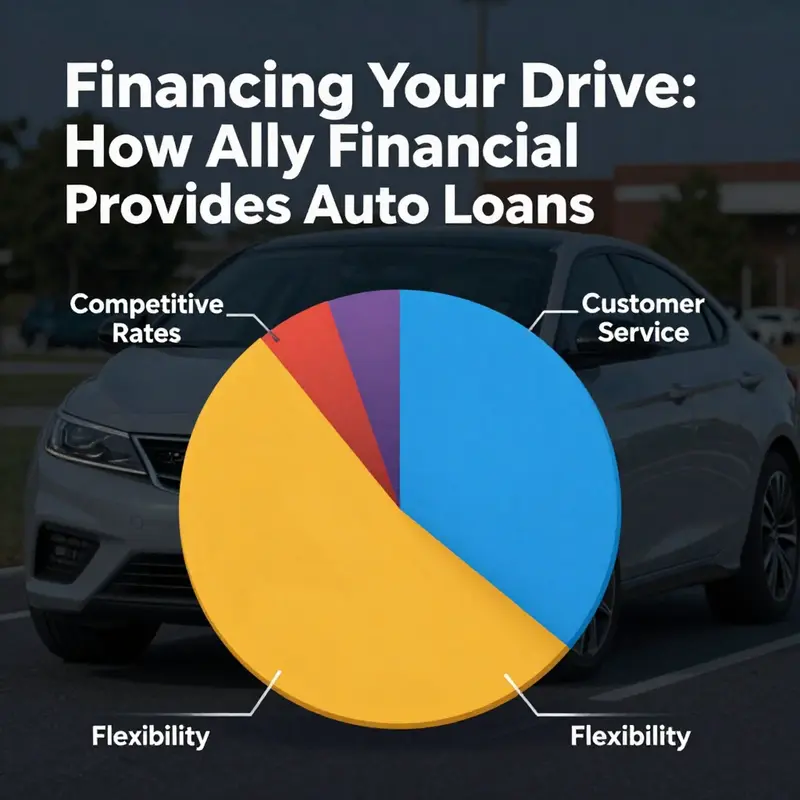
The landscape of auto financing has shifted decisively toward digital platforms that streamline every step of the loan journey. In this new environment, a leading online lender stands out not merely for speed, but for clarity, flexibility, and reliability. The arc of their auto lending program—covering traditional retail loans, financing for dealerships, and even lease transitions—offers a cohesive example of how a digital-first model can align with consumer needs in a market that prizes transparency and control. Rather than relying on visits to a branch or a maze of phone calls, borrowers can initiate, monitor, and complete their loan online, from application to funding and beyond. This seamless flow matters: when a loan can be approved and funded quickly, it reduces the friction that sometimes accompanies car buying and ownership. In practice, the digital-first approach often translates into lower overhead costs for the lender, and those savings can be passed along as competitive interest rates and reasonable fees for borrowers. The result is a more accessible path to financing that doesn’t force consumers to trade convenience for terms. When a borrower compares options, the online lender’s transparent pricing and faster processing can distinguish it from more traditional routes where information is harder to obtain and delays are more common. For a borrower who values straightforward terms and a simple, predictable process, this model represents a meaningful shift in how auto loans can be obtained and managed over the life of the loan.
Refinancing emerges as a particularly compelling feature in a digital, modern lending framework. A borrower who already carries an auto loan can explore refinanced terms with the same online lender, often with a quick prequalification that does not affect the borrower’s credit score. This prequalification is not just a courtesy; it is a practical tool that lets individuals compare potential outcomes—lower interest rates, reduced monthly payments, or a shorter loan term—without incurring risk. The ability to prequalify and then commit only when terms meet personal budgets changes the dynamics of the decision. Beyond the rate and payment, refinancing can also affect the vehicle’s title and ownership details. Customers can update titles by adding or removing co-signers or adjusting ownership, a feature that adds real flexibility for households with shifting arrangements or new financial responsibilities. In a world where family dynamics and financial roles can evolve rapidly, this kind of administrative agility matters as much as the numbers themselves.
Similarly, the lease market benefits from the same digital efficiency. Lease holders who want to transition to ownership can pursue a lease buyout with a fast pre-approval process, often completed in mere minutes and with no adverse impact on the borrower’s credit score. This painless transition shortens the path from lease to ownership and reduces the anxiety that can accompany a change in ownership status. Optional protections—such as gap insurance and extended warranties—are frequently available during a lease buyout, offering an extra layer of security as borrowers assume full responsibility for the vehicle. In practical terms, these options reduce the friction of ending a lease and starting a loan, which is significant for existing lessees who may be weighing the merits of keeping a car versus stepping into a financed purchase. The payoff is not simply convenience; it is an integrated approach to financing that aligns the borrower’s needs with a coherent set of offerings, all facilitated by a digital framework that keeps pace with modern consumer expectations.
Behind these customer-facing strengths lies a foundation of solid financial performance. A leading online lender has demonstrated resilience and growth, underscoring its capacity to invest in auto financing and to sustain service quality even as market conditions shift. Recent earnings data illustrate an environment where the company reported a marked increase in profitability year over year, alongside capital metrics that remain well above regulatory requirements. Such financial strength matters to consumers because it signals stability, the ability to maintain competitive pricing, and the capacity to fund new features and improvements that enhance the user experience. When a lender can blend a digital, customer-centric process with a robust balance sheet, it helps reassure borrowers that the option to finance or refinance is not a temporary convenience but a durable, reliable pathway through which ownership and mobility can be achieved.
Transparency is another hallmark of the online lender model. With clear pricing structures and a straightforward set of terms, borrowers are less likely to encounter unpleasant surprises after signing. The absence of hidden fees, paired with a willingness to explain costs in plain language, builds trust that is essential in any financial product, especially one that affects a consumer’s household budget for years. This clarity also extends to customer service. A well-designed digital experience is complemented by responsive support channels, enabling borrowers to ask questions, obtain explanations, or resolve issues without getting lost in bureaucratic steps. The combination of transparent terms, supportive service, and a loan process that respects a borrower’s time contributes to strong satisfaction ratings and repeat customers, which in turn reinforces the lender’s continued investment in the auto-finance ecosystem. In a sector that has often been criticized for opaque terms or uneven service, these attributes offer a compelling counterpoint that resonates with borrowers who value control and confidence in their financing decisions.
For consumers weighing their options, the question often comes down to fit. A digital-first lender excels for those who prioritize speed, convenience, and predictable terms. The online application and funding process can shave days off what used to be a week-long procedure, a difference that matters when a vehicle is ready to drive off the lot and the financing needs to be in place. Refinancing can be a route to more affordable monthly payments or a shorter debt horizon, which can free up monthly cash for other priorities. A lease-to-own option provides a clear avenue for those who want to transition to ownership without navigating a new loan from scratch. And underpinning all of this is a commitment to straightforward pricing and solid customer service, which helps borrowers feel informed rather than surprised by the financial commitments they undertake.
It is worth recognizing that no single lending channel is perfect for every borrower. An online lender’s strengths—speed, convenience, transparent terms, flexibility in ownership changes, and a strong financial footing—do not automatically yield the lowest rate for every credit profile. Creditworthiness, vehicle age, loan-to-value ratios, and market conditions all influence the interest rate and terms a borrower ultimately receives. Prospective borrowers should still shop around, compare prequalification offers, and consider their own financial picture in the context of the available options. The digital model excels at delivering fast, clear, and flexible pathways to financing, but it works best when aligned with a borrower’s preferences and constraints. For some buyers, in-person service or closer relationships with a traditional lender remains valuable, especially if they have unique financing needs, a complex title situation, or a preference for face-to-face guidance. The key takeaway is that the digital lender does provide auto loans, and it does so in ways that emphasize speed, clarity, and adaptability—qualities that matter greatly in today’s vehicle-buying environment.
To readers seeking further context on how online lenders navigate auto financing and pricing, a broader resources hub can offer additional perspectives and comparisons. You can explore related discussions and articles at the Knowledge page, which consolidates insights on modern financial services and lending innovations. This context helps readers gauge where digital lending stands within the larger spectrum of mobility and financing choices. Knowledge
The overall takeaway is that a leading online lender provides auto loans with distinctive advantages that align with many consumers’ priorities: a digital, end-to-end process; refinancing options that can meaningfully alter monthly payments and ownership arrangements; straightforward lease buyout pathways; and a financial foundation that supports consistent service quality and ongoing product development. These factors collectively shape a compelling case for considering online auto financing as a primary option, especially for borrowers who value efficiency, transparency, and adaptability in their financial arrangements. At the same time, prospective borrowers should weigh their own circumstances against these strengths, recognizing that the best choice depends on personal goals, credit profile, and the specific car-buying scenario they face. The evolving landscape of auto finance thus offers multiple viable routes, with digital lenders establishing a strong, credible lane for customers who prioritize speed, clarity, and flexibility in securing mobility.
External reference: Bankrate’s detailed review of Auto Loans and this particular lender’s offerings provide additional, independent perspective on terms, rates, and the consumer experience. https://www.bankrate.com/loans/auto-loans/ally-auto-loan-review/
Refinancing on the Road: How a Major Auto Lender Rewrites Monthly Payments
Buying a car often means committing to a debt that stretches over several years. When life changes—salary shifts, new debts, fluctuating interest rates—the monthly burden of an auto loan can feel heavy. Refinancing offers a way to reframe that debt without replacing the vehicle. The lender in question is known for providing auto loans and related financing products, including a refinancing pathway that lets borrowers revisit their terms and potentially improve their financial footing. In practice, refinancing is more than a rate check; it is a strategic move that can align a loan with current income, goals, and the value of the vehicle. The core idea is simple: replace your existing loan with a new loan that has different terms, and thereby adjust your monthly payment, the total interest you pay, or both.
One of the most important aspects of refinancing is understanding pre-qualification. The process is designed to be quick and noncommittal, giving you an early sense of your options without a hard impact on your credit. With a streamlined pre-qualification, borrowers can compare rates, terms, and monthly payments from multiple loan offers side by side. This step matters because it transforms a guess into a plan, allowing borrowers to weigh costs over the life of the loan rather than focusing solely on the sticker price of a monthly payment. In the data that surfaces from Clearlane data, Ally’s online auto financing platform, customers who refinanced their vehicle loans realized a tangible benefit: their monthly payments fell on average by about $112. That statistic may vary by situation, but it demonstrates that refinancing can deliver meaningful relief when rates and terms align with a borrower’s current finances.
How does refinancing actually reshape the debt? In most cases, the new loan replaces the old one at a new rate and with a new term. If rates are lower than what you have now, and you choose a shorter term, your monthly payments can stay roughly the same or even decrease slightly while you pay off the loan faster and reduce interest costs. Conversely, if your goal is to lower the monthly commitment and you can extend the term, the new loan can deliver a smaller payment, though you will typically pay more interest over the life of the loan. The decision hinges on what matters most to you: a lower monthly bill, a shorter time to ownership, or the smallest total amount paid when everything is counted. The refinancing process also provides an opportunity to tidy up other aspects of financing—such as aligning the loan-to-value ratio with the vehicle’s current value and ensuring the new loan doesn’t carry unnecessary penalties or fees.
From a practical standpoint, the pre-qualification step also reduces the anxiety of shopping around. You can check rates and terms, then decide whether to move forward with a full application. In many cases, this is enough to clarify whether refinancing makes sense before you go through a soft or hard credit pull. It is crucial, however, to evaluate whether any fees associated with the new loan, such as origination or closing costs, will erode the savings you anticipate. A thoughtful approach is to calculate the break-even point—the moment when the lower monthly payment offsets any upfront costs. If you don’t plan to keep the vehicle for long, a longer-term refinance might not pay off.
Another factor to consider is how refinancing interacts with existing lease arrangements and potential buyouts. If you are currently leasing a vehicle, you can often use refinancing to buy out the lease at a stated end value, or you might finance a different vehicle once the lease concludes. Each option has different implications for taxes, insurance, and total cost of ownership. The overarching goal remains the same: find a financing path that mirrors your current financial picture and your expectations for vehicle usage in the coming years. The lender provides the framework to pursue that goal, offering a controlled environment in which you can compare offers, review terms, and decide with confidence rather than on impulse. The broader auto financing ecosystem also gives drivers a spectrum of possibilities, from the original loan to alternative terms that reflect shifting life circumstances.
To connect this topic with practical steps, you can tap a dedicated knowledge resource that helps readers understand the broader field of personal finance and transportation costs. For readers who want to deepen their understanding of how finances interact with mobility and borrowing, a concise reference hub offers context, tools, and insights. See the Knowledge hub for additional background on budgeting, debt management, and strategic planning as you navigate vehicle financing decisions. This resource complements the refinancing option by reinforcing the idea that informed choices lead to steadier financial footing. Knowledge hub.
Ultimately, refinancing is not a universal remedy. It requires careful assessment of rates, terms, fees, and personal plans for the vehicle. But for many borrowers, it represents a straightforward route to relief: the chance to lower monthly obligations, reduce total interest, or tailor a loan to a changing economic reality. The numbers behind the average savings are most meaningful when translated into a personal forecast—what does this option mean for your budget next year, or five years from now? If your current rate is higher than what is available today, and your credit profile is stable, the decision to pre-qualify becomes even more compelling. The path from curiosity to commitment is shortened by simple steps: check your status, review the offers, and decide whether the new terms meet your objectives.
Finally, consider the broader implications for debt management and long-term financial health. Auto loans are a form of consumer credit that, when managed well, can support goals such as stable housing, emergency reserves, and future investments. Refinancing can be a strategic tool in this toolkit, helping to align debt service with cash flow, protect against payment shocks, and create room in your monthly budget for other priorities. The lender’s refinancing option fits into a larger picture of automotive finance, which also encompasses initial financing, dealership relationships, and potential vehicle buyouts at the end of a lease. The chapter thus sustains a continuous narrative about how a leading auto financing institution not only provides loans for purchase but also supports ongoing debt optimization through refinancing.
Readers should approach refinancing with a clear plan and a readiness to compare alternatives. Keep a record of your current loan terms, your credit profile, and your vehicle’s value, and translate that information into a set of scenario comparisons. You may find that a lower rate by itself is not enough if the term becomes significantly longer or if fees erode the savings. The most constructive outcome is a refined program that reduces payment burden while preserving the ability to stay on the road with reliable transportation and financial confidence. In this sense, refinancing is less a dramatic change and more a recalibration—an adjustment that preserves your mobility while strengthening your financial resilience over time.
External resource: https://www.ally.com/auto/loan-refinancing
Behind the Wheel: Consumer Realities of Ally Auto Financing in a Shifting Market
This chapter examines the lived experience of borrowers navigating auto financing with Ally Auto. It discusses consumer perceptions of transparency, speed, and competitive rates; how digital tools shape the application and funding process; the impact of macroeconomic changes on affordability; the role of refinancing and lease buyouts; and the importance of clarity in terms and fees. It also notes the value of shopping around and how lender scale can influence perceived reliability, while acknowledging potential friction points such as funding delays or opaque fee structures. The narrative ends with a reminder that market dynamics affect both borrower options and lender strategy, and points readers toward a broader industry update and the official Ally press release for additional context.
Final thoughts
Ally Financial stands as a reputable provider of auto loans, effectively serving a diverse clientele ranging from individual consumers to large dealerships. With their extensive range of financing options and refinancing solutions, they cater to the specific needs of various user demographics. Consumer testimonials further attest to Ally Financial’s quality service and commitment to customer satisfaction. By understanding Ally’s services and benefits, you are better equipped to navigate the financing landscape and make informed decisions regarding your vehicle purchase or lease.