
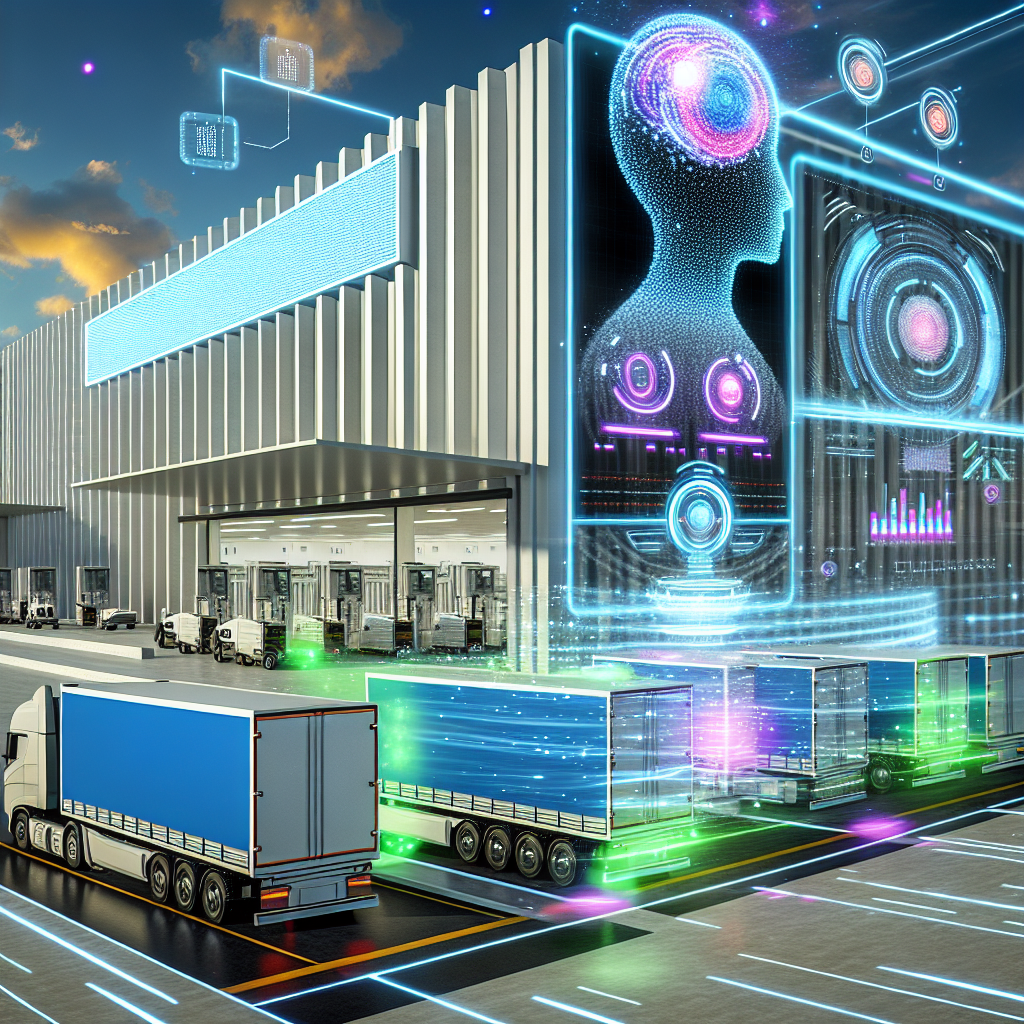
In today’s fast-paced logistics sector, the integration of artificial intelligence (AI) is no longer just an innovative idea but a crucial necessity for overcoming operational challenges and enhancing efficiency. Fuel Transport, a Montreal-based company, recently took a significant step by announcing an impressive $8 million investment in AI transport optimization. This initiative is designed to revolutionize critical processes such as pricing, quoting, and carrier selection across North America.
As the demand for smarter logistic solutions continues to grow, AI transport optimization is poised to transform supply chains, driving unprecedented levels of operational efficiency and adaptability. Fuel Transport’s commitment highlights the rising significance of leveraging cutting-edge technology to stay competitive in an increasingly complex market, proving that the future of logistics hinges on the successful fusion of human expertise and intelligent technology.
AI transport optimization uses artificial intelligence to make logistics work better, reduce costs, and improve decision-making. This process is really important in the logistics industry because it helps companies operate more efficiently and serve their customers better. By using AI-powered algorithms, businesses can handle large amounts of data to help with planning routes, choosing carriers, and managing inventory.
The advantages of AI transport optimization are numerous. First, it boosts operational efficiency by automating regular tasks, which helps logistics companies quickly adapt to changes in the market. This means they can choose smarter routes and reduce delays, leading to quicker delivery times. Second, AI helps businesses set prices dynamically depending on real-time supply and demand, which optimizes their revenue. Also, predictive analytics aids in better resource management by ensuring that the right tools are used at the right time. In short, AI transport optimization not only makes logistics more competitive but also creates a more responsive system.
In the context of Fuel Transport’s groundbreaking initiative, the insights from Robert Piccioni, a key figure in the company, encapsulate the essence of their approach to AI transport optimization. He states,
“At Fuel, we believe true progress happens when intelligent technology works hand in hand with human instinct.”
This sentiment reflects the company’s philosophy of integrating state-of-the-art AI solutions with the invaluable knowledge and intuition of their expert personnel.
The $8 million investment in this initiative signifies not just a financial commitment but a strategic vision where technology is a partner that enhances human capabilities rather than replacing them. By emphasizing collaboration between technology and human instinct, Fuel Transport aims to not only optimize logistics processes but also foster an environment where innovative solutions are continuously developed. This balance is pivotal for navigating the complexities of the logistics landscape, particularly as the demand for efficiency and adaptability escalates in today’s competitive market.
- Enhanced Pricing Strategies: AI-driven transport initiatives empower companies to implement dynamic pricing models that react to real-time market data. This means transport operators can adjust their rates based on supply and demand fluctuations, maximally optimizing revenue and ensuring competitiveness.
- Better Quoting Processes: By harnessing data analytics, AI significantly streamlines quoting processes. Automated systems can quickly generate accurate quotes based on multiple variables, reducing the time and effort spent on manual calculations, and improving client satisfaction with quicker response times.
- Improved Carrier Selection through Predictive Intelligence: AI employs predictive intelligence to evaluate carrier performance based on historical data. This means that logistics companies can select carriers that have proven reliability and efficiency, ensuring that shipments are handled by the most qualified partners, thus enhancing service quality and reliability across the board.
- Increased Operational Efficiency: Automation and intelligent decision-making enhance overall operational efficiency, enabling logistics firms to manage resources effectively and respond swiftly to changes in the transport landscape.
- Enhanced Customer Experience: Faster processes, improved reliability, and personalized service lead to a superior experience for customers, building loyalty and trust in the brand.
Fuel Transport has unveiled an ambitious $8 million investment in an AI-driven transport optimization initiative, aiming to revolutionize logistics in North America. This initiative is not a solo venture; it showcases a robust collaboration with leading tech firms such as OptiRoute AI, IBM Watson, and ClearPath Analytics. Together, these partnerships are focused on enhancing operational efficiency across the entire network, which spans Canada, the United States, and Mexico.
The primary goals of this initiative include the implementation of machine learning algorithms for real-time route planning, optimizing fuel consumption, and matching loads effectively. Through these advancements, Fuel Transport expects to cut transit times by up to 15% and operational costs by 12%, significantly improving delivery reliability. The early pilots have already demonstrated promising results, such as reduced empty miles and enhanced fuel efficiency, positioning the company as a frontrunner in incorporating AI for smarter logistics solutions in the fuel transport sector.
| Aspect | Traditional Transport Methods | AI-driven Transport Methods |
|---|---|---|
| Efficiency | Limited by fixed schedules and routes. Room for optimization through manual processes. | Enhanced through real-time route optimization and predictive maintenance, increasing efficiency by 15-30%. |
| Pricing Strategies | Often static, relying on historical data and fixed contracts. Limited adaptability. | Dynamic pricing based on real-time data, allowing for adjustments according to demand and market conditions. |
| Operational Agility | Slow to respond to disruptions; adjustments require manual oversight. | High agility with automated rerouting and predictive analytics enabling quick reaction to market changes. |
The logistics sector is witnessing a significant uptick in the adoption of AI technologies, which are transforming operations and enhancing efficiencies. As of late 2023, nearly 45% of logistics companies report having implemented AI solutions, with a projected growth in adoption rates expected to reach 70% by 2025 (source: McKinsey & Company).
AI applications in logistics include predictive analytics and route optimization, which have led to reductions in fuel consumption by 10-15% and improvements in delivery times by up to 20%. Case studies illustrate these benefits vividly: for example, Maersk’s implementation of AI has resulted in a 20% reduction in fuel consumption and enhanced schedule reliability by 15% (source: Harvard Business Review). Additionally, DHL reports that the integration of AI in their operations has increased picking efficiency by 25% and diminished errors by 40% (DHL’s Trend Radar).
These figures underscore AI’s vital role in driving operational efficiency, reducing costs, and significantly improving user satisfaction in the logistics industry.
Future Trends in AI Transport Optimization
As the logistics sector evolves, several future trends in AI transport optimization are emerging, poised to redefine operational strategies and enhance efficiencies. One prominent trend is the adoption of autonomous vehicles, which promise to revolutionize freight transport by reducing labor costs and allowing for continuous operation without the constraints of human fatigue.
Blockchain technology is also gaining traction, providing potential enhancements in supply chain transparency and security. By ensuring that every transaction is recorded and verifiable, blockchain can help mitigate issues such as fraud and logistical delays.
The integration of the Internet of Things (IoT) will further augment transport optimization. IoT devices can supply real-time data from vehicles and shipments, enabling logistics companies to dynamically adjust routes and improve delivery times.
Machine learning and predictive analytics will gain prominence, allowing companies to forecast demand and optimize inventory management. AI can analyze historical data and market trends to make accurate predictions about potential disruptions, thus facilitating proactive decision-making.
Furthermore, there is a growing emphasis on sustainability. AI transport optimization will incorporate algorithms that prioritize routes minimizing fuel consumption, thereby reducing carbon footprints and enhancing operational responsibility. These advancements align with Fuel Transport’s initiative, reflecting a holistic approach to future transport optimization.
For readers interested in further exploring the trends in AI applications within logistics, the following sources provide valuable insights:
- AI in Logistics Trends: Sustainability and Automation Advances, Tech Recruiter (2023-12-24): This article discusses how AI-driven predictive analytics and automation are improving logistics efficiency, with an emphasis on sustainability initiatives.
- AI-Driven Logistics: Predictive Analytics and IoT Integration, Forbes (2024-11-26): A detailed overview of how advanced AI algorithms enhance demand forecasting and incorporate IoT for improved logistics operations.
- Smart Route Planning and Warehouse Automation in Logistics, Industry Report (2025-07-22): This report highlights trends in AI-driven route optimization and warehouse automation to improve efficiency and meet evolving delivery expectations.
- AI in Transportation: Dynamic Routing and Autonomous Vehicles, Research Publication (2025-05-24): An analysis of how AI is reshaping transportation through dynamic routing and developing autonomous vehicles.
- Future Trends: AI-Powered Global Logistics Optimization, Industry Analysis (2025-09-20): This article examines the role of AI in optimizing global logistics through real-time data integration.
In conclusion, the insights explored throughout this article highlight the significant role that artificial intelligence is set to play in reshaping the logistics sector. Companies like Fuel Transport are leading the charge with substantial investments in AI transport optimization initiatives, exemplifying how this technology can enhance operational efficiency, improve pricing strategies, and refine carrier selection. These advancements not only promise to streamline processes but also redefine competitive benchmarks within the industry.
As we look to the future, the potential of AI in logistics is transformative. By embracing innovations such as predictive analytics, autonomous vehicles, and blockchain technology, businesses can navigate complex supply chains with greater agility and responsibility. The call to action is clear: it is time for logistics professionals to consider incorporating AI-driven solutions into their operations, not merely as enhancements, but as fundamental components of strategic growth and sustainability in an ever-evolving market. Let us harness the power of AI to drive the logistics industry forward into a new era of efficiency and innovation.
Challenges of Implementing AI in Logistics
Implementing artificial intelligence in logistics comes with a set of challenges that organizations need to navigate effectively. Below are some of the most pressing hurdles encountered during implementation:
- Technical Integration Issues: Many logistics companies operate using legacy systems that frequently lack compatibility with newer AI technologies. Integrating AI tools with existing Enterprise Resource Planning (ERP) and Warehouse Management Systems (WMS) poses substantial challenges. Recent surveys indicate that around 65% of logistics companies cite difficulties with such integrations, leading to disruptions in data flow and operational inefficiency.
- Cost Barriers: The financial implications of implementing AI technology can be overwhelming. Mid-sized logistics companies typically face integration costs ranging from $1.5 to $2 million. This figure often includes data management infrastructure, which can consume as much as 40% of the total project budget. Such financial burdens often dissuade organizations from pursuing advanced AI solutions, particularly those already operating on slim margins.
- Workforce Training and Adaptation: While AI has the potential to automate numerous logistics processes, it also demands significant reskilling of the existing workforce. Reports show that approximately 55% of logistics activities can be automated, but successful implementation hinges on the workforce’s ability to interact adeptly with AI systems. A staggering 48% of organizations indicate that skills gaps in data literacy and AI understanding present major barriers to adoption.
- Data Management Challenges: High-quality, consistent data is a prerequisite for effective AI model performance. However, many logistics firms encounter obstacles regarding data quality and governance. About 70% of AI initiatives face delays tied to data preparation issues stemming from inconsistent data formats and flawed data sets, which can severely undermine AI model accuracy.
- Change Management: Introducing AI entails considerable changes in existing workflows and processes, often leading to resistance and inertia among staff. For example, DHL has reported delays of around 18 months required to effectively train its workforce for a successful AI rollout.
Real-world examples further elucidate these challenges. FedEx’s initial foray into route optimization was stymied by poor data integration, while Amazon’s eventual success required two years to retrain workers for its AI-driven warehouse technology.
In summary, understanding these multifaceted challenges is crucial for organizations seeking to implement AI in logistics, emphasizing the necessity for strategic planning and ongoing investment in both technology and talent.
Introduction to AI in Supply Chain
In today’s fast-paced logistics sector, the integration of artificial intelligence (AI) in supply chain processes is no longer just an innovative idea but a crucial necessity for overcoming operational challenges and enhancing efficiency through logistics automation. Fuel Transport, a Montreal-based company, recently took a significant step by announcing an impressive $8 million investment in AI transport optimization. This initiative is designed to revolutionize critical processes such as pricing, quoting, and carrier selection across North America. As the demand for smarter logistic solutions continues to grow, AI transport optimization is poised to transform supply chains, driving unprecedented levels of operational efficiency and adaptability. Fuel Transport’s commitment highlights the rising significance of leveraging cutting-edge technology to stay competitive in an increasingly complex market, proving that the future of logistics hinges on the successful fusion of human expertise and intelligent technology.
Overview of AI Transport Optimization
AI transport optimization employs artificial intelligence to make logistics work better, reduce costs, and improve decision-making. This process is essential in the logistics industry because it helps companies operate more efficiently and serve their customers better. By using AI-powered algorithms, businesses can handle large amounts of data to assist with planning routes, choosing carriers, and managing inventory.
The advantages of AI transport optimization, as part of logistics automation, are numerous. First, it boosts operational efficiency by automating regular tasks, which helps logistics companies quickly adapt to market changes. This means they can choose smarter routes and reduce delays, leading to quicker delivery times. Second, AI helps businesses set prices dynamically depending on real-time supply and demand, optimizing their revenue. Also, predictive analytics aids in better resource management by ensuring that the right tools are utilized at the right time. In short, AI transport optimization not only makes logistics more competitive but also creates a more responsive system.
Quote from Robert Piccioni
In the context of Fuel Transport’s groundbreaking initiative, the insights from Robert Piccioni, a key figure in the company, encapsulate their approach to AI transport optimization. He states, “At Fuel, we believe true progress happens when intelligent technology works hand in hand with human instinct.” This sentiment reflects the company’s philosophy of integrating state-of-the-art AI solutions with the invaluable knowledge and intuition of their expert personnel. The $8 million investment in this initiative signifies not just a financial commitment but a strategic vision where technology is a partner that enhances human capabilities rather than replacing them. By emphasizing collaboration between technology and human instinct, Fuel Transport aims to optimize logistics processes and foster an environment where innovative solutions are continuously developed. This balance is pivotal for navigating the complexities of the logistics landscape, particularly as the demand for efficiency and adaptability escalates in today’s competitive market.
Benefits of AI-Driven Transport Initiatives
- Enhanced Pricing Strategies: AI-driven transport initiatives empower companies to implement dynamic pricing models that react to real-time market data. This means transport operators can adjust their rates based on supply and demand fluctuations, maximally optimizing revenue and ensuring competitiveness.
- Better Quoting Processes: By harnessing data analytics, AI significantly streamlines quoting processes. Automated systems can quickly generate accurate quotes based on multiple variables, reducing the time and effort spent on manual calculations and improving client satisfaction with quicker response times.
- Improved Carrier Selection through Predictive Intelligence: AI employs predictive intelligence to evaluate carrier performance based on historical data. This means that logistics companies can select carriers that have proven reliability and efficiency, ensuring that shipments are handled by the most qualified partners, thus enhancing service quality in the logistics sector.
- Increased Operational Efficiency: Automation and intelligent decision-making enhance overall operational efficiency, enabling logistics firms to manage resources effectively and respond swiftly to changes in the transport landscape.
- Enhanced Customer Experience: Faster processes, improved reliability, and personalized service lead to a superior experience for customers, building loyalty and trust in the brand.
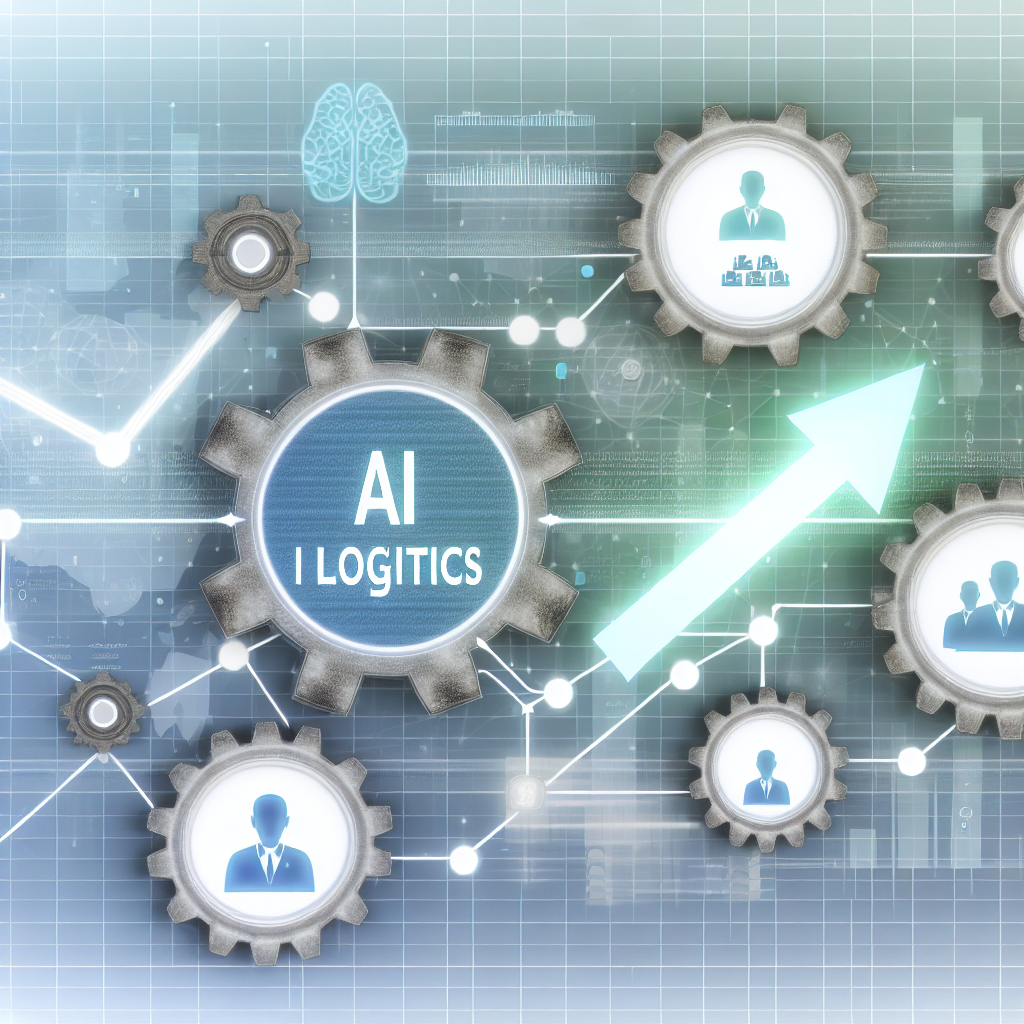
AI Logistics Concepts Image
A simple visual representation illustrating AI concepts in logistics, showing relationships between technology, operational efficiency, and human instinct.
Summarize Fuel Transport’s Initiative
Fuel Transport has unveiled an ambitious $8 million investment in an AI-driven transport optimization initiative, aiming to revolutionize logistics in North America. This initiative showcases a robust collaboration with leading tech firms such as OptiRoute AI, IBM Watson, and ClearPath Analytics. Together, these partnerships are focused on enhancing operational efficiency across the entire network, which spans Canada, the United States, and Mexico.
The primary goals of this initiative include the implementation of machine learning algorithms for real-time route planning, optimizing fuel consumption, and effectively matching loads. Through these enhancements, Fuel Transport expects to cut transit times by up to 15% and operational costs by 12%, significantly improving delivery reliability. The early pilots have already demonstrated promising results, such as reduced empty miles and enhanced fuel efficiency, positioning the company as a frontrunner in incorporating AI for smarter logistics solutions in the fuel transport sector.
Comparison of Traditional and AI-Driven Transport Methods
| Aspect | Traditional Transport Methods | AI-driven Transport Methods |
|---|---|---|
| Efficiency | Limited by fixed schedules and routes. Room for optimization through manual processes. | Enhanced through real-time route optimization and predictive maintenance, increasing efficiency by 15-30%. |
| Pricing Strategies | Often static, relying on historical data and fixed contracts. Limited adaptability. | Dynamic pricing based on real-time data, allowing for adjustments according to demand and market conditions. |
| Operational Agility | Slow to respond to disruptions; adjustments require manual oversight. | High agility with automated rerouting and predictive analytics enabling quick reaction to market changes. |
Evidence Supporting AI Adoption in Transport
The logistics sector is witnessing a significant uptick in the adoption of AI technologies, which are transforming operations and enhancing efficiencies. As of late 2023, nearly 45% of logistics companies report having implemented AI solutions, with adoption rates expected to reach 70% by 2025 (source: McKinsey & Company).
AI applications in logistics include predictive analytics and route optimization, leading to reductions in fuel consumption by 10-15% and improvements in delivery times by up to 20%. Case studies illustrate these benefits vividly: for example, Maersk’s implementation of AI has resulted in a 20% reduction in fuel consumption and enhanced schedule reliability by 15% (source: Harvard Business Review). Additionally, DHL reports that integrating AI into their operations has increased picking efficiency by 25% and diminished errors by 40% (DHL’s Trend Radar).
These figures underscore AI’s vital role in driving operational efficiency, reducing costs, and significantly improving user satisfaction in the logistics industry.
Future Trends in Transport Optimization
As the logistics sector evolves, several future trends in AI transport optimization are emerging, poised to redefine operational strategies and enhance efficiencies. One prominent trend is the adoption of autonomous vehicles, promised to revolutionize freight transport by reducing labor costs and permitting continuous operation without the constraints of human fatigue.
Blockchain technology is also gaining traction, providing potential enhancements in supply chain transparency and security. By ensuring that every transaction is recorded and verifiable, blockchain can help mitigate issues such as fraud and logistical delays.
The integration of the Internet of Things (IoT) will further augment transport optimization. IoT devices can supply real-time data from vehicles and shipments, enabling logistics companies to dynamically adjust routes and improve delivery times.
Machine learning and predictive analytics will gain prominence, allowing companies to forecast demand and optimize inventory management. AI can analyze historical data and market trends to make accurate predictions about potential disruptions, thus facilitating proactive decision-making.
Furthermore, a growing emphasis on sustainability will influence AI transport optimization, incorporating algorithms that prioritize routes minimizing fuel consumption, thereby reducing carbon footprints and enhancing operational responsibility. These advancements align with Fuel Transport’s initiative, reflecting a holistic approach to future transport optimization.
For readers interested in further exploring trends in AI applications within logistics, the following sources provide valuable insights:
- AI in Logistics Trends: Sustainability and Automation Advances, Tech Recruiter (2023-12-24): This article discusses how AI-driven predictive analytics and automation are improving logistics efficiency, with an emphasis on sustainability initiatives.
- AI-Driven Logistics: Predictive Analytics and IoT Integration, Forbes (2024-11-26): A detailed overview of how advanced AI algorithms enhance demand forecasting and incorporate IoT for improved logistics operations.
- Smart Route Planning and Warehouse Automation in Logistics, Industry Report (2025-07-22): This report highlights trends in AI-driven route optimization and warehouse automation to improve efficiency and meet evolving delivery expectations.
- AI in Transportation: Dynamic Routing and Autonomous Vehicles, Research Publication (2025-05-24): An analysis of how AI is reshaping transportation through dynamic routing and developing autonomous vehicles.
- Future Trends: AI-Powered Global Logistics Optimization, Industry Analysis (2025-09-20): This article examines the role of AI in optimizing global logistics through real-time data integration.
Conclusion
In conclusion, the insights explored throughout this article highlight the significant role that artificial intelligence is set to play in reshaping the logistics sector. Companies like Fuel Transport are leading the charge with substantial investments in AI transport optimization initiatives, exemplifying how this technology can enhance operational efficiency, improve pricing strategies, and refine carrier selection. These advancements promise to streamline processes and redefine competitive benchmarks within the industry.
As we look to the future, the potential of AI in logistics is transformative. By embracing innovations such as predictive analytics, autonomous vehicles, and blockchain technology, businesses can navigate complex supply chains with greater agility and responsibility. The call to action is clear: it is time for logistics professionals to consider incorporating AI-driven solutions into their operations, not merely as enhancements, but as fundamental components of strategic growth and sustainability in an ever-evolving market. Let us harness the power of AI to drive the logistics industry forward into a new era of efficiency and innovation.
Challenges of AI in Logistics
Challenges of Implementing AI in Logistics
Implementing artificial intelligence in logistics comes with a set of challenges that organizations need to navigate effectively. Below are some of the most pressing hurdles encountered during implementation:
- Technical Integration Issues: Many logistics companies operate using legacy systems that lack compatibility with newer AI technologies. Integrating AI tools with existing Enterprise Resource Planning (ERP) and Warehouse Management Systems (WMS) poses challenges. Recent surveys indicate that around 65% of logistics companies cite difficulties with such integrations, leading to disruptions in data flow and operational inefficiency.
- Cost Barriers: The financial implications of implementing AI technology can be overwhelming. Mid-sized logistics companies typically face integration costs ranging from $1.5 million to $2 million. This figure often includes data management infrastructure, which can consume as much as 40% of the total project budget.
- Workforce Training and Adaptation: While AI has the potential to automate numerous logistics processes, it also demands significant reskilling of the existing workforce. Reports show that approximately 55% of logistics activities can be automated, but successful implementation hinges on the workforce’s ability to interact adeptly with AI systems.
- Data Management Challenges: High-quality, consistent data is a prerequisite for effective AI model performance. However, many logistics firms encounter obstacles regarding data quality and governance. About 70% of AI initiatives face delays tied to data preparation issues stemming from inconsistent data formats and flawed data sets, which can severely undermine AI model accuracy.
- Change Management: Introducing AI entails considerable changes in existing workflows and processes, often leading to resistance and inertia among staff.
Real-world examples further elucidate these challenges. FedEx’s initial foray into route optimization was stymied by poor data integration, while Amazon’s eventual success required two years to retrain workers for its AI-driven warehouse technology.
In summary, understanding these multifaceted challenges is crucial for organizations seeking to implement AI in logistics, emphasizing the necessity for strategic planning and ongoing investment in both technology and talent.