
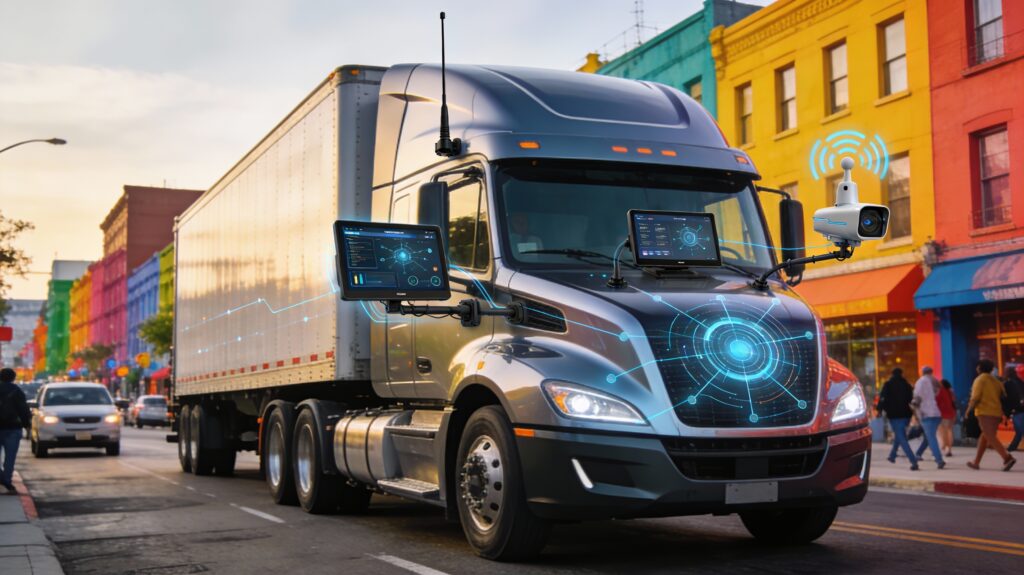
As the transportation industry grows more competitive, truck fleet managers face a critical issue: driver retention. High turnover rates are draining resources and reducing operational efficiency. Each time a driver departs, companies incur costs often reaching tens of thousands of dollars, impacting productivity and profits. This problem has intensified as generating revenue becomes increasingly challenging. In response, fleet managers must adopt effective retention strategies.
The potential of a connected tech ecosystem can prove transformative, enhancing the driver experience and fostering loyalty. By leveraging advanced technologies, fleets can streamline communication, boost transparency, and significantly improve operational efficiency. Ultimately, understanding how a connected ecosystem can reshape the driver experience is essential as we explore this topic further.
Current Landscape of the Trucking Industry
The trucking industry is currently grappling with formidable challenges, including a critical shortage of drivers, various operational inefficiencies, and skyrocketing costs linked to driver turnover. Estimates indicate that the industry could face a deficit of over 160,000 drivers in the next decade, exacerbating existing retention issues within fleets. The financial implications of driver turnover can be severe, with companies potentially incurring costs in the tens of thousands of dollars each time a driver departs. Trimble’s insights align with this reality, as CEO Rob Painter aptly highlights that these losses often originate from inadequate communication and inefficient back-office processes.
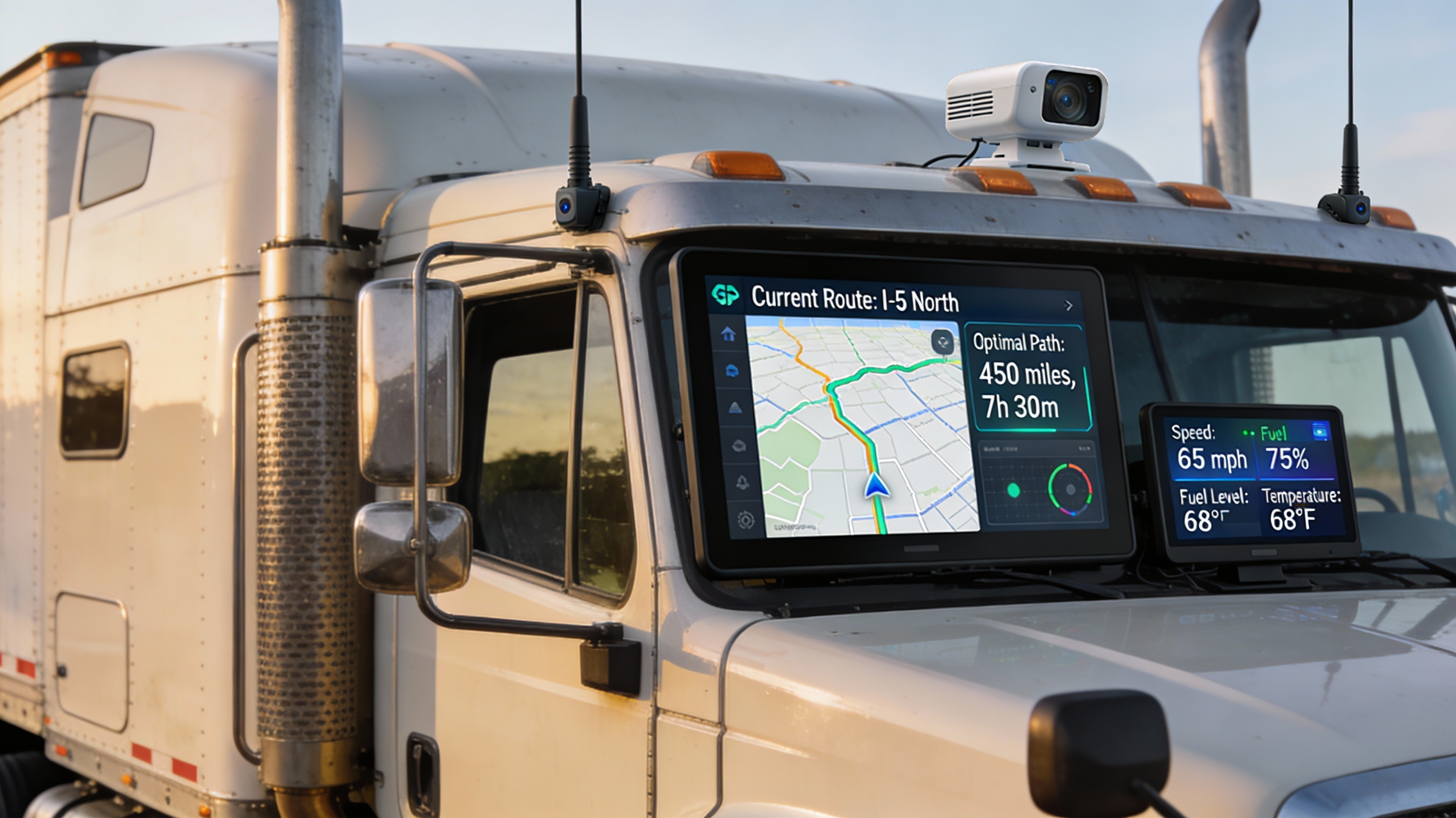
The importance of enhancing the driver experience cannot be overstated; therefore, fleets increasingly turn towards technology solutions designed to address these operational challenges. Innovations such as Transportation Management Systems (TMS), AI-driven tools, and in-vehicle technology play a pivotal role in streamlining operations while improving the daily experience of drivers. By integrating these advanced technologies, trucking companies not only seek to foster communication but also strive to cultivate a more engaging work environment that encourages retention and loyalty.
This technological evolution is becoming ever more critical as revenue generation in the trucking sector becomes increasingly difficult. Companies that prioritize enhancing the driver experience through technology are well-positioned to improve retention rates and achieve operational success, ultimately leading to a more resilient and profitable trucking industry in the long run.
Rob Painter emphasizes the necessity of embracing technology in trucking, stating, “Automation isn’t just about efficiency; it’s about respect for the driver’s time. When we eliminate paperwork and streamline logistics, we make the job more attractive and sustainable, which is key to retaining talent.”
This underscores the significant role that advanced technology plays in mitigating driver turnover and enhancing profitability for fleets.
Connected Tech Ecosystem: Addressing Key Pain Points in Trucking Operations
The evolution of the trucking industry has been dramatically influenced by the rise of a connected tech ecosystem, particularly through innovative tools like Fleet Hub and Freight Marketplace. These technologies have been designed to address specific pain points in trucking operations, enhancing both communication and operational efficiency.
Enhanced Communication and Integration
One of the primary advantages of a connected tech ecosystem is the improvement in communication between drivers, dispatchers, and fleet managers. Fleet Hub provides a centralized platform where real-time updates on loads, routes, and maintenance alerts can be shared instantly. The integration of messaging systems within Fleet Hub allows for seamless communication, reducing the chances of misunderstandings and errors that can arise from traditional communication methods. A study highlights that companies leveraging such platforms experience a 40% reduction in communication delays, leading to quicker decision-making and improved responsiveness to challenges on the road.
Improving Operational Efficiency
Operational inefficiencies have long plagued the trucking industry, but connected technologies are changing this narrative. By utilizing Fleet Hub’s capabilities to aggregate real-time data from vehicles, fleets can optimize routing, thereby reducing empty miles by 15-20%. Moreover, when combined with freight marketplaces, these tools facilitate better load matching; data reveals an improvement in load matching efficiency by 30% as they predict demand patterns effectively.
Automation also plays a crucial role. Tasks such as load booking, invoice processing, and route planning can now be streamlined, allowing drivers to focus more on driving rather than administrative tasks. With fleets saving up to 10 hours a week per driver due to automation, it’s no wonder that companies utilizing this technology have reported lower turnover rates, with up to 25% reduction in driver turnover.
Achieving Cost Efficiency and Retention
The financial implications of operational inefficiencies are stark. High turnover, driven by inadequate systems, can cost fleets tens of thousands of dollars per driver. However, connected technology addresses this issue by enhancing the driver experience. Fleets utilizing these ecosystems are also witnessing a direct correlation with driver retention rates. Features like real-time tracking and automated updates contribute to a more satisfying work environment. Drivers find themselves less frustrated with scheduling and more in control of their work-life balance, with studies indicating retention improvements of up to 18%.
By effectively reducing administrative burdens and enhancing the operational workflow, a connected tech ecosystem positions fleets for profitability in a challenging industry landscape. The capacity to better engage drivers through technology not only benefits the bottom line but also fosters a more stable and efficient trucking operation overall.
Driver Retention Statistics in Trucking
The truck driving profession faces significant challenges in retaining qualified drivers. Statistics published in recent reports indicate that:
- Overall Retention Rates: Around 27.94% of truck drivers are likely to remain in their profession, while 53.71% plan to stay within the broader freight industry.
- Demographic Insights: Younger drivers (under 39) show a retention willingness of 55.14%, and female drivers exhibit even higher rates at 62.86%.
- Influence of Technology: Advanced technologies, such as Transportation Management Systems (TMS) and digital platforms, are significantly enhancing the driver experience. Improved career progression opportunities lead to higher retention rates, fostering greater job satisfaction and loyalty.
- Operational Efficiencies: The combination of effective communication and back-office efficiencies provided by digital tools is vital. These improvements contribute to a better work-life balance for drivers, which can help decrease stress and workloads. One enterprise reports a 28% reduction in turnover linked to management algorithms that optimize scheduling and operational processes.
- Experience Correlation: A substantial percentage of drivers (approx. 69.41%) have over 11 years of experience, indicating a degree of stability. Many transition into different roles in the transportation ecosystem when leaving driving, aided by technological advances that create pathways for career development.
Ultimately, these findings illustrate the necessity of integrating new technologies to enhance both communication and operational efficiencies within the trucking industry, thus improving driver retention significantly.
The Benefits of Integrating AI Agents in Trucking Operations
Integrating AI agents into trucking operations presents numerous advantages that can transform the landscape of this essential industry. One of the most significant benefits is the automation of repetitive and administrative tasks, including order entry and invoice scanning. By leveraging AI technology, fleet managers can mitigate the burdens placed on both drivers and office staff, creating a more streamlined and efficient operational framework.
Streamlining Administrative Tasks
AI agents excel in processing vast amounts of paperwork that traditionally weigh down driver productivity. Tasks such as order entry, where details from customer requests are manually inputted into systems, can be automated. This not only speeds up the process but also minimizes the risk of human errors that lead to costly delays. Similarly, invoice scanning, which requires time-intensive manual review, can be expedited through AI-powered systems, allowing for quicker billing cycles and improved cash flow.
Alleviating Burdens on Drivers
With the automation of these administrative tasks, drivers can focus on what they do best: driving. Constant paperwork can distract from the road, cause stress, and contribute to driver fatigue. By alleviating these burdens, AI agents enable drivers to maintain better concentration and job satisfaction. Studies show that reducing administrative work can increase the time drivers spend on the road, ultimately leading to higher productivity without the need for more hours worked.
Enhancing Communication and Coordination
Furthermore, AI agents can facilitate better communication within fleets. By providing real-time updates on shipment status and routing information, drivers can make informed decisions on the fly. This level of transparency improves coordination between drivers and fleet managers, significantly reducing misunderstandings and operational hiccups. Fleet managers are better equipped to provide support, allowing drivers to address issues immediately as they arise, which enhances overall efficiency.
Supporting Fleet Managers in Decision Making
For fleet managers, AI agents deliver valuable insights derived from data analysis. By monitoring performance metrics and identifying patterns across operations, these tools help managers make informed decisions that enhance operational efficiency. Fleet managers can focus on strategic planning rather than being overwhelmed by day-to-day administrative hassles.
Overall, the integration of AI agents enables trucking operations to not only alleviate burdens on drivers and fleet managers but also enhance engagement, operational efficiency, and profitability. By embracing these technologies, the industry can sustain itself amid increasing challenges, ultimately benefiting everyone involved in the transportation ecosystem.
| Tech Solution | Key Features | Potential Costs | Benefits for Driver Experience |
|---|---|---|---|
| Fleet Hub | Real-time updates, centralized communication, load optimization | Subscription model, varies by size | Enhances communication, reduces misunderstandings, provides schedule transparency |
| Freight Marketplace | Load matching, predictive analytics | Transaction fees on shipments | Increases driver control over routes and schedules |
| Transportation Management System (TMS) | Route optimization, automated paperwork, performance metrics | Initial setup fees + monthly fees | Simplifies administrative tasks, leading to less frustration and more driving time |
| AI Agents | Automation of tasks, data-driven insights | Implementation costs, maintenance | Reduces administrative burden, enhances decision making and efficiency |
| Telematics Systems | Vehicle tracking, maintenance alerts, driving behavior analytics | Installation + monthly service | Provides real-time insights for better route management and vehicle maintenance |
| In-Vehicle Technology | Driver communication tools, user-friendly dashboards | Device purchase + service fees | Makes driving easier with intuitive interfaces and immediate access to info |
Future of Trucking with Connected Ecosystems
The evolution of the trucking industry is poised to be significantly influenced by the continuous advancements in technology, particularly through the development of connected ecosystems. These advancements not only aim to optimize operational efficiencies but also have profound implications on the roles of drivers, their job satisfaction, and overall retention rates.
Evolution of Driver Roles
With the integration of connected technologies, the traditional roles of truck drivers are evolving into more sophisticated positions. The introduction of telematics and AI-driven software enables drivers to access real-time data regarding their routes, vehicle conditions, and freight status. This empowers them to make timely decisions, enhancing their engagement and sense of control over their work. Rather than merely following instructions, modern drivers can participate in optimizing routes, both for safety and fuel efficiency, which allows them to take pride in their contributions to the operational success of their fleet.
Enhanced Job Satisfaction
Job satisfaction among drivers is being transformed as connected technologies streamline daily tasks and reduce the administrative burdens that have often contributed to frustration. For instance, conventional paperwork associated with route planning, load documentation, and communication can be automated through integrated mobile platforms. This easing of operational stress enhances the overall experience, allowing drivers to dedicate more time on the road and less on clerical work. The satisfaction gained from a more manageable workload is pivotal in fostering loyalty to their company.
Reducing Turnover Rates
Turnover rates in trucking have long been a concern for fleet managers, costing companies heavily in terms of recruitment and training. However, the adoption of connected technologies can directly mitigate these issues. Enhanced communication channels foster clearer relationships between drivers and their supervisors, resulting in better support systems that address driver concerns promptly. For instance, automated feedback loops through connected devices can highlight specific needs or preferences of drivers, enabling tailored solutions that enhance their work experience. Studies suggest that fleets effectively using connected technologies observe reductions in turnover rates by up to 25%, reflecting a direct connection between job satisfaction and technology integration.
Conclusion
As the trucking industry continues to navigate a challenging landscape, the emphasis on creating a connected tech ecosystem is more critical than ever. By reimagining the role of drivers and enhancing their satisfaction, fleets can not only retain talent but also drive towards a future characterized by improved efficiency and profitability. Thus, embracing these technological advancements is not merely about staying competitive; it is an essential step towards fostering a sustainable workforce and a resilient trucking industry.
Conclusion
In summary, the journey towards a more profitable and efficient trucking industry hinges on the creation of a supportive tech ecosystem tailored for drivers. As outlined throughout this article, the integration of advanced technologies such as Transportation Management Systems (TMS), AI agents, and communication platforms not only streamline operations but also significantly enhance the driver experience. When drivers feel supported and valued through improved communication and automated administrative processes, they are more likely to remain loyal to their companies.
Empirical evidence suggests that an investment in technology can lead to substantial reductions in turnover rates, with some fleets experiencing decreases of up to 25%. This is crucial, given that replacing a driver can cost tens of thousands of dollars, impacting overall profitability. By fostering a connected environment where drivers have access to real-time information and streamlined workflows, fleet managers can cultivate not only a more engaged workforce but also a more resilient business model.
Ultimately, embracing a connected tech ecosystem is not merely reactive to current challenges; it represents a proactive strategy for the future of the industry. The path forward is clear: investing in technology that supports drivers will lead to increased retention and profitability, ensuring the sustainability of operations in the evolving landscape of trucking.
Conclusion
In summary, the journey towards a more profitable and efficient trucking industry hinges on the creation of a supportive tech ecosystem tailored for drivers. As outlined throughout this article, the integration of advanced technologies such as Transportation Management Systems (TMS), AI agents, and communication platforms not only streamline operations but also significantly enhance the driver experience. When drivers feel supported and valued through improved communication and automated administrative processes, they are more likely to remain loyal to their companies.
Empirical evidence suggests that an investment in technology can lead to substantial reductions in turnover rates, with some fleets experiencing decreases of up to 25%. This is crucial, given that replacing a driver can cost tens of thousands of dollars, impacting overall profitability. By fostering a connected environment where drivers have access to real-time information and streamlined workflows, fleet managers can cultivate not only a more engaged workforce but also a more resilient business model.
In this regard, American Trucking Associations aptly state, “Driver wellness is not a luxury—it’s a business imperative. When drivers feel valued, respected, and supported, they perform better, stay longer, and become ambassadors for your brand.”
Ultimately, embracing a connected tech ecosystem is not merely reactive to current challenges; it represents a proactive strategy for the future of the industry. The path forward is clear: investing in technology that supports drivers will lead to increased retention and profitability, ensuring the sustainability of operations in the evolving landscape of trucking.
| Current Industry Statistics Example | Description | Value |
|---|---|---|
| Estimated Driver Shortage | Projected number of truck drivers needed | 160,000 drivers over the next decade |
| Average Cost of Turnover | Estimated cost incurred for replacing a driver | Tens of thousands of dollars |
| Retention Rates | Overall retention of truck drivers | 27.94% with 53.71% remaining in freight |
| License Demographics | Retention willingness among younger drivers | 55.14% under age 39; 62.86% female |
| Impact of Technology | Retention improvement due to tech solutions | Up to 18% increase in retention |
| Efficiency Gains | Reduction in empty miles with tech solutions | 15-20% reduction in empty miles |
| Productivity Improvements | Reduction in administrative tasks contributing to productivity | Up to 10 hours saved per week per driver |
Incorporating driver wellness programs into fleet operations not only enhances driver health but also significantly impacts retention rates. Statistics show that carriers with structured wellness programs report up to 40% lower turnover among participating drivers. For instance, initiatives that focus on mental health and physical wellness have proven effective, leading to reductions in turnover rates by 25-30%. These wellness initiatives result in drivers feeling more valued and engaged, creating a more sustainable workforce.
Furthermore, integrating trucking safety technology in fleet management can also improve retention. Advanced systems such as collision mitigation technologies and lane departure warnings have been linked to reduced driver stress and fatigue. Fleets implementing these safety systems report 15-20% improvements in retention rates. Drivers equipped with safety technology feel more secure on the road and often express higher job satisfaction as a result.
As we explore the effectiveness of various tools to enhance the driver experience, it is clear that both driver wellness programs and trucking safety technology play pivotal roles in creating a supportive work environment. They not only address immediate safety concerns but also foster long-term loyalty and commitment from drivers, ultimately leading to a more stabilized workforce and higher operational efficiency.
Stay Ahead in Trucking Technology
Are you interested in staying updated on the latest advancements in trucking technology? Subscribe to our newsletter to receive timely updates, expert insights, and industry news that matter to you. Join a community committed to enhancing driver experiences and operational efficiency in the trucking sector. Don’t miss out on the future of trucking—sign up today!