

Understanding Capital One Auto Finance and Gap Insurance
Navigating the world of auto financing can be a daunting task, especially with numerous options available. For individual car buyers, auto dealerships, and small business fleet owners, understanding financing solutions like those offered by Capital One Auto Finance is pivotal in making informed decisions. Not only does mastering these options enhance purchasing power, but it also ensures long-term financial security.
One crucial aspect that often goes overlooked is Gap Insurance, which provides invaluable protection against potential financial losses resulting from an accident or theft where the remaining loan balance exceeds the vehicle’s value. This insurance is especially relevant in today’s volatile market, where vehicle depreciation rates can substantially impact owners’ finances. By comprehending the nuances of these financial tools and products, buyers can make strategic choices that safeguard their investments. In this discussion, we will delve deeper into the specifics of Capital One Auto Finance and the vital role Gap Insurance plays, ensuring that whether you are acquiring a single vehicle or managing a fleet, you are well-equipped to protect your interests. Learn more about the impact of vehicle values on financing options.
As we explore these topics, we aim to shed light on the importance of these services for diverse buyers, helping them navigate the complexities of automotive finance effectively.
Understanding Gap Insurance
What is Gap Insurance?
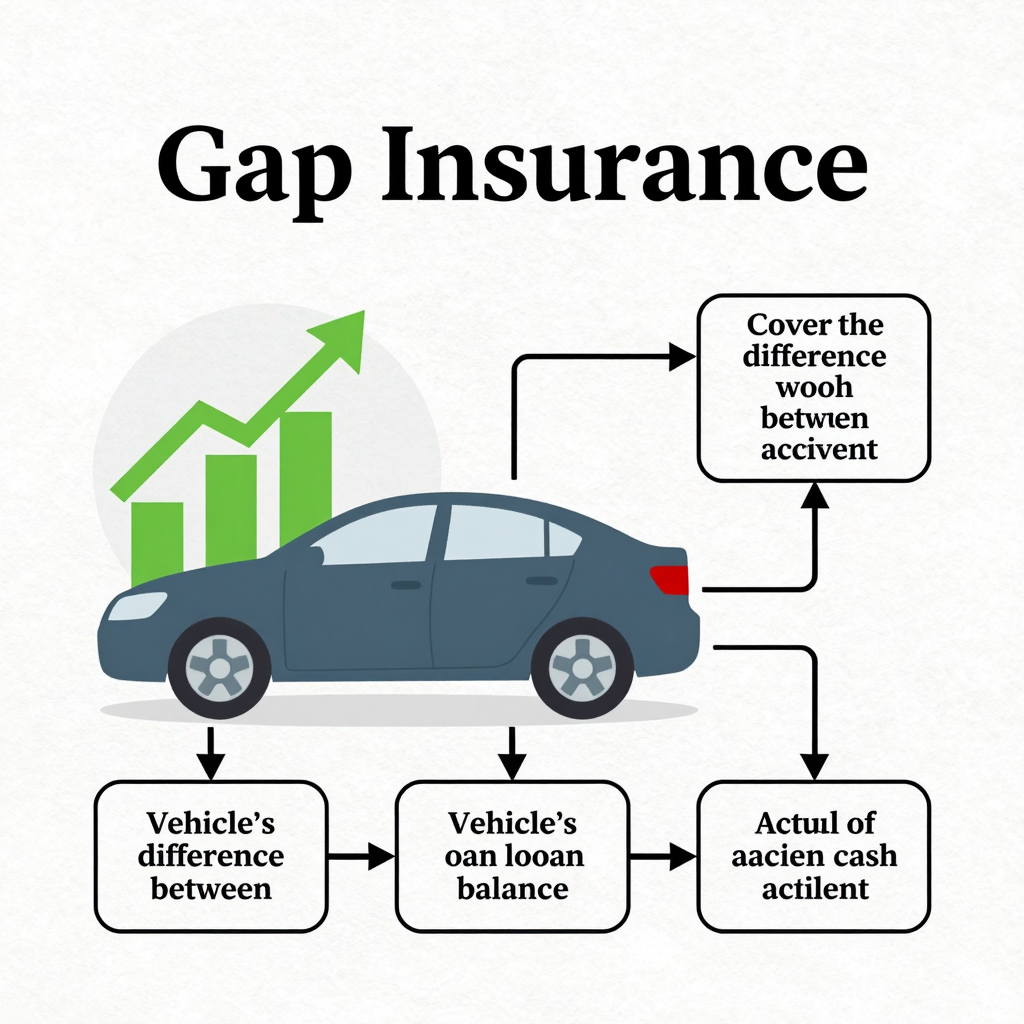
Gap Insurance, or Guaranteed Asset Protection insurance, is a specialized type of insurance designed to protect vehicle buyers against financial losses resulting from rapid depreciation. When you buy or lease a car, it loses value the moment you drive it off the lot. If your vehicle is totaled in an accident or stolen, your standard auto insurance will typically only cover the vehicle’s actual cash value (ACV) at the time of the incident. This ACV is often much less than what you owe on your car loan or lease, potentially leaving you with a significant financial gap.
For instance, if you’ve bought a new car for $30,000 and three years later, it’s worth only $20,000, but you still owe $25,000 on your loan, without Gap Insurance you would have to pay that $5,000 difference out of pocket. However, if you have Gap Insurance, it would cover that remaining balance, freeing you from financial burden during an already stressful time.
How Does Gap Insurance Work?
When purchasing Gap Insurance, you are essentially paying for peace of mind. In the event that your vehicle is totaled or stolen, your primary auto insurance will first pay out the amount of the car’s current value. Gap Insurance then steps in to cover the difference between the outstanding loan balance and the ACV provided by your main insurance. Not only does this ensure you are not left with debt from a car you no longer own, but it can also cover certain fees associated with your loan, such as taxes or finance charges.
Why is Gap Insurance Relevant for Vehicle Buyers?
Gap Insurance is particularly relevant for:
- First-Time Buyers: Especially for those who make a small down payment or opt for longer loan terms, making it easier to be upside-down on the loan.
- Leasing: If leasing a vehicle, you might be on the hook for the remaining balance if the car is totaled.
- New Cars: New vehicles depreciate significantly in the first few years, sometimes by up to 30% within the first year alone.
It’s generally offered at the point of sale by dealerships, but can also be purchased through your auto insurance provider. Understanding and considering Gap Insurance helps you avoid unexpected financial strain, ensuring that you are not left holding a loan for a vehicle that no longer exists.
For further reading on managing vehicle financials, consider learning more about truck ownership finances.
Benefits of Gap Insurance
Gap insurance can be a wise financial decision for many car buyers, particularly those financing their vehicles. Here are some key benefits:
-
Protection Against Depreciation: New cars can lose value rapidly, often by as much as 60% within the first three years. Gap insurance covers the difference between what your comprehensive insurance pays out if your car is totaled and what you still owe on your loan. This coverage can prevent significant financial loss, putting buyers in a more secure position. For instance, if you finance a car for $30,000 but it’s only valued at $20,000 after an accident, gap insurance can cover the $10,000 difference, protecting you from unexpected debt.
-
Financial Peace of Mind: With gap insurance in place, car buyers can enjoy peace of mind knowing that they won’t be left in a precarious financial situation if their vehicle is written off. This assurance is particularly valuable for those with low down payments or high loan balances, as they may face substantial financial gaps.
-
Covering the Remaining Loan Balance: Many buyers, especially those purchasing vehicles with high depreciation rates, find that their auto insurance payout does not cover the entire remaining balance on their loans. This becomes even more critical in cases of partial losses or if the vehicle is deemed a total loss. Gap insurance can bridge this gap, ensuring buyers are not left with a financial burden after an accident.
-
Ideal for High-Risk Scenarios: Buyers of certain types of vehicles, such as electric cars and models with advanced technology features, may also experience quicker depreciation, making gap insurance an ideal choice. With the increase in high-value financial commitments linked to vehicle purchases, the relevance of gap insurance continues to grow.
-
No Hidden Costs: Unlike traditional auto insurance that may have various exclusions or hidden fees, gap insurance straightforwardly covers the difference between the car’s insurable value and the amount owed on the financed vehicle. This clarity helps buyers make informed decisions without worries about unexpected expenses.
In summary, gap insurance is particularly beneficial for individuals financing their vehicles, helping to alleviate concerns related to depreciation and providing essential financial protection. For further insights into managing vehicle ownership finances, learn more here.
Overview of Capital One Auto Finance’s Offerings
Capital One Auto Finance is a prominent player in the auto financing sector, providing a range of products that cater to individual car buyers, auto dealerships, franchises, and small business fleet buyers. Their offerings primarily focus on auto loans, delivering effective financial solutions to help customers navigate the purchasing process.
Auto Loan Products
Capital One offers various auto loan products, including financing for both new and used vehicles. Key features of their auto loan offerings include:
- Loan Amounts: Financing options range from $4,000 to $40,000, catering to both budget-conscious buyers and those looking to purchase higher-end vehicles.
- Flexible Terms: Borrowers can choose loan terms from 36 to 72 months, allowing for customizable payment plans that align with their financial situations.
- Broad Vehicle Eligibility: Unlike many competitors, Capital One extends financing to vehicles up to 10 years old with a mileage limit of 150,000 miles, providing access to loans for a wider range of vehicles.
For more detailed information about the different financing options available, you can find out more about Capital One’s auto loans.
Gap Insurance Association
Capital One Auto Finance also includes an option for Gap Insurance, which serves as a valuable safety net for car buyers. Gap Insurance covers the difference between the actual cash value of the vehicle and the remaining balance on an auto loan in the event of a total loss due to theft or accident. This feature is crucial for borrowers, especially when vehicle depreciation comes into play. Here’s why their Gap Insurance can be beneficial:
- Complete Coverage: In cases where a vehicle is deemed a total loss, this insurance can protect car owners from paying out-of-pocket for the remaining loan balance, effectively alleviating financial stress during unfortunate circumstances.
- High Coverage Limits: Capital One’s Gap Insurance can cover up to 100% of the remaining loan balance, making it a robust solution for safety-conscious buyers.
Advantages Over Competitors
Capital One differentiates itself through several competitive advantages:
- Integrated Services: The platform simplifies the car shopping experience by allowing users to browse vehicles while obtaining financing in a single seamless process. This integration reduces the hassle of dealing with separate loans and dealerships.
- Flexibility for Older Vehicles: With the ability to finance older cars and those with higher mileage, Capital One serves customers who may struggle to get approval elsewhere. This includes not only private buyers but also small businesses looking to finance a fleet of vehicles.
- User-Friendly Tools: Capital One provides useful online tools and resources, helping potential borrowers to estimate payments, learn about loan options, and apply for pre-approval quickly. This emphasis on accessibility enhances the overall customer experience.
In summary, Capital One Auto Finance combines flexible auto loan offerings with comprehensive Gap Insurance coverage, showcasing a commitment to meeting the diverse needs of car buyers. Their innovative approach and user-centric services position them as a leading option in the financial landscape for auto loans. For insights on managing your car ownership finances, consider exploring additional resources here.
Comparison of Gap Insurance Providers
When considering Gap Insurance, it’s essential to compare different providers for their coverage limits, premiums, and claims processes. Below is a comparison table highlighting key aspects of various Gap Insurance providers, including Capital One.
| Provider | Coverage Limits | Monthly Premiums | Claims Process Summary |
|---|---|---|---|
| Capital One | Covers the difference between your vehicle’s value and loan balance; often limited to $50,000 | $10-$15 | Usually processed within 7-14 days after the claim submission, must be done through Capital One directly. |
| Allstate | Can cover up to the actual cash value (ACV) of your vehicle, no set max listed | $15-$30 | Claims processed through an online portal, typically rapid approval. |
| Nationwide | Covers up to $50,000, depends on the vehicle and loan type | $10-$20 | Claims can be initiated online with prompt response times. |
| Liberty Mutual | Generally caps at $50,000, coverage specifics may vary by policy | $12-$25 | Majority handled online; quick claims responses reported. |
| GEICO | Typically offers coverage equal to the ACV of the vehicle | $8-$20 | Easy online claims submission, with quick turnaround for payments. |
| Progressive | Offers a variety of options with coverage limits typically around $50,000 | $10-$30 | Can file claims through the app or website, with notifications at each step of the process. |
Summary
- Capital One provides competitive premiums and straightforward processing, making it a viable option for many buyers.
- Allstate and Nationwide are rated highly for their customer service and quick claims processing, while Liberty Mutual and GEICO offer flexibility in coverage limits but can vary significantly in terms of premiums.
- Progressive also stands out for its varied options and user-friendly claims process.
For those considering Gap Insurance as part of their auto financing, it’s a good idea to evaluate the specific features and service levels of these providers. To understand more about managing auto finances, you can learn more about auto financial solutions.
Real-World Application of Gap Insurance through Capital One Auto Finance
Consider the case of Jessica, a single mother who recently purchased a new SUV through Capital One Auto Finance. Excited and relieved to replace her old, unreliable vehicle, she opted for gap insurance as an additional safeguard. This decision proved invaluable when, just six months later, a tragic accident occurred that left her SUV a total loss.
With the SUV valued at $30,000 by her insurance company, Jessica learned that her outstanding loan balance was $45,000. Without gap insurance, she would have faced a staggering $15,000 debt-an impossible burden trying to raise two young children on a single income. The emotional relief of knowing that she had gap insurance in place allowed her to focus on her family’s recovery rather than financial despair.
Thanks to the gap insurance coverage provided by Capital One, Jessica received the necessary funds to cover the $15,000 difference. This benefit not only saved her from a financial crisis but also lifted a significant weight off her shoulders, allowing her to move forward without the looming threat of debt collection. Her experience underscores the importance of having such protection in place, especially when life is unpredictable.
The financial relief from gap insurance not only prevented a monetary burden but also provided Jessica with peace of mind during a challenging time. She could easily navigate the complexities of her situation without adding stress about her financial future. By preventing the scenario from becoming a severe liability, gap insurance proved essential in giving her a sense of stability and reassurance after a traumatic event.
If you’re considering purchasing a vehicle, it’s worth evaluating the comprehensive benefits of gap insurance as part of your overall financial strategy. No one anticipates accidents, but having the right coverage can make all the difference when they occur.
By adopting a proactive financial mindset, akin to Jessica’s, you can secure your investments and protect your emotional well-being.
For those engaged in managing vehicle ownership finances, exploring the financial implications of various options, including gap insurance, can lead to informed and beneficial decisions. Additionally, for insights into better financial strategies, learn more about truck ownership finances.

Gap Insurance Statistics
Following Jessica’s story, it’s illuminating to consider some statistics surrounding gap insurance:
| Country | Platform/Study Source | Year | Key Statistic | Description |
|---|---|---|---|---|
| United States | DEFEND INSURANCE GROUP (Real Case Studies) | 2026 | 78% of car owners with gap insurance avoided financial loss after total loss | In cases where vehicles were totaled or stolen, gap insurance covered the difference between insurance payout and outstanding loan balance. |
| United States | Insurance Information Institute (III) | 2025 | 43% of vehicle loans exceed vehicle value (negative equity) | This highlights the prevalence of situations where gap insurance would be beneficial. |
| Canada | Canadian Federation of Independent Business (CFIB) | 2024 | 61% of used car buyers financed their purchase | Higher financing rates increase exposure to negative equity, making gap insurance more relevant. |
| United Kingdom | Money Advice Service (UK Government-Linked) | 2023 | 29% of drivers reported being “underwater” on their car loan at some point | Indicates widespread risk of financial vulnerability without gap coverage. |
These statistics reflect the importance of gap insurance as part of responsible vehicle financing, highlighting how coverage can provide a safety net during unforeseen circumstances.
Protect Your Investment with Gap Insurance from Capital One Auto Finance
When purchasing a vehicle, ensuring its protection is paramount. One of the most effective ways to achieve this is by considering Gap Insurance through Capital One Auto Finance. This coverage is designed specifically to safeguard you against unexpected financial loss due to depreciation, which can often leave vehicle owners financially vulnerable in the event of a total loss or theft.
Financial Protection
Gap Insurance covers the difference between what you owe on your vehicle and its actual cash value at the time of a loss. For instance, if your car is totaled in an accident soon after purchase, traditional insurance may cover only its depreciated value – leaving you to pay the remaining balance out of pocket. With Capital One’s Gap Insurance, you can avoid that stress and focus on moving forward.
Easy Access
Obtaining Gap Insurance through Capital One is straightforward and hassle-free. By incorporating this protection into your auto financing package, you can rest easy knowing that your investment is secured without the complications of engaging multiple insurers or processing claims separately. It’s a seamless addition that provides peace of mind while ensuring your financial liabilities are manageable.
Take Action Now
Don’t leave your financial future to chance. Explore the opportunity to include Gap Insurance in your auto finance strategy today. With critical protection at an affordable rate, you’ll find that it’s not just an option, but a necessity for every responsible vehicle owner.
Reach out to Capital One Auto Finance and ask about Gap Insurance now! For more insights into managing your vehicle ownership costs, learn more about financial management for first-time truck owners or dive into the trends affecting the auto financing landscape to make informed decisions.
Customer Testimonials on Capital One Gap Insurance
Gap insurance can be a lifesaver for individuals who find themselves in situations where their vehicle is deemed a total loss. Capital One’s gap insurance has been praised by many customers who have successfully made claims and benefitted significantly from their policies. Here are a few real testimonials that highlight the effectiveness and reliability of Capital One’s gap insurance:
1. Consumer Reports Insights
According to Consumer Reports, customer feedback illustrates a high level of satisfaction with Capital One’s gap insurance. Customers have expressed appreciation for the straightforward claims process and rapid payout times. One reviewer mentioned that their gap insurance covered a deficiency of $12,000 after their vehicle was totaled, stating, “This coverage saved me from a major financial setback.”
2. Real-Life Case Study
An article from the Capital One Auto Finance Blog showcases a customer who experienced a total loss of their leased SUV due to an accident. They faced a daunting $15,000 gap between their loan balance and the vehicle’s cash value. Fortunately, Capital One’s gap insurance covered the entire difference, preventing them from owing any money for a car they no longer had. This case underscores the importance of gap insurance in protecting against significant financial loss during unfortunate circumstances.
3. Reddit User Testimonial
An engaging post on Reddit highlights another real customer’s experience: they shared that Capital One’s gap insurance paid out $9,200 after their leased vehicle was totaled. The user pointed out that without this insurance, they would have still been responsible for the remaining lease payments despite having no vehicle. They credited Capital One for their transparent communication throughout the claims process and concluded that the cost of the policy was, “the best money I’ve ever spent” on auto protection.
Conclusion
With such testimonials, it’s clear that Capital One’s gap insurance offers essential support and reassurance to car buyers. The effectiveness of these policies not only enhances financial security but also builds trust, proving invaluable in difficult times.
Key Takeaways on Gap Insurance with Capital One Auto Financing
As we concluded our exploration of gap insurance in relation to Capital One auto financing, it is imperative to highlight the critical benefits and importance of this coverage for car buyers.
Understanding Gap Insurance
Gap insurance is designed to cover the difference between what your primary auto insurance pays out in the event of a total loss (whether from theft or an accident) and what you still owe on your automobile loan. This is particularly crucial for individuals who finance or lease a vehicle with low down payments, long loan terms, or those driving a new car that depreciates rapidly.
Importance of Gap Insurance
- Protection Against Depreciation: New vehicles lose up to 10% of their value in the first month alone, which means buyers can quickly find themselves owing more than their vehicle is worth, commonly referred to as being “upside down” on their loan. In these scenarios, gap insurance becomes a wise safeguard, ensuring that the borrower isn’t left financially responsible for a vehicle they can no longer use.
- Convenience with Capital One: Capital One offers gap insurance as an optional product alongside their auto financing plans, simplifying the process for customers to manage both their loan and insurance needs in one place. Through Capital One, customers can acquire gap insurance at the time of loan application, making it easy to integrate into your financing decision.
- Avoid Unforeseen Financial Burdens: Without gap insurance, borrowers risk facing considerable out-of-pocket expenses if their car is totaled. For example, if a vehicle worth $18,000 is totaled but the borrower owes $22,000, gap insurance would cover the $4,000 difference, saving the borrower from unexpected financial strain.
Encouragement for Informed Action
In summary, while gap insurance may not be mandatory, considering its acquisition alongside your auto financing is a proactive approach to effectively managing your investment. It’s especially beneficial in the context of financing through Capital One, where customers can assess their gap insurance options tailored to their specific financing needs. To learn more about managing your auto financing effectively, you can visit Davis Financial Advisors.
By arming yourself with gap insurance, you take a significant step in safeguarding your financial future in the auto financing landscape.