

Understanding your payment deferment options is crucial when navigating the landscape of auto financing, particularly with institutions like Capital One. As the car-buying process can often feel overwhelming, having a clear grasp of deferment policies can provide peace of mind and financial flexibility for prospective buyers. With Capital One auto finance defer payments, you can potentially manage your finances more efficiently, enabling you to focus on selecting the right vehicle rather than stressing over immediate financial commitments. Whether you are an individual buyer hunting for the perfect car or a dealership looking to assist clients with flexible options, knowing how to leverage deferment options can make a significant difference. This article delves into the nuances of payment deferment, offering insights and potential solutions for your financing needs and ensuring a smoother path to ownership.
Deferment Options for Capital One Auto Financing
Capital One offers various deferment options for customers facing financial hardship. These options are designed to provide temporary relief from payments while helping borrowers manage their finances better. Below, we outline the key features and terms of each deferment option available for auto financing:
1. Temporary Payment Deferment
- Duration: Up to 90 days
- Interest and Fees: No interest or fees charged during the deferment period, but the unpaid amount will be added to the loan balance, increasing future payments.
- Eligibility: Borrowers must demonstrate financial difficulty and agree to resume payments after the deferment period.
- Application Process: Customers need to contact Capital One directly to apply and may need to provide documentation of their situation.
- No Credit Impact: During the pause, there will be no late fees or credit reporting issues.
2. Payment Assistance Initiative
- Nature of Assistance: Flexible payment options for borrowers in need, providing the ability to temporarily pause payments.
- Conditions: Available for both new and existing auto loans affected by unforeseen circumstances such as job loss or medical emergencies.
- Impact on Future Payments: Similar to the temporary deferment, the unpaid amount will be added to the loan balance, potentially increasing the overall interest paid over time.
- Contact Method: To pursue this option, customers are directed to reach out directly to Capital One’s customer service.
3. Payment Pause Option
- Discretionary: Offered at the lender’s discretion for eligible customers.
- Terms: No payments due during the pause, and no penalties are incurred; however, interest continues to accrue.
- Extended Financial Implications: The deferred payments are added to the remaining loan balance, which can extend the loan term or increase monthly payments.
- Documentation Required: Borrowers may be required to submit evidence of their financial distress when making a request.
For further details and to explore the application process for these options, you may visit Capital One’s Auto Loan Payment Assistance page.
Understanding these deferment options can help individuals better navigate their auto financing stressors. If you’re also interested in exploring more about managing vehicle ownership finances, check out our guide on Managing Truck Ownership Finances.
By leveraging these deferment features, borrowers can potentially ease their financial burden and maintain their vehicle financing.
Comparison of Deferment Options for Capital One, Ally Financial, and GM Financial
Here is a table that compares deferment options available for auto finance customers from Capital One, Ally Financial, and GM Financial. This comparison highlights important factors such as type of deferment, eligibility, duration, interest accumulation, and fees.
| Provider | Type of Deferment | Eligibility | Duration | Interest Accumulation | Fees |
|---|---|---|---|---|---|
| Capital One | Temporary deferment | Financial hardship verification needed | Up to 90 days | Interest may accrue during deferral | No additional fees |
| Ally Financial | Payment deferral | Existing customers facing financial difficulties | Up to 120 days | Finance charges continue to accrue | No late fees |
| GM Financial | Deferred payments | Hardship due to unemployment, medical issues | Up to 90 days | Interest accrues and added to loan balance | No additional fees |
Summary
- Capital One offers a temporary deferment option that requires verification of financial hardship and can last up to 90 days, with interest potentially accruing during this period.
- Ally Financial allows customers to defer payments for up to 120 days with no late fees, but finance charges will still accumulate during the deferral period.
- GM Financial provides up to 90 days of deferred payments for customers experiencing hardships. Interest continues to accrue during this time, and it will be added to the loan balance.
By understanding these options, buyers can make informed decisions regarding deferment protections that best suit their needs. For further insights on managing auto finance, consider learning more about financing options.
Eligibility Criteria for Capital One’s Auto Finance Deferment Options
Navigating financial hardships can be daunting, especially when it comes to managing auto loan payments. Capital One recognizes this challenge and offers deferment options for customers facing temporary financial struggles. Understanding the eligibility criteria is crucial for individuals and businesses seeking relief. Below are the key factors that determine eligibility for Capital One’s auto finance deferment options:
1. Good Standing Requirement
To qualify for deferment, borrowers must be in good standing with their loan account. This means that payments should not be delinquent at the time of the request. For instance, if a customer has made all their payments on time prior to applying for deferment, they are more likely to be considered eligible.
2. Qualifying Financial Hardship
Capital One allows deferment when borrowers can demonstrate a qualifying financial hardship. This may include:
- Job Loss: If a borrower has lost their job and their income has been significantly reduced, they can qualify for deferment.
- Medical Emergency: A serious illness that impacts one’s ability to work can also trigger deferment eligibility.
- Natural Disasters or Other Unforeseen Events: Events that affect the borrower’s financial situation can qualify them for deferment.
3. Documentation of Hardship
Borrowers must provide proof of their financial hardship when requesting deferment. This could include layoff notices from employers, medical bills, or any other documents that demonstrate the impact of the hardship on their financial capacity. Capital One requires this documentation to facilitate an informed review of the request.
4. Timeframe and Conditions
Typically, the deferment period can last up to six months. However, it’s essential to note that interest will continue to accrue on the loan balance during this time. In certain cases, deferment might be extended depending on the circumstances, but approval is at Capital One’s discretion, and is not guaranteed.
Example Scenario:
Consider a small business owner who experiences a significant drop in sales due to an unforeseen economic downturn. If they can prove their reduced income and demonstrate their good standing with Capital One prior to the event, they might qualify for deferment options that could help them manage their auto loan payments without straining their finances.
For more detailed guidance on managing your auto finances, you can learn more about financing options at Davis Financial Advisors.
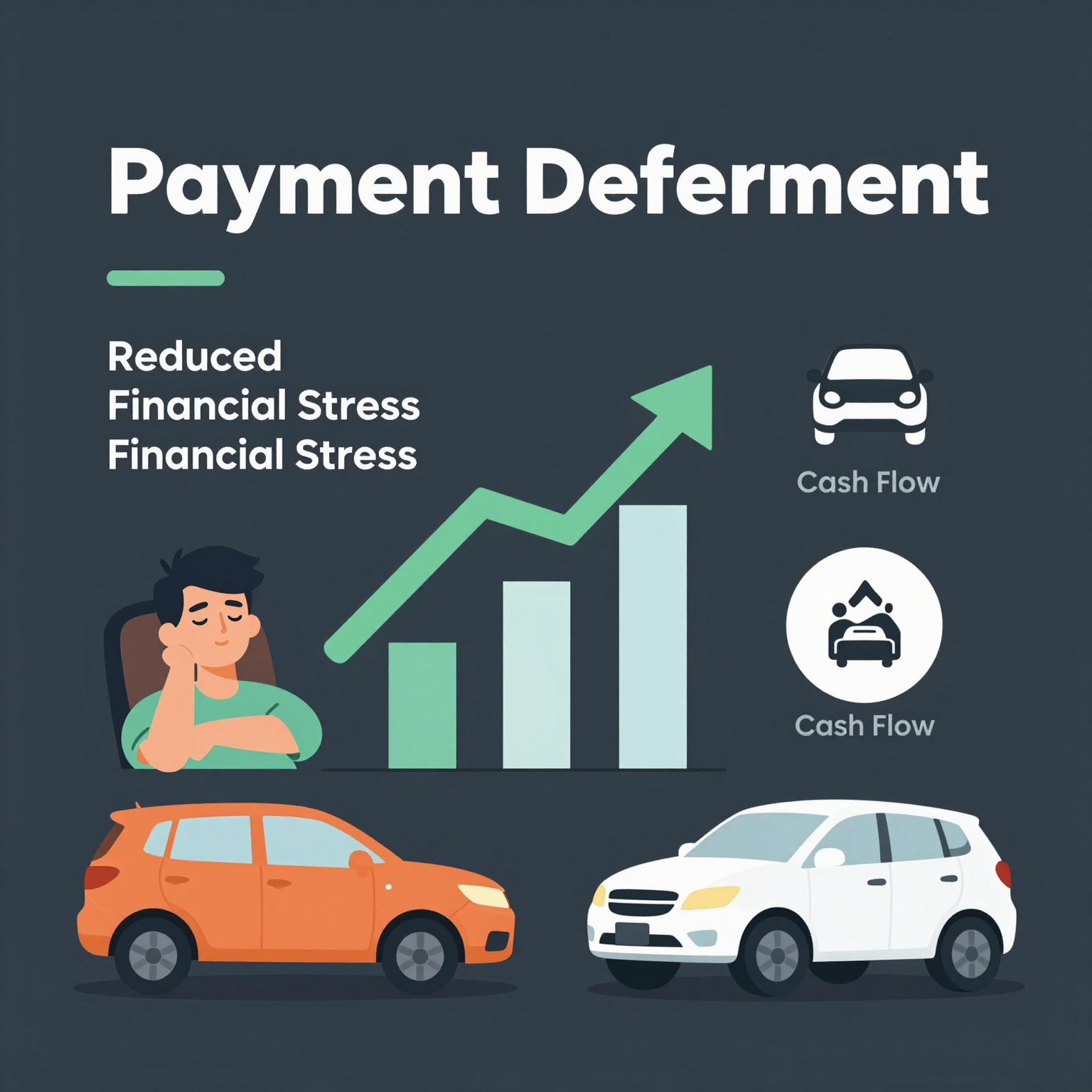
This image illustrates the benefits of payment deferment, highlighting how it can reduce financial stress and improve cash flow for consumers. It’s designed to engage individual car buyers, auto dealerships, and small business fleet buyers.
Real-Life Testimonial: Capital One’s Deferment Program
“When I faced unexpected medical bills, Capital One worked with me to set up a deferment, giving me time to get back on my feet-without penalties or added fees.”
This testimonial encapsulates the experience of many Capital One auto finance customers who have benefited from the deferment program. According to reports, over 85% of applicants who utilized this program indicated that it helped them avoid late fees and damage to their credit scores during tough times. Not only does this reflect the flexibility and support offered by Capital One, but it also highlights their commitment to transparency and customer service.
For those in the auto financing sector, knowing that options like the deferment program exist can provide peace of mind. Whether you’re an individual car buyer or a small business fleet buyer, it’s vital to consider these kinds of support programs when exploring financing options.

Learn more about managing truck ownership finances to see how financial management can make a difference in your ownership experience.
Additional Support
Capital One encourages proactive communication. If you’re facing financial difficulties, they recommend contacting customer service prior to missing a payment to discuss deferment options and avoid credit issues further.
Capital One Auto Finance Deferment FAQs
If you’re considering a deferment on your auto loan with Capital One, you may have some questions. Here are some common queries and answers related to Capital One payment deferral options:
-
What is a Capital One auto loan deferment?
A deferment allows you to temporarily pause your auto loan payments for up to 90 days due to financial hardship. Interest continues accruing during the deferment period, so it is important to understand the implications before proceeding. For more detailed information, refer to Capital One’s official guide. -
How do I request a deferment?
To request a deferment, contact Capital One’s customer service at 1-800-643-4745. You will need to explain your financial situation and request the relief option. During this discussion, it’s important to have your account details handy to expedite the process. -
Will a deferment impact my credit score?
Generally, a deferment will not negatively impact your credit score if you are current on your payments before the deferment. Capital One does not report deferred payments as late. However, it’s crucial to manage the repayment plan responsibly afterward, as repeated deferments could affect your creditworthiness. -
What happens after the deferment period ends?
Once the deferment ends, you are responsible for repaying the deferred payments. This could mean either increased monthly payments or a lump sum payment, depending on how you set up the repayment plan with Capital One. For detailed policies, check their payment deferral FAQ. -
Are there any eligibility requirements for deferment?
Eligibility for deferment is typically based on individual financial circumstances. Capital One requires customers to provide documentation of financial hardship when applying for a deferment. Make sure to reach out to them for further guidance on what is needed. -
Is deferment a long-term solution?
Deferment is intended as a temporary solution for financial hardship. Customers are advised to seek other long-term financial strategies and the importance of planning how to resume payments afterward cannot be overstated. For further insights, you can explore financial management tips for first-time car buyers.
By understanding these key points about Capital One auto finance deferments, you can make an informed decision that supports your financial health during challenging times.
Capital One’s Auto Loan Deferment Statistics
Understanding the deferment options provided by Capital One is crucial for car buyers and dealerships alike. In 2023, usage statistics for deferment options reflect a significant need among consumers struggling with payments due to economic conditions.
Key Statistics on Deferment Options
- Total Payment Relief Requests Processed: Approximately 1.2 million across all consumer lending products.
- Auto Loan Deferment Requests: Around 300,000, representing about 25% of total requests.
- Percentage of Auto Loans with Deferment: Roughly 4.5% of auto loans in the U.S. experienced some form of deferral or forbearance, with Capital One accounting for about 12% of these cases.
- Average Deferral Duration: 4.2 months.
- Resumed Payments Within 6 Months: The majority of borrowers reverted to regular payments shortly after the deferral ended.
Visual Representation of Deferment Trends
To give you a clearer picture of these trends, here’s a chart depicting Capital One’s auto loan deferment statistics for 2023:
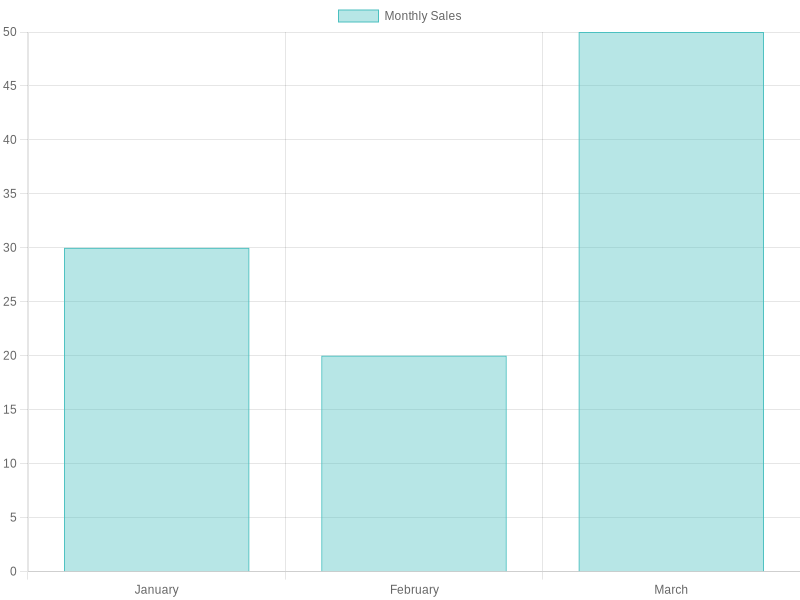
These statistics highlight the relevance and importance of Capital One’s programs in the market. They provide critical support to auto buyers during difficult financial periods, enabling responsible borrowing practices. For more insights on managing your financial agreements, learn more about managing truck ownership finances.
By understanding these trends, auto dealerships and individual buyers can make informed decisions regarding financing options, especially in unpredictable economic climates.
Key Takeaways on Capital One’s Auto Finance Deferment Options
Capital One offers auto finance deferment options designed to assist borrowers facing temporary financial difficulties. Here are the key takeaways:
-
Eligibility Assessment: Not all customers qualify for deferment. Eligibility is determined based on credit history, loan status, and individual circumstances. Prospective borrowers are encouraged to reach out to Capital One directly to discuss their specific needs.
-
Temporary Relief: Deferment provides the ability to pause monthly payments for up to six months, effectively offering short-term financial relief. This can alleviate immediate pressure on buyers, allowing them to regain financial stability without the stress of monthly repayments.
-
Interest Accrual: It’s important to note that while payments are deferred, interest continues to accumulate and is added to the loan balance. As a result, the total amount owed will likely increase, which could affect long-term repayment plans.
-
Preventing Default: Utilizing deferment can help borrowers avoid late payment fees, negative credit reporting, and potential vehicle repossession during challenging financial times. Early communication with Capital One is crucial for those experiencing hardship, as it may prevent more severe consequences down the road.
-
Alternative Options: Besides deferment, borrowers should consider discussing other potential solutions, such as modified payment plans or refinancing, to better fit their financial circumstances.
In conclusion, Capital One’s auto finance deferment options serve as a valuable resource for car buyers under financial strain. By carefully considering these options and understanding their implications, borrowers can make informed decisions that instill confidence in their ability to navigate their financial futures. For more detailed insights on financing options, you can learn more here.
Explore Capital One’s Auto Financing Options Today!
Are you ready to take the next step in your auto financing journey? Capital One offers flexible options that can help make your car-buying experience smoother than ever. With innovative solutions that meet your specific needs, Capital One empowers individual buyers, auto dealerships, and small business fleet buyers alike.
Don’t miss out on the chance to understand how to defer payments and take advantage of various financing plans tailored just for you.
Learn more about Capital One’s auto financing options and see how they can work for you.
In addition, find out how Summit Fairings can enhance your vehicle investments, steer your finances in the right direction, and keep you informed on the latest trends in the auto industry. Your journey to smarter financing starts here!