

In recent years, the trucking industry has faced numerous challenges, underscoring the urgent need for focused legislative support. The establishment of the Congressional Trucking Caucus represents a significant step towards addressing these critical issues, with a particular emphasis on promoting safety and integrity within the sector. By bringing together policymakers and industry experts, the caucus aims to enhance regulations and create a safer environment for truck drivers, businesses, and the broader public.
With the trucking industry generating nearly $906 billion in revenue and providing approximately 8.4 million jobs, its impact on the U.S. economy is both profound and indispensable. As the backbone of American supply chains, the trucking sector plays a vital role in sustaining economic growth and ensuring that goods move efficiently across the nation. The establishment of this caucus not only reinforces the importance of these goals but also signals a commitment to strengthening the industry for the future.
Goals of the Congressional Trucking Caucus
The Congressional Trucking Caucus is an essential body aimed at addressing crucial issues faced by the trucking industry. Its primary goals can be divided into distinct categories: safety, integrity, and representation of professionals within the trucking sector.
Safety
By focusing on safety, the caucus aims to implement regulations and standards that ensure the well-being of truck drivers, other road users, and the general public. This includes advocating for improved infrastructure, technologies, and training programs that can reduce accidents and enhance overall safety on the roads.
Integrity
Integrity is another pillar of the caucus’s goals. Promoting ethical practices within the industry is vital to maintaining public trust and ensuring that trucking companies operate fairly and transparently. The caucus will likely address issues related to compliance with regulations, advocating for fair treatment of drivers, and encouraging practices that uphold the reputation of the trucking profession.
Representation
Lastly, representation is key. The caucus will serve as a platform for trucking professionals to voice their concerns and influence legislative matters that impact their industry. By bringing together lawmakers and industry stakeholders, the caucus can ensure that the needs and perspectives of trucking professionals are considered in policy decisions.
Overall, the goals of the Congressional Trucking Caucus are about fostering a safer, more ethical, and well-represented trucking industry that can thrive in the evolving economic landscape.
Legislative Impact
In light of the significant role that the trucking industry plays, Rep. Taylor emphasized the importance of this caucus, stating, “Generating nearly $906 billion in revenue in 2024, America’s trucking industry powers our economy by creating 8.4 million jobs and securing American supply chains.” This statement underscores the economic significance of trucking and reinforces the caucus’s commitment to addressing relevant legislative concerns.
Economic Impact of the Trucking Industry
The trucking industry is a crucial pillar of the U.S. economy, generating approximately $906 billion in revenue in 2024. This staggering figure highlights the immense role trucking plays in both domestic and global trade. The industry is responsible for moving approximately 72.5% of all freight tonnage in the United States, including vital consumer goods, raw materials, and industrial products.
In addition to its significant revenue generation, the trucking sector has created around 8.4 million jobs across various roles, including truck drivers, logistics coordinators, mechanics, and support staff. This vast employment network not only supports those directly involved but also contributes indirectly by stimulating job growth in sectors such as retail and manufacturing, where reliable freight transportation is essential.
Moreover, the trucking sector’s contribution to the Gross Domestic Product (GDP) is profound. It is estimated that this industry accounted for about 5% of the GDP in the past year. With ongoing growth projected, the trucking industry is expected to continue to energize the economy and foster job creation through 2035, when revenue is anticipated to rise to approximately $1.46 trillion.
The interconnectedness of freight transportation impacts various aspects of life in the U.S. Efficient trucking operations not only help in keeping prices manageable by ensuring swift delivery of goods but also play a vital role in the global supply chain. Therefore, a robust trucking industry is essential not only for maintaining economic stability but also for facilitating continued growth across multiple sectors.
Key Takeaways
- Revenue Generation: Approximately $906 billion in revenue for 2024.
- Job Creation: About 8.4 million jobs supported by the trucking industry.
- Contribution to GDP: Approximately 5% of the national GDP derives from the trucking sector.
- Future Growth Projection: Continued growth expected, with revenue anticipated to escalate to $1.46 trillion by 2035, encouraging further job creation and economic impact.
In summary, the economic significance of the trucking industry cannot be overstated. It plays an indispensable role in maintaining supply chains, supporting jobs, and driving revenue, illustrating its crucial contribution to the American economy as a whole.
| Transportation Sector | Jobs Created | Job Growth Rate (%) | Revenue (in Billions) |
|---|---|---|---|
| Trucking Industry | 8.4 million | N/A | $906 |
| Railroads | 1.5 million | 2.2 | $71 |
| Airlines | 700,000 | 0.5 | $102 |
| Public Transit | 500,000 | 1.8 | $60 |
| Shipping and Maritime | 400,000 | 1.0 | $45 |
The trucking industry stands out remarkably, contributing a significantly higher number of jobs compared to other sectors in transportation. With 8.4 million jobs generated alongside substantial revenue of $906 billion, it plays a vital role in the economy. Other sectors, while imperative, have lesser job impacts and revenues, depicting the trucking industry’s comparative importance in the overall transportation landscape.
Recent Trends in Diesel Prices
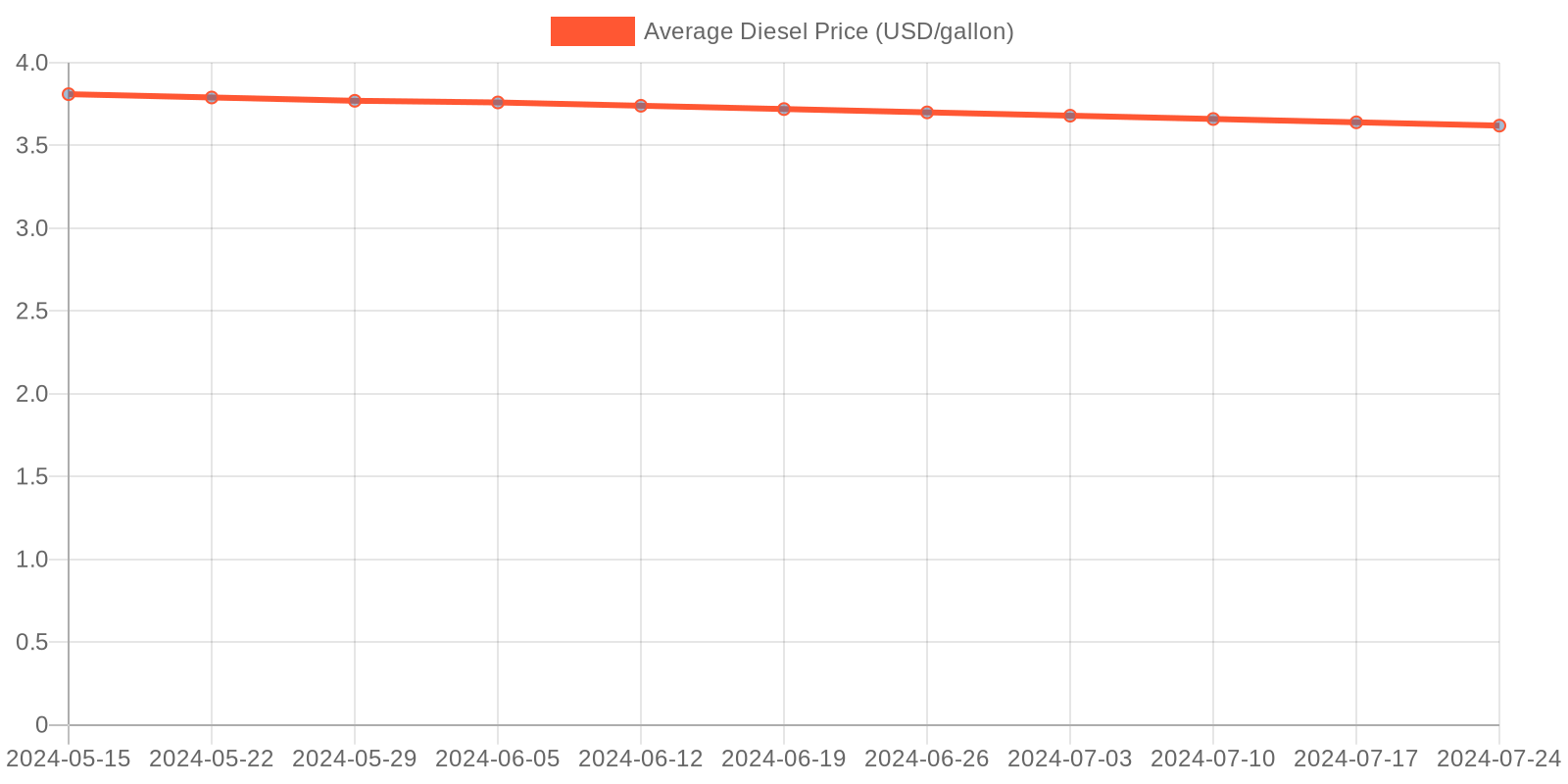
In recent weeks, diesel prices have experienced a notable decline, dropping by 26.1 cents over the last month. As of the latest data, the average price for diesel fuel stands at approximately $3.61 per gallon. This reduction in price is significant, especially within the context of the trucking industry, which heavily relies on diesel fuel for transportation operations.
The implications of these falling diesel prices are multifaceted. Primarily, lower fuel costs can greatly relieve financial pressure on trucking companies. Fuel expenses represent one of the largest ongoing costs for this sector, accounting for a considerable portion of operational budgets. With the recent dip in prices, trucking firms may see an increase in their profit margins, allowing them to allocate resources to other critical areas such as driver salaries, fleet maintenance, and technological upgrades.
Additionally, a decrease in diesel prices can positively affect transportation rates. Lower transportation costs can lead to reduced prices for goods and services as trucking companies may pass on their savings to consumers. This can stimulate overall economic activity, as more affordable transportation costs can make products more accessible to a wider range of consumers.
It is essential, however, for industry stakeholders to remain vigilant. Fuel prices can be volatile, influenced by factors such as geopolitical events, market demand, and changes in crude oil prices. As diesel prices fluctuate, tracking these trends will remain crucial for trucking companies aiming to manage their budgets effectively and maintain competitive service rates.
Conclusion
The establishment of the Congressional Trucking Caucus marks a pivotal moment for the trucking industry, with far-reaching implications for safety, regulation, and economic stability. As the caucus takes shape, its influence could lead to crucial legislative changes that not only enhance the safety of truck drivers and the general public but also address systemic issues inherent within the industry.
Safety will be a primary focus, with the caucus advocating for initiatives that promote safer roadways, better training, and improved technological advancements. These measures can significantly reduce accidents, ensuring that trucks can operate more safely and efficiently on the nation’s highways.
Moreover, the caucus’s commitment to driving ethical standards within the trucking industry cannot be understated. By fostering integrity and transparency, it is likely to create a more equitable environment for truck drivers and operators, leading to a revitalized industry reputation and greater public trust.
From an economic perspective, the caucus’s work stands to reinforce the trucking industry’s contributions to the broader economy. With projected growth and increased revenue, the caucus has the potential to help secure the industry’s role as a cornerstone of the American supply chain. As a result, the trucking industry is poised to not only thrive but also adapt to future challenges and innovations in the years ahead.
Ultimately, the Congressional Trucking Caucus symbolizes a collective effort to elevate the trucking profession, ensuring its viability and sustainability in an ever-changing economic landscape.
In recent years, the trucking industry has faced numerous challenges, underscoring the urgent need for focused legislative support. The establishment of the Congressional Trucking Caucus represents a significant step towards addressing these critical issues, with a particular emphasis on promoting safety and integrity within the sector. By bringing together policymakers and industry experts, the Congressional Trucking Caucus aims to enhance regulations and create a safer environment for truck drivers, businesses, and the broader public. With the trucking industry generating nearly $906 billion in revenue and providing approximately 8.4 million jobs, its impact on the U.S. economy is both profound and indispensable. As the backbone of American supply chains, the trucking sector plays a vital role in sustaining economic growth and ensuring that goods move efficiently across the nation. The establishment of this caucus not only reinforces the importance of these goals but also signals a commitment to strengthening the industry for the future.
Goals of the Congressional Trucking Caucus
The Congressional Trucking Caucus is an essential body aimed at addressing crucial issues faced by the trucking industry. Its primary goals can be divided into distinct categories: safety, integrity, and representation of professionals within the trucking sector.
Safety
By focusing on safety, the Congressional Trucking Caucus aims to implement regulations and standards that ensure the well-being of truck drivers, other road users, and the general public. This includes advocating for improved infrastructure, technologies, and training programs that can reduce accidents and enhance overall safety on the roads.
Integrity
Integrity is another pillar of the caucus’s goals. Promoting ethical practices within the trucking industry is vital to maintaining public trust and ensuring that trucking companies operate fairly and transparently. The caucus will likely address issues related to compliance with regulations, advocating for fair treatment of drivers, and encouraging practices that uphold the reputation of the trucking profession.
Representation
Lastly, representation is key. The caucus will serve as a platform for trucking professionals to voice their concerns and influence legislative matters that impact their industry. By bringing together lawmakers and industry stakeholders, the Congressional Trucking Caucus can ensure that the needs and perspectives of trucking professionals are considered in policy decisions.
Overall, the goals of the Congressional Trucking Caucus are about fostering a safer, more ethical, and well-represented trucking industry that can thrive in the evolving economic landscape.
Legislative Impact
In light of the significant role that the trucking industry plays, Rep. Taylor emphasized the importance of this caucus, stating, “Generating nearly $906 billion in revenue in 2024, America’s trucking industry powers our economy by creating 8.4 million jobs and securing American supply chains.” This statement underscores the economic significance of trucking and reinforces the caucus’s commitment to addressing relevant legislative concerns.
Economic Impact of the Trucking Industry
The trucking industry is a crucial pillar of the U.S. economy, generating approximately $906 billion in revenue in 2024. This staggering figure highlights the immense role trucking plays in both domestic and global trade. The industry is responsible for moving approximately 72.5% of all freight tonnage in the United States, including vital consumer goods, raw materials, and industrial products.
In addition to its significant revenue generation, the trucking sector has created around 8.4 million jobs across various roles, including truck drivers, logistics coordinators, mechanics, and support staff. This vast employment network not only supports those directly involved but also contributes indirectly by stimulating job growth in sectors such as retail and manufacturing, where reliable freight transportation is essential.
Moreover, the trucking sector’s contribution to the Gross Domestic Product (GDP) is profound. It is estimated that this industry accounted for about 5% of the GDP in the past year. With ongoing growth projected, the trucking industry is expected to continue to energize the economy and foster job creation through 2035, when revenue is anticipated to rise to approximately $1.46 trillion.
The interconnectedness of freight transportation impacts various aspects of life in the U.S. Efficient trucking operations not only help in keeping prices manageable by ensuring swift delivery of goods but also play a vital role in the global supply chain. Therefore, a robust trucking industry is essential not only for maintaining economic stability but also for facilitating continued growth across multiple sectors.
Key Takeaways
- Revenue Generation: Approximately $906 billion in revenue for 2024.
- Job Creation: About 8.4 million jobs supported by the trucking industry.
- Contribution to GDP: Approximately 5% of the national GDP derives from the trucking sector.
- Future Growth Projection: Continued growth expected, with revenue anticipated to escalate to $1.46 trillion by 2035, encouraging further job creation and economic impact.
In summary, the economic significance of the trucking industry cannot be overstated. It plays an indispensable role in maintaining supply chains, supporting jobs, and driving revenue, illustrating its crucial contribution to the American economy as a whole.
Recent Trends in Diesel Prices
In recent weeks, diesel prices have experienced a notable decline, dropping by 26.1 cents over the last month. As of the latest data, the average price for diesel fuel stands at approximately $3.61 per gallon. This reduction in price is significant, especially within the context of the trucking industry, which heavily relies on diesel fuel for transportation operations.
The implications of these falling diesel prices are multifaceted. Primarily, lower fuel costs can greatly relieve financial pressure on trucking companies. Fuel expenses represent one of the largest ongoing costs for this sector, accounting for a considerable portion of operational budgets. With the recent dip in prices, trucking firms may see an increase in their profit margins, allowing them to allocate resources to other critical areas such as driver salaries, fleet maintenance, and technological upgrades.
Additionally, a decrease in diesel prices can positively affect transportation rates. Lower transportation costs can lead to reduced prices for goods and services as trucking companies may pass on their savings to consumers. This can stimulate overall economic activity, as more affordable transportation costs can make products more accessible to a wider range of consumers.
It is essential, however, for industry stakeholders to remain vigilant. Fuel prices can be volatile, influenced by factors such as geopolitical events, market demand, and changes in crude oil prices. As diesel prices fluctuate, tracking these trends will remain crucial for trucking companies aiming to manage their budgets effectively and maintain competitive service rates.
Conclusion
The establishment of the Congressional Trucking Caucus marks a pivotal moment for the trucking industry, with far-reaching implications for safety, regulation, and economic stability. As the caucus takes shape, its influence could lead to crucial legislative changes that not only enhance the safety of truck drivers and the general public but also address systemic issues inherent within the industry.
Safety will be a primary focus, with the caucus advocating for initiatives that promote safer roadways, better training, and improved technological advancements. These measures can significantly reduce accidents, ensuring that trucks can operate more safely and efficiently on the nation’s highways.
Moreover, the caucus’s commitment to driving ethical standards within the trucking industry cannot be understated. By fostering integrity and transparency, it is likely to create a more equitable environment for truck drivers and operators, leading to a revitalized industry reputation and greater public trust.
From an economic perspective, the caucus’s work stands to reinforce the trucking industry’s contributions to the broader economy. With projected growth and increased revenue, the caucus has the potential to help secure the industry’s role as a cornerstone of the American supply chain. As a result, the trucking industry is poised to not only thrive but also adapt to future challenges and innovations in the years ahead.
Ultimately, the Congressional Trucking Caucus symbolizes a collective effort to elevate the trucking profession, ensuring its viability and sustainability in an ever-changing economic landscape.
Goals of the Congressional Trucking Caucus
The Congressional Trucking Caucus is dedicated to addressing crucial issues faced by the trucking industry. Its primary goals are categorized as follows:
Safety
- Implement regulations and standards to ensure the safety of truck drivers and road users, focusing on trucking safety regulations to lower accident rates.
Integrity
- Promote ethical practices within the trucking industry to maintain public trust and truck driver welfare through fair treatment and working conditions.
Representation
- Serve as a platform for trucking professionals to voice their concerns. The caucus aims to influence transportation legislation, ensuring trucking professionals’ needs and perspectives are considered in policy decisions to foster growth and safety.